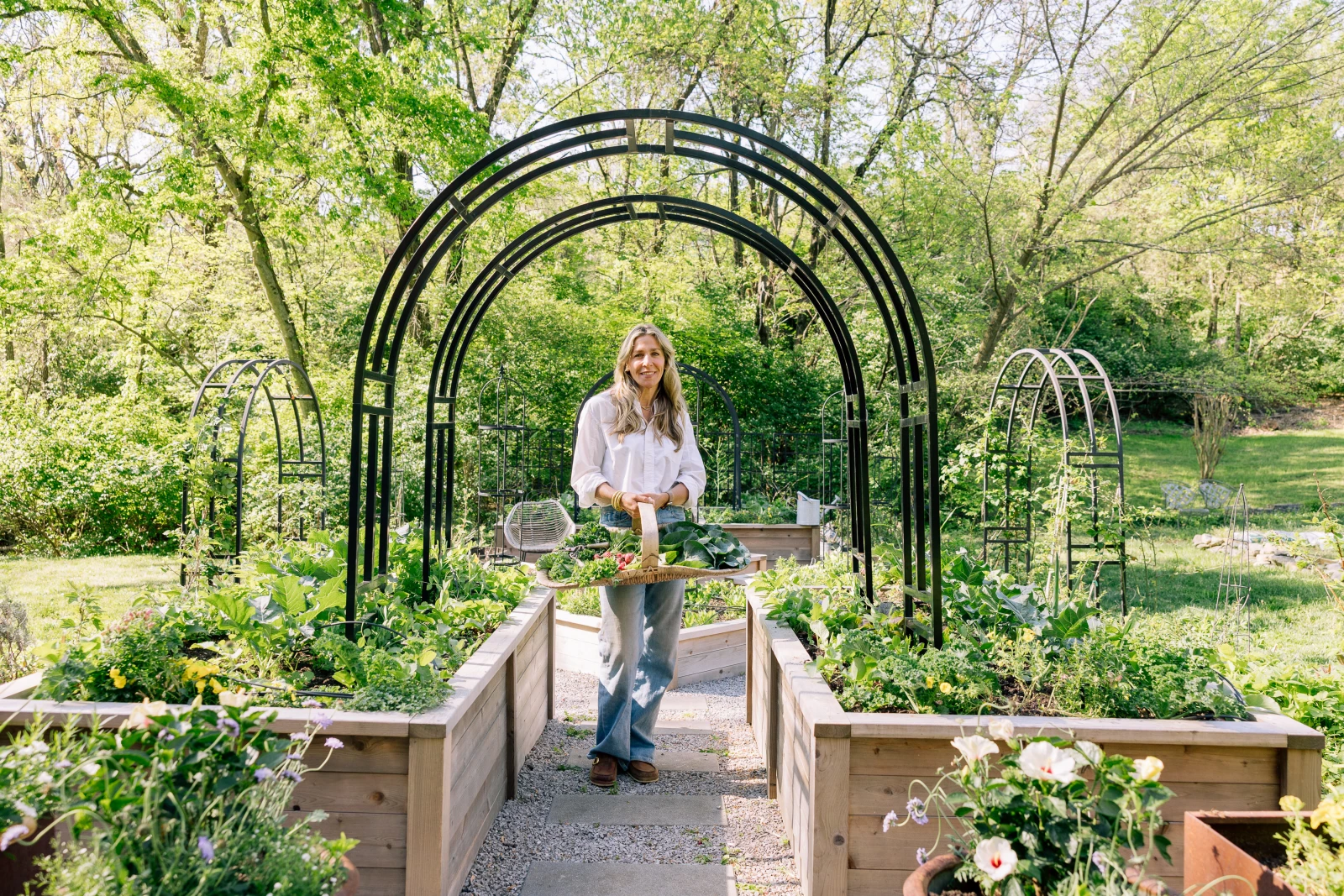
Nicole's Quick Take: A powder-coated steel trellis will outlast a wood trellis by a decade or more and hold significantly more weight without bowing, but a wood trellis can still be the right call for a single growing season or a tight budget.
At a Glance
- A powder-coated steel trellis typically lasts 15+ years outdoors, while an untreated wood trellis usually needs replacing within a few years.
- Metal trellises hold significantly more weight without bowing, which matters once cucumbers, pole beans, or indeterminate tomatoes are fully loaded in July.
- Wood trellises cost less upfront and can work well for temporary or one-season setups, but they need yearly maintenance to avoid rot and splitting.
By Nicole Johnsey Burke: Founder of Gardenary and Author of Kitchen Garden Revival
When I first started gardening, I supported my plants with bamboo and wooden stakes. It looked utilitarian at best, and only lasted a season or two. It didn't take long for it to look like the whole garden had just given up.
That's when I started paying more attention to garden support, and what a trellis is actually being asked to do: hold heavy, wet, wind-whipped vines for years, not weeks. I knew I needed better support, and I wanted something that would last.
I eventually chose a metal trellis, and it made a world of difference.
When metal and wood trellises go toe to toe, here's how they stack up.
Powder-Coated Steel Trellis | Wood Trellis | |
|---|---|---|
Average lifespan | 15+ years | 1 to 5 years, depending on treatment |
Weather resistance | Good: Resistant to humidity and rain | Moderate: Swells, warps, and dries with weather changes |
Load capacity for heavy vines | High; supports fully loaded pole beans, cucumbers, tomatoes | Limited; prone to bowing or joint failure under heavy vine weight |
Maintenance required | Minimal; occasional cleaning | Annual sealing or staining recommended |
Pest and rot resistance | Not susceptible to rot or wood-boring insects | Susceptible to rot, splitting, and insect damage over time |
Visual consistency over time | Holds finish and shape for the long term | Grays, warps, or splinters as it ages |
Best for | Long-term gardens, heavy vine crops, low-maintenance setups | Temporary beds, one-season projects, tight budgets |
Where to Buy | Best Sellers: Nicole Panel Trellis | Local garden centers or hardware stores |
Every Gardenary steel trellis, including the Nicole Panel Trellis, is built with powder-coated steel.

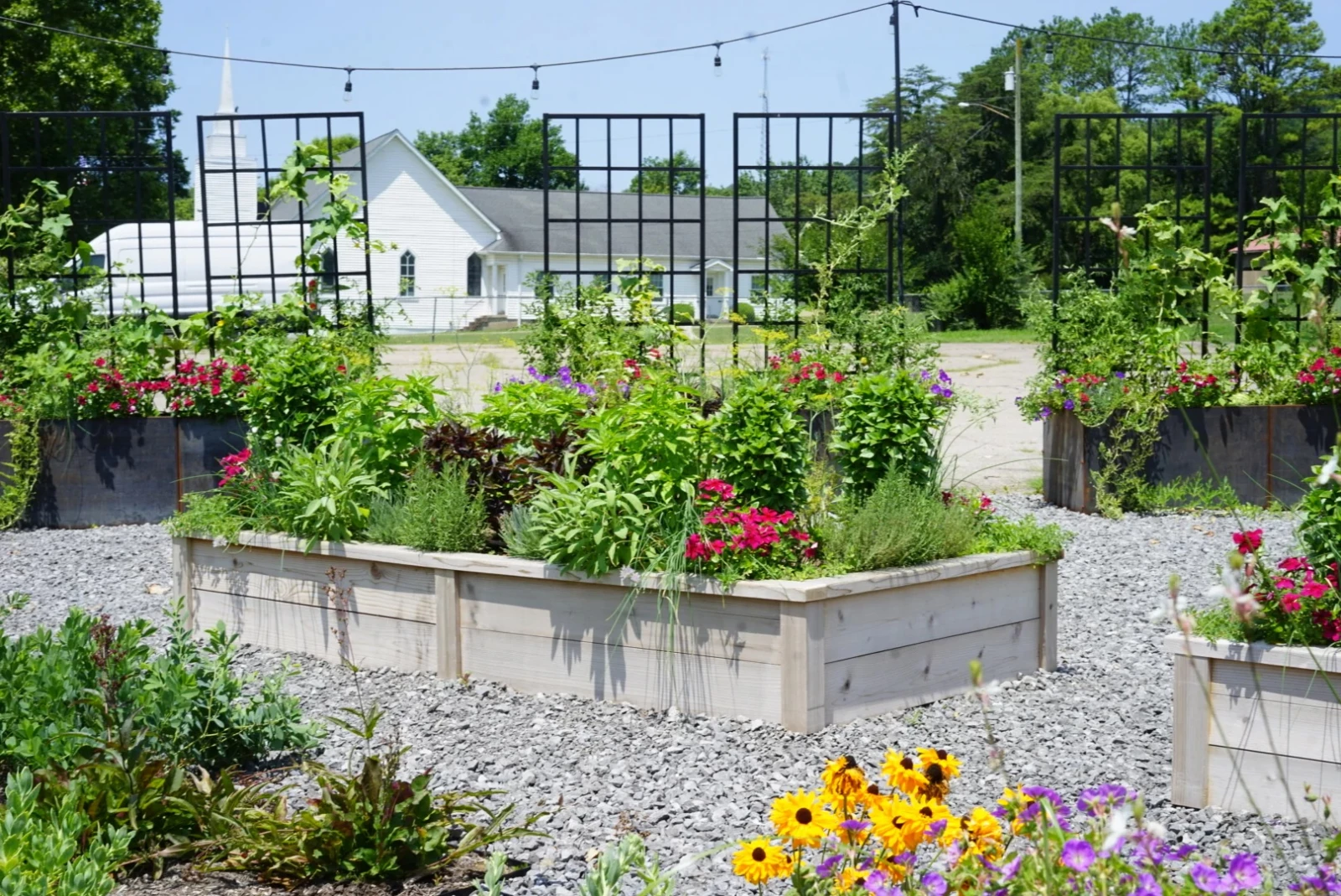
The Real Difference Between Metal and Wood Trellises
When deciding on a trellis material, consider what happens to it after six months of rain, sun, and fifteen pounds of squash vine leaning into it.
Wood absorbs moisture, swells, dries out, and shrinks again with every weather change. Over a few seasons, that constant movement is what loosens joints and causes splitting, no matter how nicely the trellis was built on day one.
Powder-coated steel doesn't absorb water, it doesn't expand and contract with humidity, and the powder coating creates a barrier against rust that a plain paint job can't match. That's the whole reason I moved my own gardens, and every garden I design for clients now, over to steel. It's also why every trellis Gardenary makes, from the panel styles to the arches, is built in powder-coated steel rather than wood.

What I Use in My Own Garden
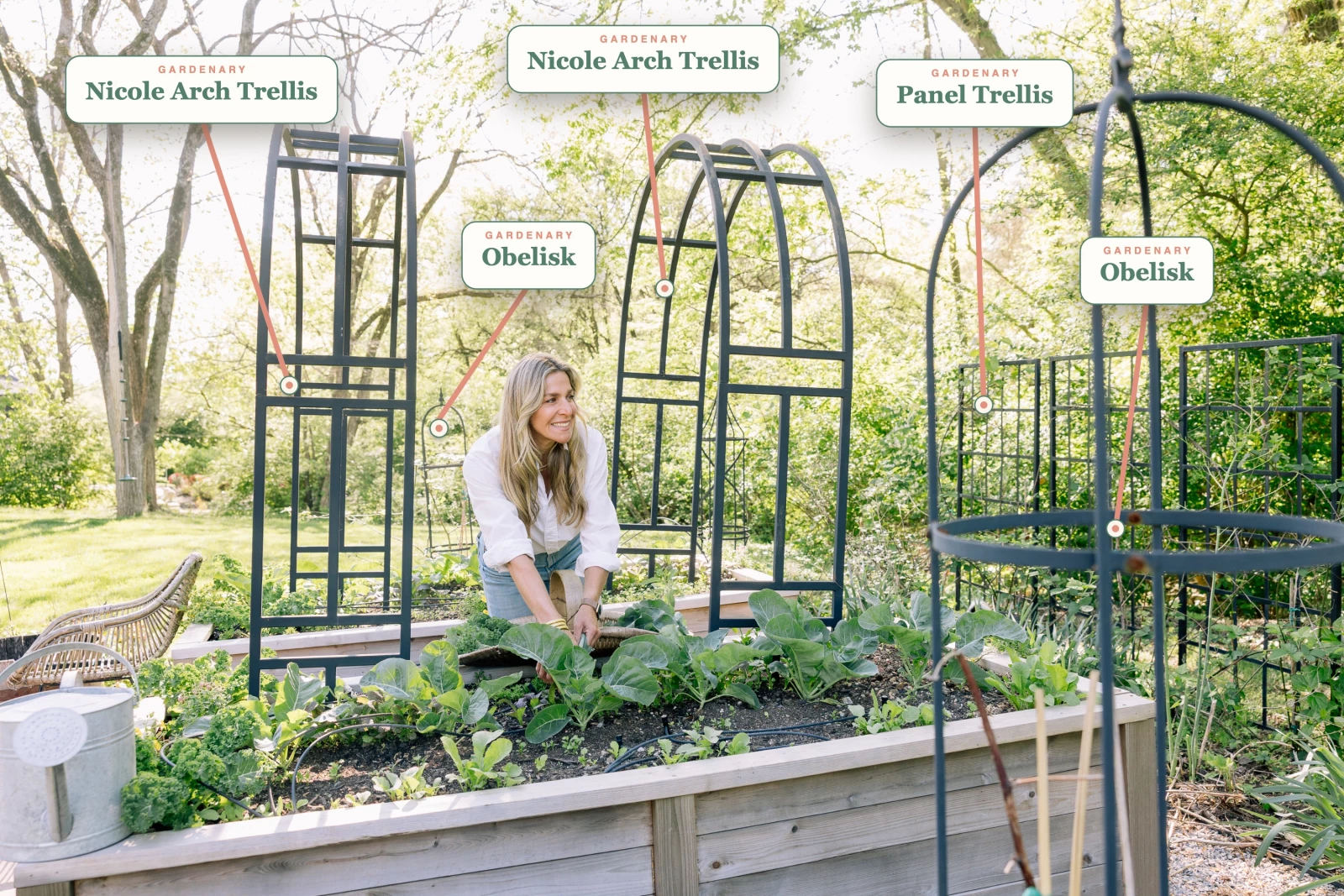
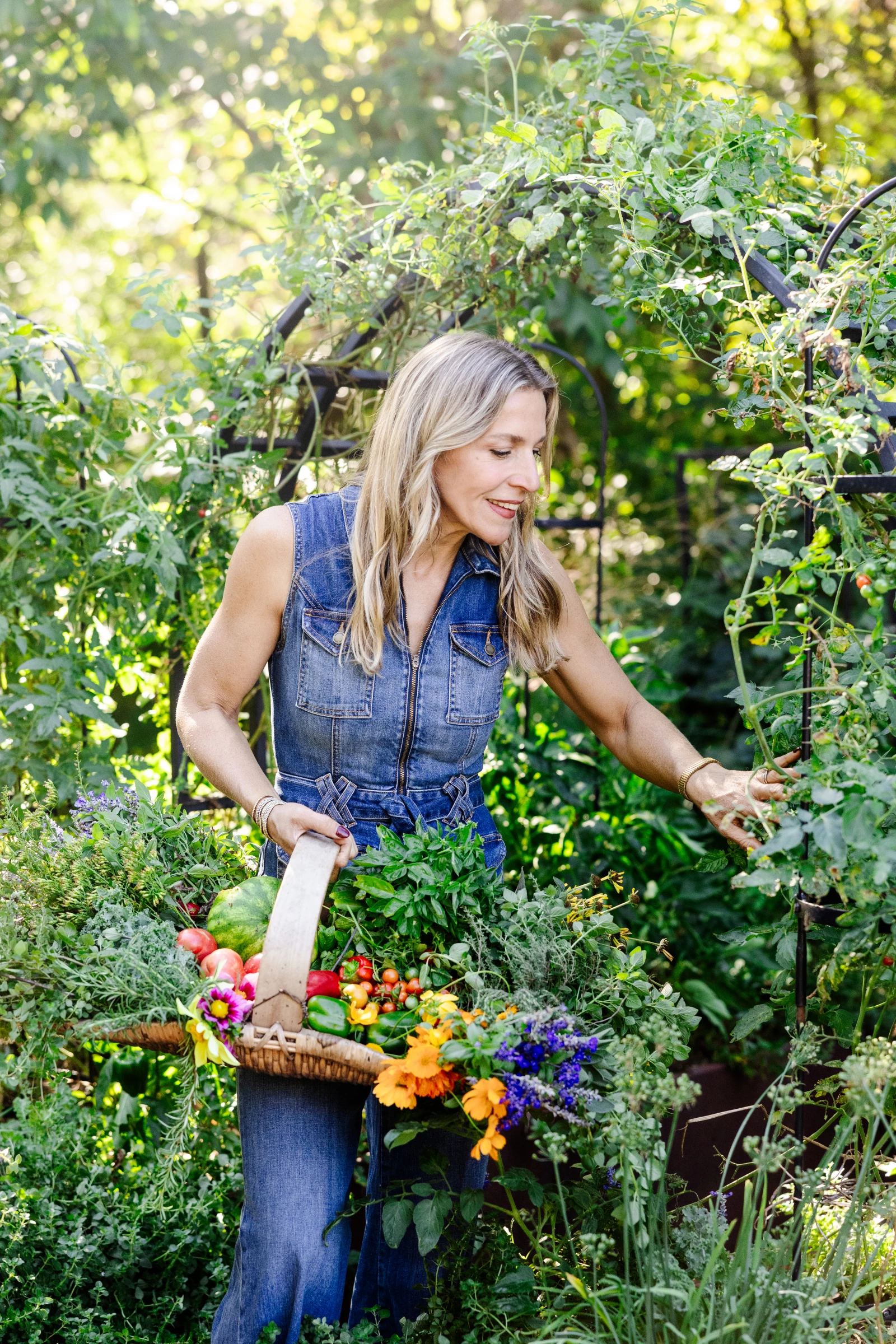
I don't use just one trellis in my own garden. If you've seen my raised beds on Instagram or YouTube, you've probably noticed I like some vertical variety in there.
My Trellises:
- Nicole Arch Trellis: the piece that gives my garden its whimsical, walk-through feel. It's the one people ask about most from photos.
- Nicole Panel Trellis: my go-to for flat vertical support along the back of a bed. It's powder-coated steel, holds its shape season after season, and carries the weight of a fully loaded cucumber or pole bean vine without bowing.
- Wide Pillar Obelisk Trellis: my pick for a single dramatic vertical point, especially for tomatoes or a climbing rose in the middle of a bed.
- Border Tuteur Trellis: smaller and more classic in shape, perfect for tucking into corners or lining a path.
If you want the beautiful, whimsical look of my own garden, this combination is genuinely how I get there.
All four are Gardenary steel trellises, so none of them need resealing, repainting, or replacing after a couple of seasons, the way a wood trellis would.
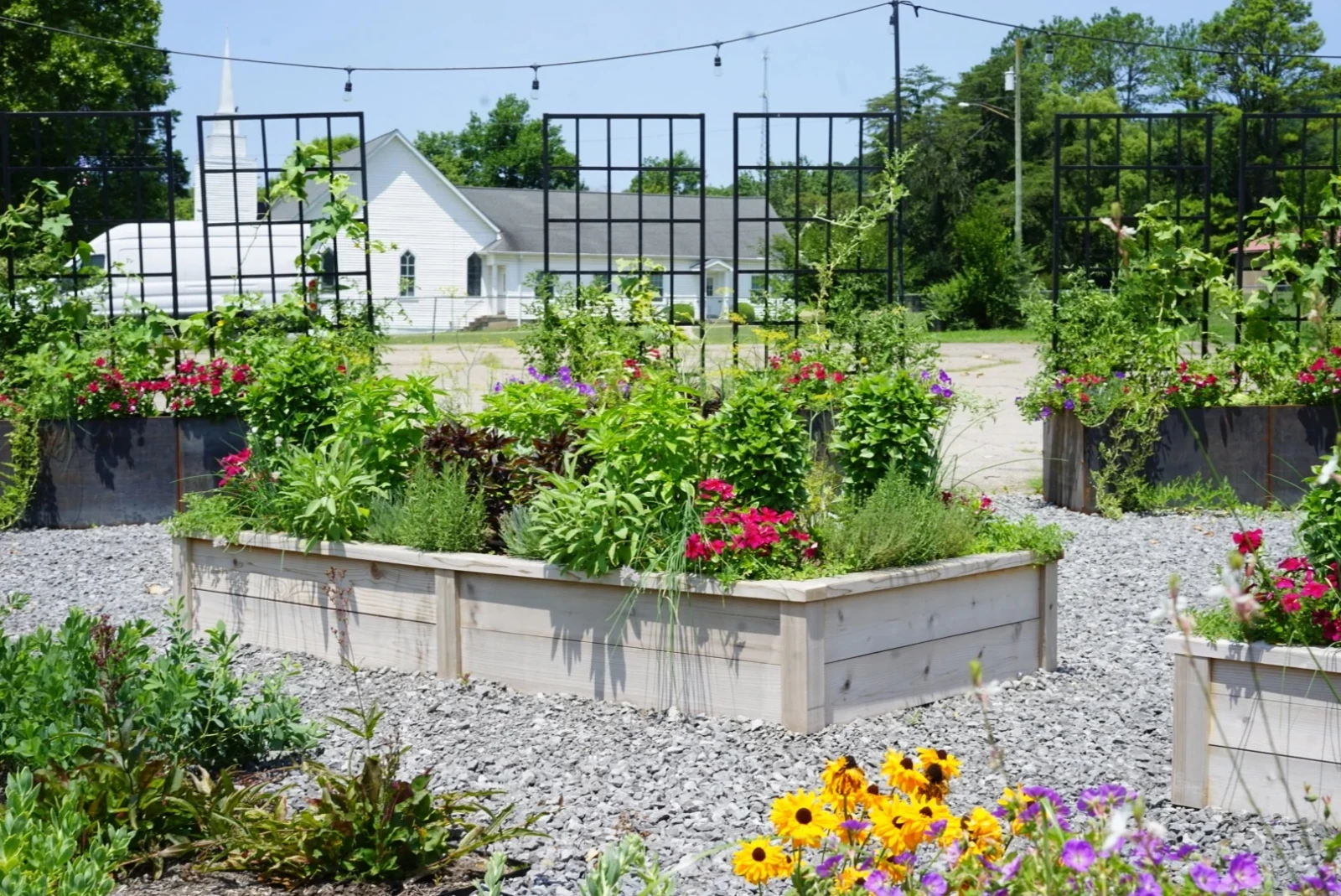
FINALLY BACK IN STOCK!
The Nicole Panel Trellis Is Back (But Not for Long)
The popular Nicole Panel Trellis is finally back, and a third of our inventory is already sold, so grab yours with free shipping while you can!
Add this tall, beautiful growing space to your raised beds with durable, powder-coated steel panels that will last for years.
How Long Each One Actually Lasts
I've gardened in Houston heat, Chicago winters, and Nashville's in-between climate, and I've watched trellises age in all three. The pattern is consistent.
Trellis Lifespans:
- Untreated wood trellis: 1 to 2 seasons before visible warping or rot, especially in humid climates
- Treated or sealed wood trellis: 3 to 5 years, assuming you reseal it annually
- Powder-coated steel trellis: 15 years or more, with no yearly maintenance required
That maintenance gap is the part people underestimate. A wood trellis isn't a one-time purchase. It's a yearly task you're signing up for, and if you skip a season of resealing, the clock on rot speeds up fast.

What Happens When Your Trellis Meets a Real Harvest
This is where the difference stops being theoretical. A trellis holding up a few pea vines in May is not the same job as a trellis holding fully loaded pole beans, cucumbers, or an indeterminate tomato plant in late July.
Wood trellises, especially the thinner lattice-style ones sold at most garden centers, were never engineered for heavy vine crops. I've seen them bow, crack at the joints, or pull loose from the bed entirely once the weight really sets in. Steel trellises are built to carry that load, as the comparison above shows.
Metal Trellises Are Best for:
- Cucumbers, which get heavy fast once fruit sets
- Pole beans, which grow dense and top-heavy by midsummer
- Indeterminate tomatoes, which need consistent support all season, not just in spring
- Malabar spinach, which is lighter but grows aggressively and needs a structure that won't loosen as it climbs

The One Mistake Most Gardeners Make With Wood Trellises
Nobody told me this when I started, so I'm telling you now: the mistake isn't choosing wood. It's choosing untreated wood and assuming a garden center trellis was engineered for what you're about to grow on it.
Most of the wood trellises sold as garden decor are built for looks, not load. They're often thin lattice or lightweight stakes, never rated for the weight of a producing vegetable garden. If you're going to use wood, look for cedar specifically, since it resists rot better than pine, and plan on resealing it every year without exception. Skipping that yearly step is where most wood trellises actually fail.
Grow up, not out! Get your free vertical growing guide.
This free 28-page ebook shows you how to grow tomatoes, cucumbers, peas, and more on vertical supports — so you get more food, better airflow, and a garden that actually looks beautiful. No extra square footage required.
When Wood Still Makes Sense
I'll give wood its due here, because not every situation calls for the steel option. If you're setting up a trellis for a single season, testing out a new bed layout before committing, or working with a very tight budget, a simple wood trellis can absolutely get you through a growing season.
Just go in with clear eyes about the tradeoff: lower cost now, more maintenance, and a shorter lifespan later.
FAQs About Metal vs Wood Trellises
Is a metal trellis better than a wood trellis for climbing vegetables?
For most kitchen gardens, yes. A powder-coated steel trellis holds more weight, resists weather damage, and lasts far longer than wood, especially for heavy vine crops like cucumbers, pole beans, and indeterminate tomatoes.
How long does a wood trellis usually last outside?
An untreated wood trellis typically lasts 1 to 2 seasons before signs of rot or warping appear. A well-sealed and maintained wood trellis can last 3 to 5 years with annual upkeep.
Will a metal trellis rust over time?
A powder-coated steel trellis is designed to resist rust and corrosion for many years, unlike bare or painted metal, which can rust once the surface coating wears down. Any hardware, such as screws, may rust over time. Look for trellises that connect without any hardware, such as the Nicole Arch Trellis.
What's the best trellis for heavy vines like squash or indeterminate tomatoes?
A powder-coated steel trellis is the better choice for heavy vine crops, since it's built to carry sustained weight without bowing or loosening at the joints. High-quality, durable trellises like the Nicole Panel Trellis or Nicole Arch Trellis are designed to hold the weight of larger crops.
Where can I buy a metal trellis that will last for years?
The Nicole Panel Trellis, one of Gardenary's most popular steel trellises, is built specifically for long-term kitchen gardens and is available at shop.gardenary.com.
What's the difference between powder-coated steel and regular metal trellises?
Powder coating is a durable finish baked onto the metal that resists rust, chipping, and fading far better than plain paint or untreated metal, which is why it holds up so much longer outdoors.
Keep Reading
How to Plant a Fall Garden in 5 Simple Steps
10 Reasons You Should Never Use Miracle-Gro in Your Garden
The Best Herbs to Grow in Shade

Are Your Radishes Ready to Harvest? Look for These 3 Signs
What to Plant in October: Vegetables for Every Climate