Nicole's Take: Before you buy any plant, ask how it was grown. Gorgeous, lush plants at the store are often fed synthetic fertilizers to look their best, and that one question can save you from bringing home something that won't survive without a chemical routine you're not equipped to keep up.
At a Glance
- Plants often die at home because they were grown with synthetic fertilizers or in growing conditions they can't sustain outside the store.
- Plant stores are built to sell products, not to educate customers on the specific care their plants need.
- Getting educated on plant care before buying is the single biggest factor in keeping new plants alive.
By Nicole Johnsey Burke: Founder of Gardenary and Author of Kitchen Garden Revival
How I Accidentally Kill Plants
I've emptied my wallet more than a couple of times at the plant store. Let me tell you a tale of two fiddle-leaf figs.
Fiddle-leaf fig #1, Houston: I fall for a gorgeous one at a big franchise store. On the drive home, I decide it needs "a healthy dose of sun" and plop it on our south-facing patio while I take the kids to the pool. I come back to scorched leaves. Turns out, direct Houston summer sun was the last thing this tropical plant needed.
Fiddle-leaf fig #2, Chicago: Years later, mid-Polar Vortex, I try again. This time I know better: bright indirect light, cozy and indoors. I drive it home with the heat blasting, bring it in, pot it up. Within 24 hours, every leaf drops or turns blackish purple. Zero-degree weather, even for a couple of minutes, was enough to kill it.
Two plants, two cities, both dead within a day of coming home.
Here's the thing: the plant stores did their job. They got healthy-looking plants from grower to customer, watered and safe, even tagged with light preferences.
(Prefer to listen? Check out episode 29 of the Grow Your Self podcast, "The Problem with the Plant Store", on Apple, Spotify, iHeartRadio, or Stitcher.)


Never Miss a Planting Date Again!
Have You Been Wondering: Why Do Plants Die When I Bring Them Home?
The problem is not you. It's the plant store. Let me tell you one more story to illustrate how.
My first spring in Chicago, scarred from my fiddle-leaf fig disasters, I researched local nurseries and found one with the most lush, vibrant herbs I'd ever seen. I filled my cart gleefully.
At checkout, I asked the employee, "What do you do to make these herbs so wonderful?"
She pointed up. "See those hoses on the greenhouse ceiling? Miracle-Gro. Every single day, from the minute they sprout."
I brought those herbs home but never ate from them. They'd been raised on synthetic fertilizers that create toxic gases, harmful to human health.
Lesson learned: always ask how a plant was grown before it goes in your cart.
Here's what's actually happening at a lot of stores:
- Plants are treated with fungicide and synthetic fertilizer to look irresistible
- Bring them home without that same chemical feed, and they stall or die
- Big box plants have also often traveled long distances, adding travel stress on top
Fed synthetic stuff. Stressed from travel. Sold by employees who can point you to a product but can't tell you if it's right for your space.
That's the real reason so many people think they have a black thumb. They buy, bring it home, watch it die, and blame themselves.


The Problem with the Plant Store
Plant stores are great at getting the product to customers, but they ultimately don't care if those customers know how to keep them alive, let alone care for them in a way that helps them thrive.
From my own experience killing my houseplants and from my market research for my garden consulting company, I've come to realize there's a serious issue with the plant store and the garden industry in general.
The garden industry is booming. In 2020, people spent $51 billion on gardening products in the US alone. The average household spends about $500 a year on gardening products.
What is that money being spent on?
That money is going to a broad range of nursery and garden products, including trees, shrubs, plants, seeds, bulbs, sod, farming supplies, animal feed, etc. The majority of it, however, is spent on plants and plant products like fertilizers and mulch. The largest two categories are annual plants and houseplants.
The issue here is all this money is being spent, but it's being spent, in general, the way I spent my money on my two fiddle-leaf figs. We drop $50 or $100 on a plant with this desire to surround ourselves with beautiful, thriving greenery, to return ourselves to nature. That's what we expect to get when we spend our money on plants.
But what we typically end up with instead is a dead plant because we bring these plants home and have no idea what to do with them—or we think we know what to do with them, and we're wrong. Even if we're not wrong, it's sometimes really hard to get it right thanks to the bad growing practices the plants have already been exposed to.
This is what I call "the problem with the plant store", but it's really the problem with the entire garden industry, which is currently upside down. It's focused on product, not on people.
The second time I bought a tropical houseplant, two clerks were involved in checking me out. Neither of them said, "Hey, be really careful with this plant. Actually, we should cover this plant before you bring it outside because it's 0 degrees."
They didn't say that because they didn't know that.
The focus of stores like that is not education for its employees or its customers. It's just product sales.
Start your dream garden. Watch the free class!


The First Time I Experienced the Way Plant Buying Should Be
There's a company I really respect called Urban Harvest in Houston, and they do a fruit tree sale every year in February. It's incredible. They partner with some of the great fruit tree growers in the city and then place volunteers in every spot where a new tree variety is available. By every fruit tree and bush you can buy, there's a sign that describes how the plant grows, what kind of production you should get, how to care for it, when to plant it, how to plant it, etc. If you still have questions, the person standing by can help you. I found them an invaluable resource on things I should consider before buying certain varieties.
I'd seen fruit trees for sale all over the city, but I had never shopped for a plant like this before. My first time walking through, I thought, "Wow, this is the way plants should be purchased."
This company didn't just rely on their plants being pretty to attract customers. They set you up for success by first making sure it's the right plant for you and then educating you on how to care for the plant you're buying.
My dream is for the entire garden industry to become more like this. In fact, one of the reasons I founded Gardenary was to bridge this gap between products and plant education.


The Gardenary Vision for How to Have Plants Without Killing Plants
When I started Rooted Garden in Houston, my main focus was designing and installing beautiful kitchen garden spaces.
It didn't take long for the questions to start rolling in from my clients:
- What do I do now?
- What happened to this plant? Why are its leaves wilting?
- What kind of pest is this?
- How do I harvest this?
- Are these plants too crowded?
- Should I prune this?
I realized that even though we'd given them a great setup, there was still that necessary element of education. Without it, success is just not possible.
It was then that I decided to start Gardenary, an online platform 100 percent committed to garden education (not so much houseplants yet, but maybe one day!). Gardenary is intended to be a sister company to kitchen garden design and installation companies like Rooted Garden and all the others out there, a way to focus on the people growing these plants instead of just the products.
My vision for Gardenary is to help make gardening ordinary. So ordinary that the average person is familiar with the general theories of gardening and has the skills to care for the plants they purchase.
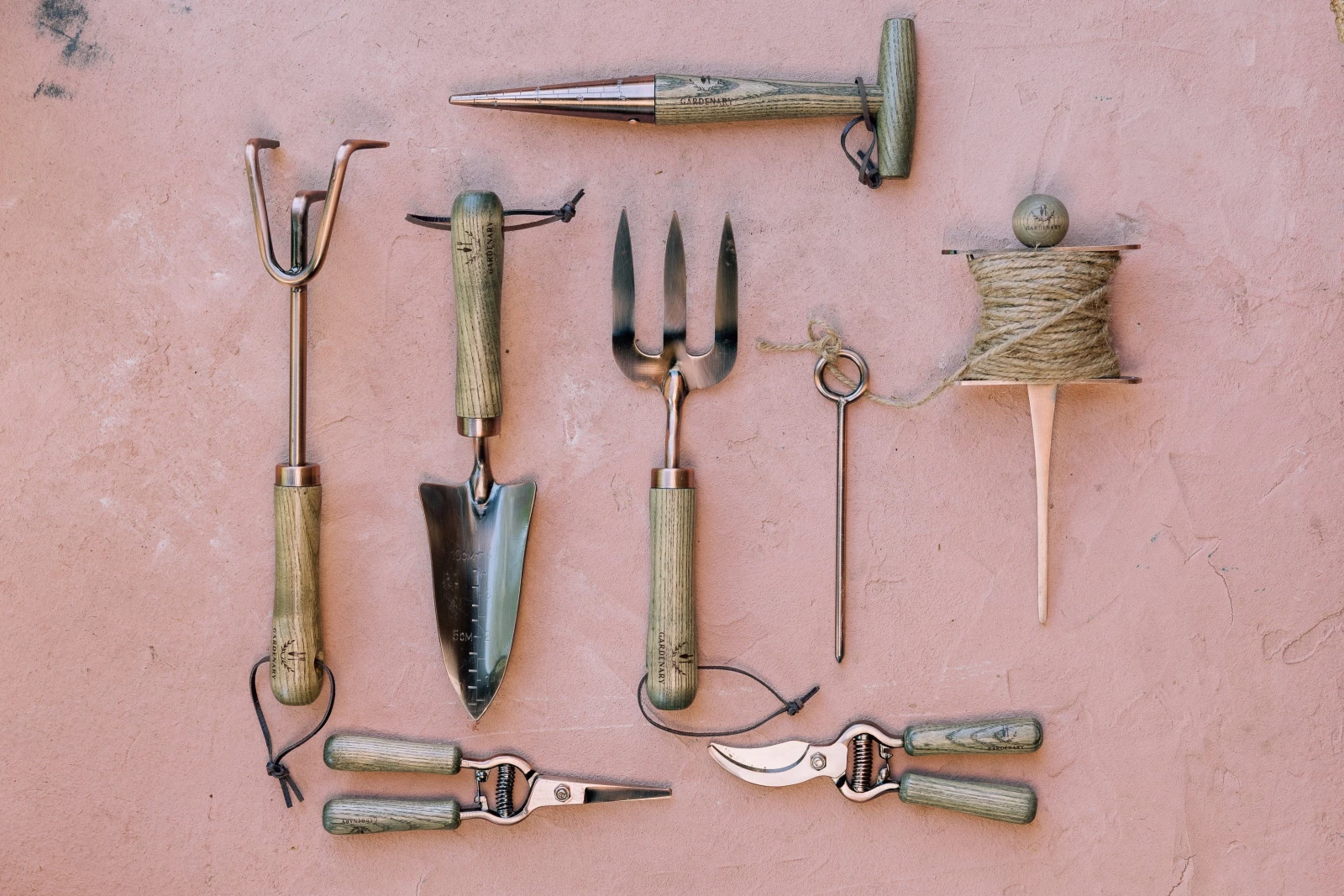
7 Tools, Beautifully Designed
The tool set gardeners actually want, made from carbon steel with an ash wood handle and a warm copper finish.
- Bypass pruner for clean, precise harvest cuts
- Needlenose pruner for detail work in tight spaces
- Transplanting shovel for seedlings and planting holes
- Dibber for perfectly spaced seed sowing
- Cultivator for loosening soil and clearing debris
- Hand fork for weeding and working around established plants
- Row marker & planting line for straight, intentional rows
All in a gift box, ready to use.


Gardening Education Should Be Location-Specific
As I grew Gardenary, I started getting tons of questions from people all over the country. I quickly realized that questions for the garden aren't just plant specific, they're also location specific.
Think back to the fruit tree sale I went to in Houston. The answers to the questions I was asking about plant care would be quite different if that sale were up in Chicago. There would need to be a different set of volunteers who knew about growing fruit trees in a colder climate. Things that grow certain ways in Houston are going to grow a totally different way, if at all, in Chicago, and vice versa.
Vegetable gardening knowledge is local. What works in Houston won't work in Chicago, Nashville, or LA. I realized early on I couldn't answer everyone's questions, and I shouldn't try to.
I learned this moving to Chicago, rushing to set up my garden before my first book photoshoot. I didn't know much about growing through a cold Chicago spring, and I wished I'd had someone local to ask.
Big plant stores sell the same generic plants nationwide, whether you're in Houston heat or Chicago winter. That's not serving gardeners.
So I asked: can we flip this? Garden education should be local. The best resource is someone who knows what grows in your climate, and when.


Let's Refocus on Education in the Garden
You don't have to consider yourself a killer of plants. It's not your fault. You're just trying to buy a fiddle-leaf fig for your office, to spend your small piece of the $51 billion-pie, but meanwhile, there's so much going on behind the scenes at the plant store and garden industry that don't set you up for success.
You don't have all the information, so you're doomed to fail. You don't know how a plant was bred or what it needs because there's no one there to educate you. You bring it home, and the plant dies or fails to thrive or immediately gets a disease. Sure, not all plants from the store end up that way, but a large percentage of the $51 billion do.
And it's all because the industry is upside down, because it's product-focused and not education-focused. Had I not paused to ask that woman how her nursery's herbs were grown, I never would have known. I would have brought those plants home and thought it was my fault that they were dying because they weren't getting their Miracle-Gro fix.
The point of this is not to turn you off plants. Keep all your excitement about houseplants or vegetable gardening. The point is to encourage you to turn your attention more toward education before you buy. Buying yoga pants doesn't make you a yogi, you know? Buying a plant doesn't mean you're equipped to keep that plant alive. Take some time to read up on the plants you want to buy so you don't waste your money when you have to throw them in the trash.
I know that doing your homework first takes some fun out of retail therapy, but you'll be thankful for your due diligence when you're surrounded by happy, thriving plants.


Keep Reading
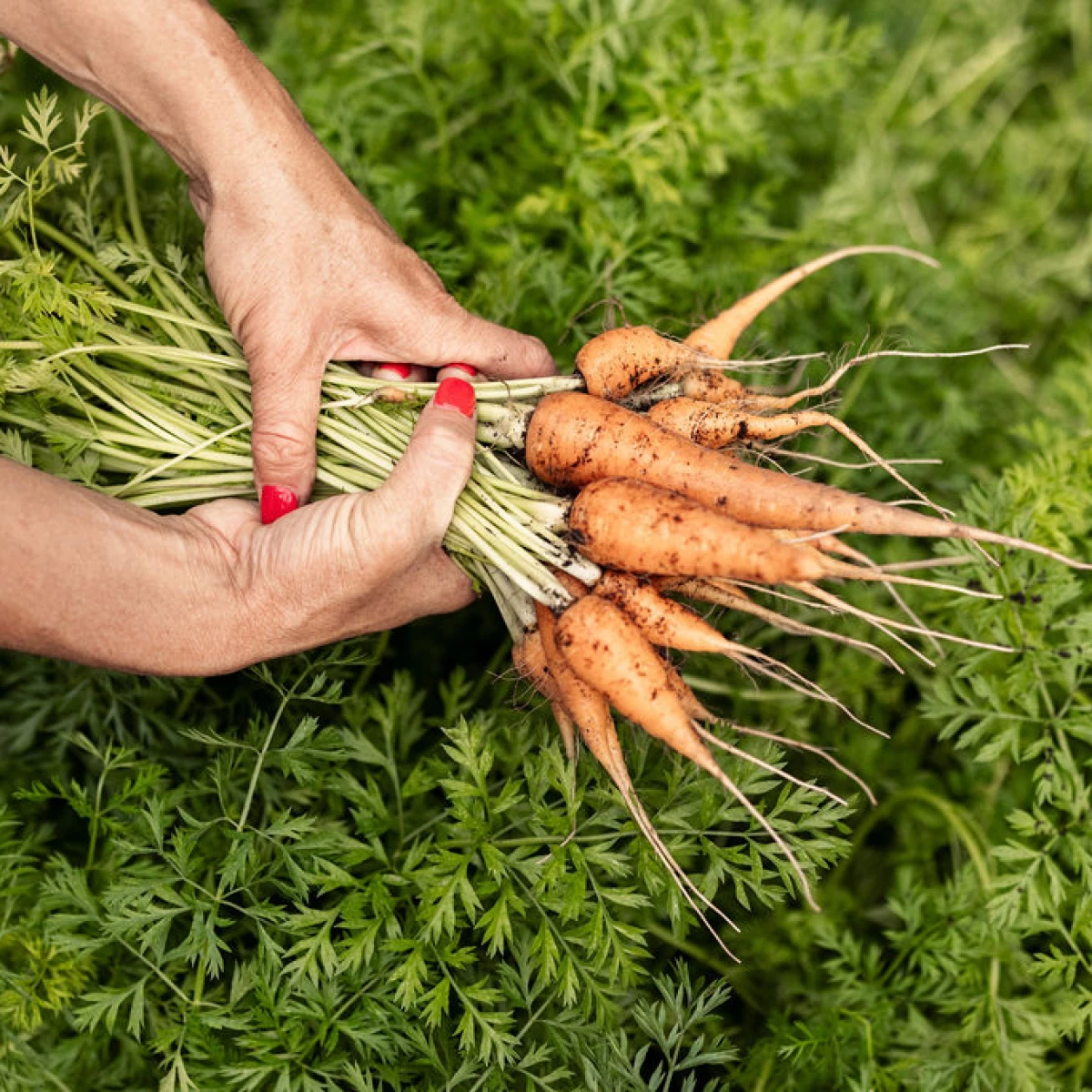
3 Signs Your Carrots Are Ready to Be Harvested from the Garden
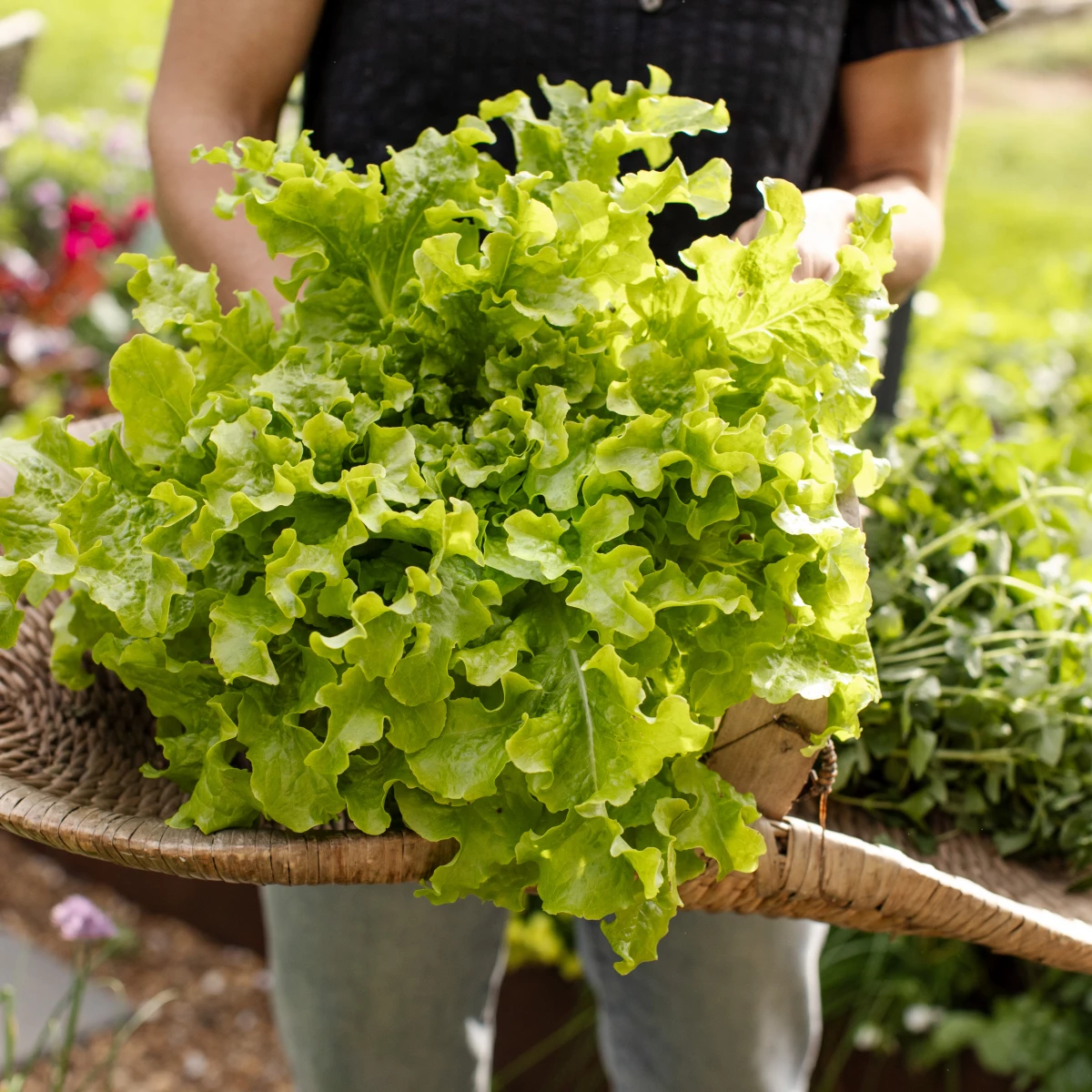
Best Types of Lettuce to Grow in Your Garden
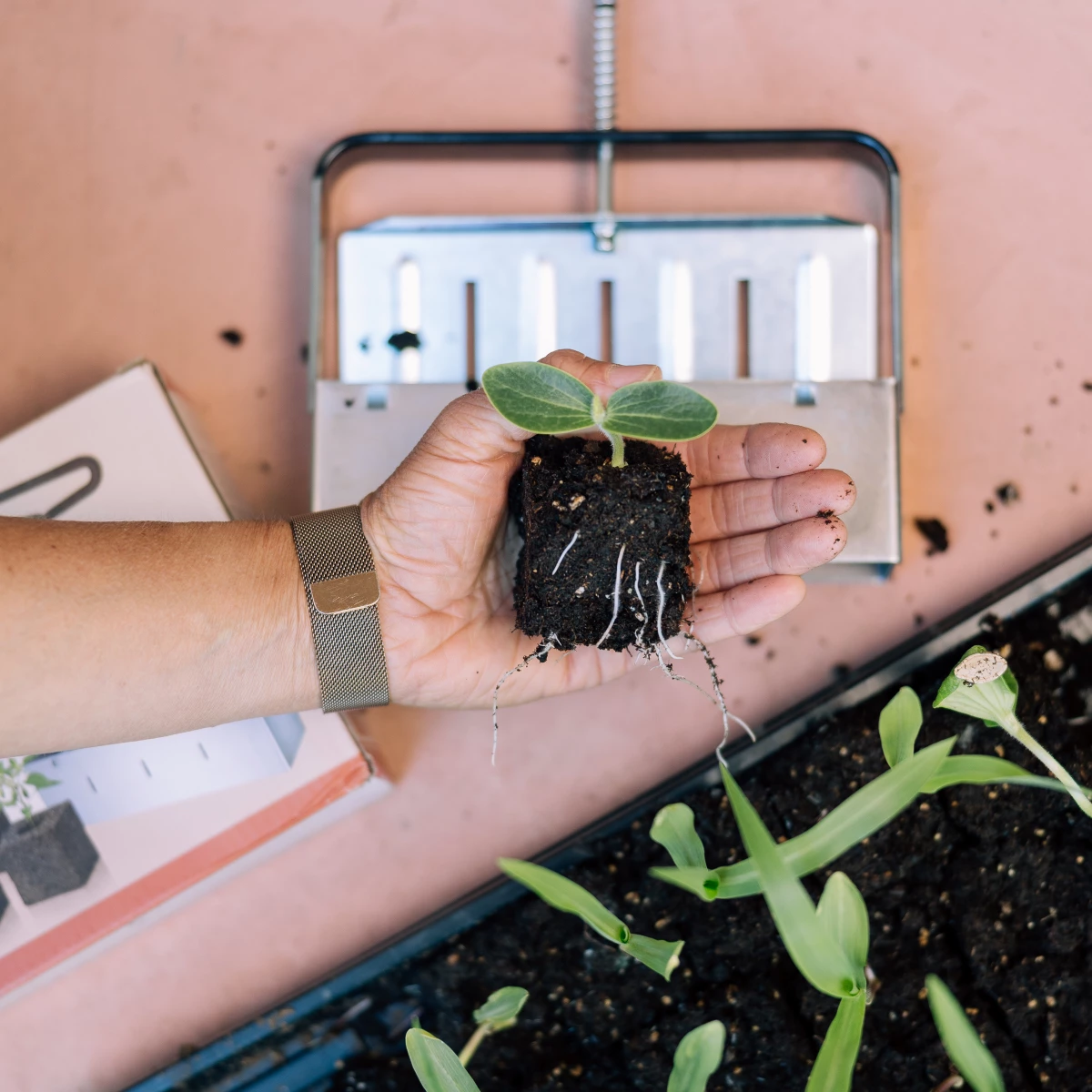
The Best Soil Blocker for Seed Starting and How to Use It
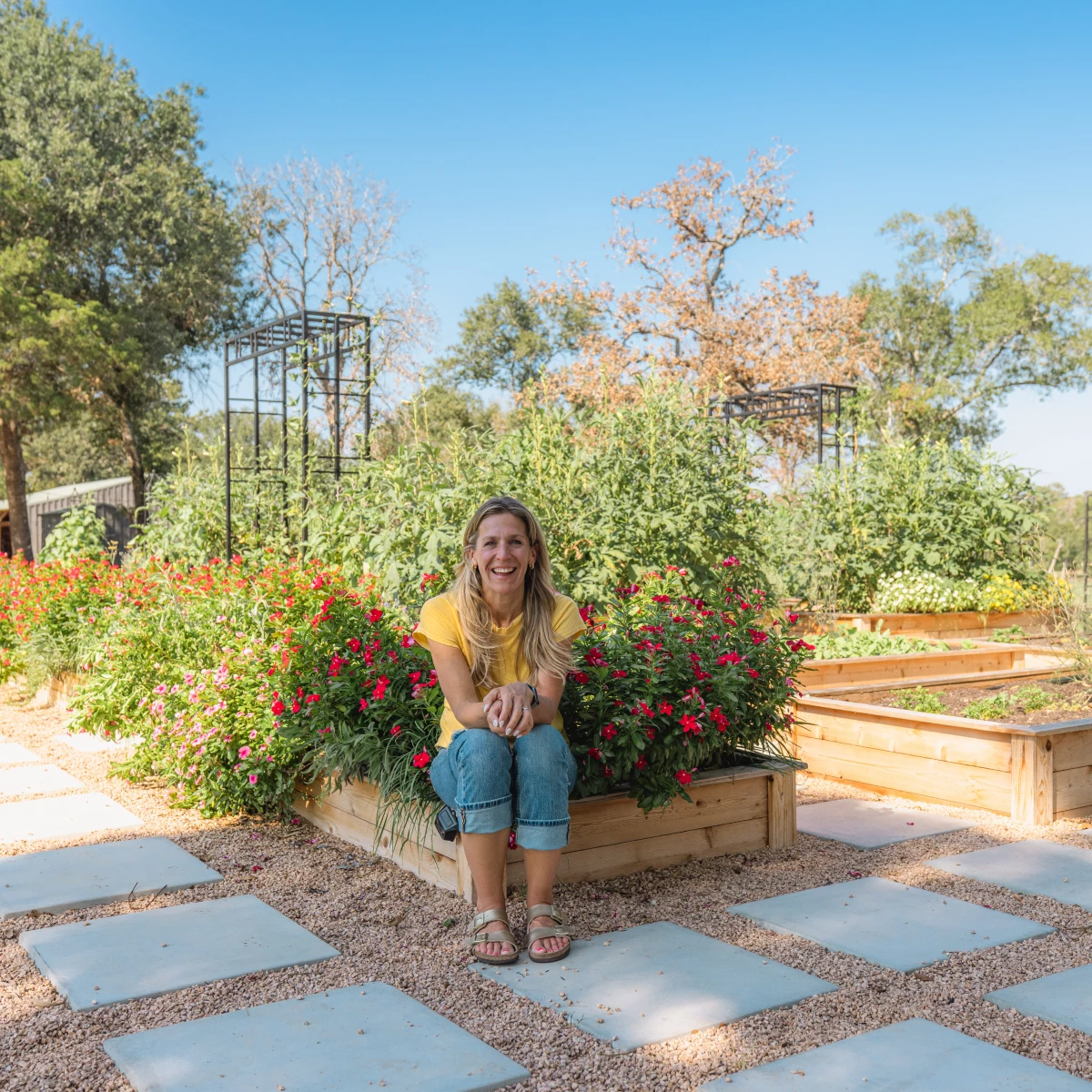
How Much Can You Make as a Garden Consultant?
Keep Squirrels and Birds Out of Your Tomatoes (Give Them This Instead!)