At a Glance
- A neglected garden spirals fast: wilted plants, weed takeover, and pest infestations can undo weeks of careful growing.
- Most neglected gardens are fully salvageable — you only need to start over if nearly everything has died.
- Ten minutes a day is genuinely enough to keep a kitchen garden healthy and productive.
By Nicole Johnsey Burke: Founder of Gardenary and Author of Kitchen Garden Revival
Life Got Busy. Your Garden Noticed.
I've walked into a lot of gardens over the years — client gardens in Houston that got away from them over summer vacation, my own Nashville raised beds after a particularly chaotic week.
The scene is always the same: wilted plants that were thriving just days before, weeds that seemed to appear overnight, and the quiet, sinking feeling of a wasted investment.
Here's what I want you to know before we go any further: most neglected gardens are not a lost cause. But neglect does move fast. Understanding what happens — and when — is the best motivation to stay consistent.
What Actually Happens When You Neglect Your Garden
Think of your garden as a living system. Every part of it is interdependent — water, soil, plants, pests, and beneficial insects all rely on each other staying in balance. When you step away, that balance tips. Here's how it unfolds.
1. Plants Wilt and Weaken
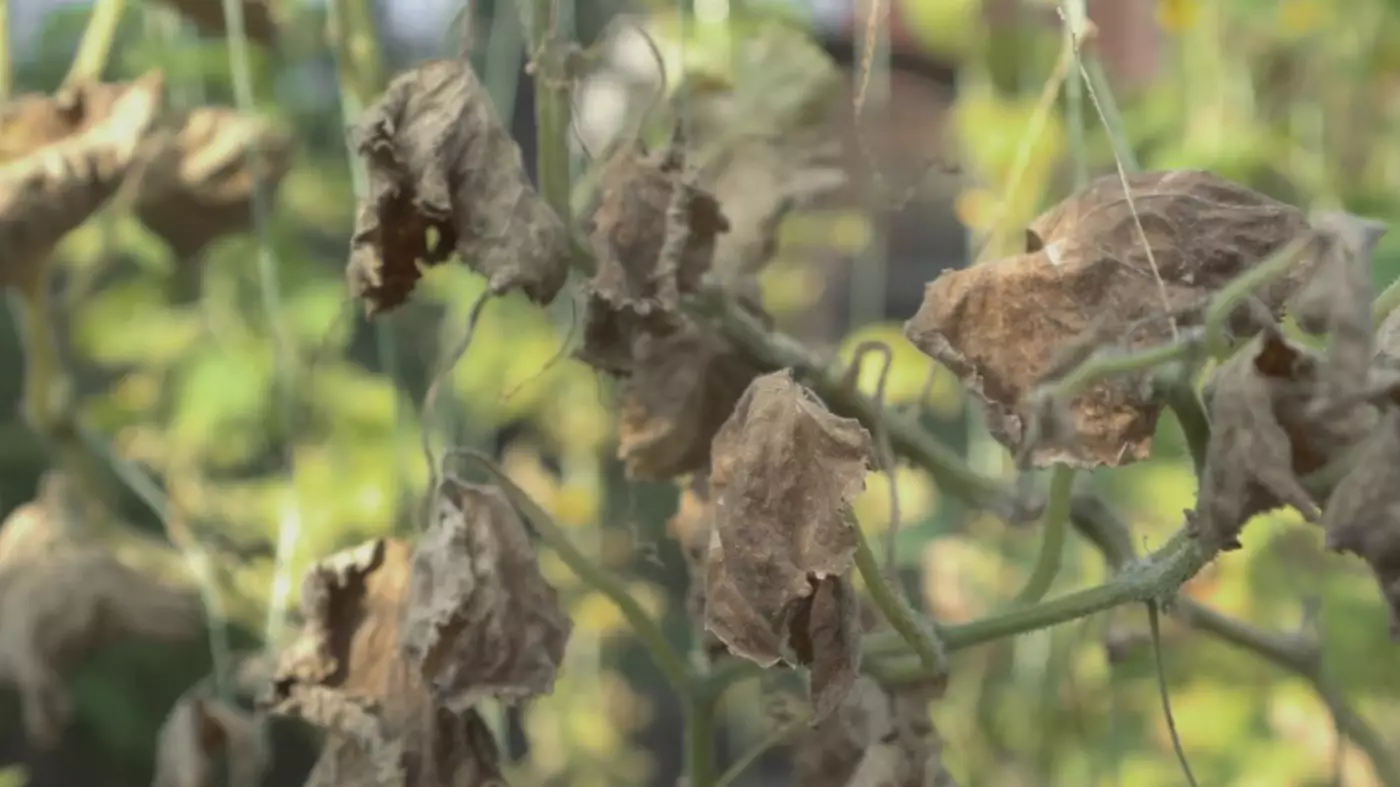
The first thing to go is water. Without consistent moisture, plants stress quickly — especially in summer heat. Leaves wilt, then crisp. Flowers drop before they fruit. Root systems that worked hard to establish themselves start to struggle. What was a healthy, productive plant a week ago can look genuinely sad in just a few days without water.
2. Weeds Move In
Bare soil is an open invitation. Weeds germinate fast, and once they have a head start on your vegetables, they compete aggressively for nutrients, water, and light. A few days of neglect can mean a few dozen weeds. A few weeks can mean a jungle.
This is one of the reasons I tell every gardener: no bare soil. Ever. Mulch between your plants. It slows weed germination dramatically and holds moisture in — which buys you time when life gets unpredictable.
3. Pest Problems Spiral
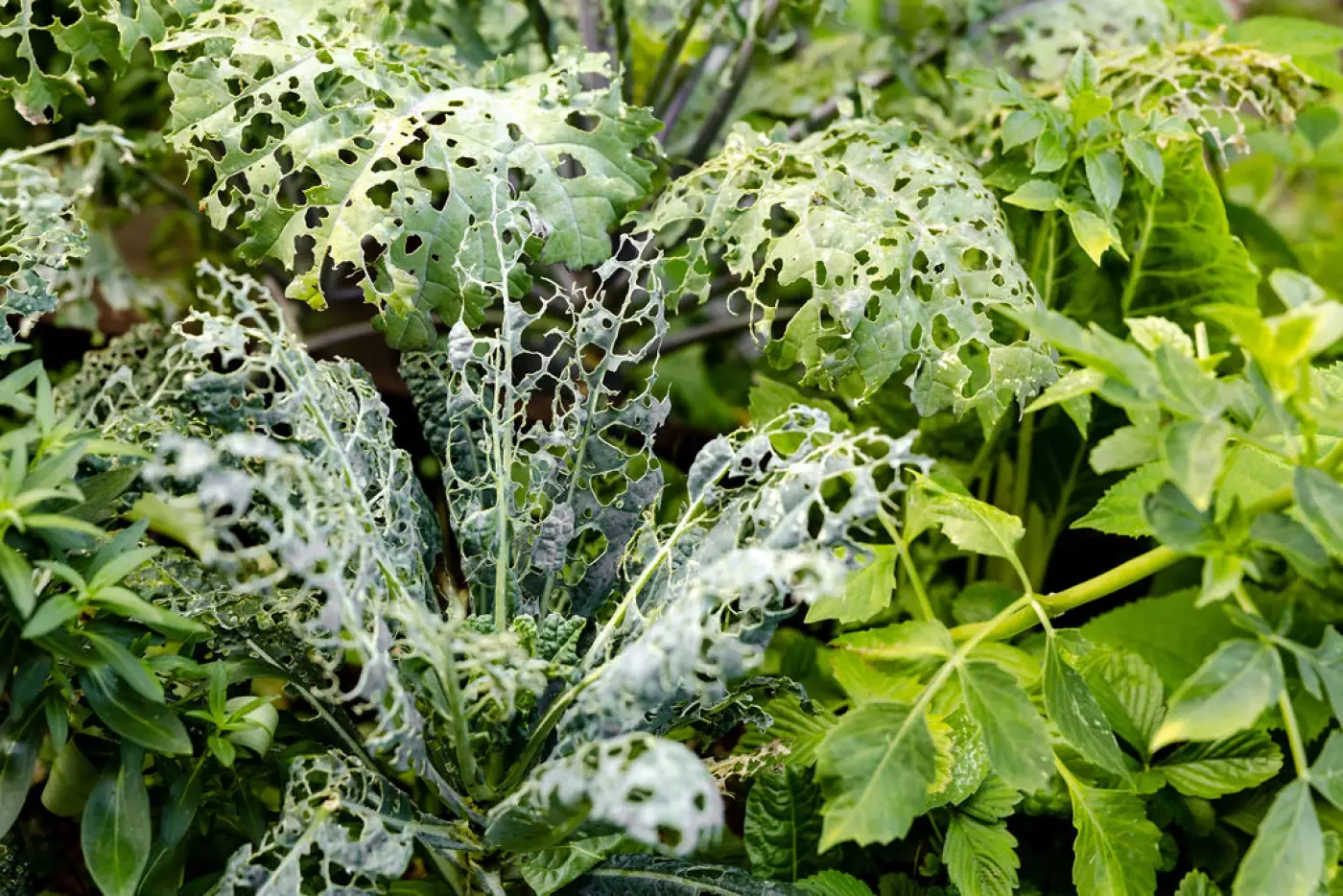
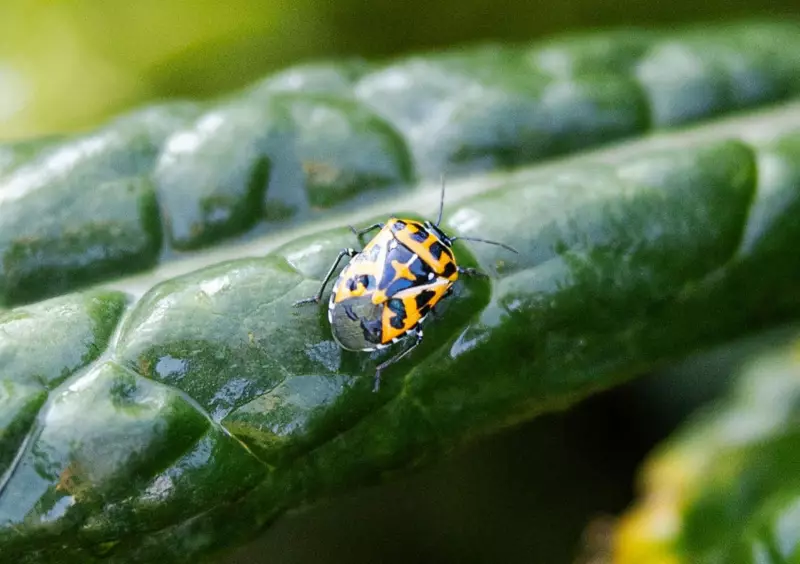
Pests are opportunists. A healthy, well-monitored garden keeps populations manageable. A neglected garden gives aphids, caterpillars, squash bugs, and beetles the time and space to multiply unchecked. By the time you come back, what would have been a small, easy-to-address problem is now a full infestation. This is the consequence I see most often after vacations — plants that were completely fine before departure look devastated two weeks later.
4. Harvests Get Missed — and It Costs You
This one stings. Overripe vegetables left on the vine signal to the plant that its job is done — seed production is complete. The plant slows or stops producing new fruit. Missed harvests mean fewer vegetables, and in some cases, a plant that has essentially checked out for the season. Regular harvesting is one of the most important things you can do to keep production high.
5. The Whole Investment Stalls
You spent real money on quality soil, a good raised bed, and starts or seeds. You put in the effort to set it all up correctly. Neglect doesn't just affect the plants — it stalls the return on everything you invested. That's the part that frustrates my students most when they come back to me after a stretch of neglect. It's not just the plants. It's the wasted potential.

Stop Spraying. Start Gardening Smarter.
No harsh sprays. No endless guessing. Just a thriving, abundant garden that practically protects itself. With the Organic Pest Control Method, you’ll learn the exact steps to grow naturally and confidently, season after season.
Is Your Neglected Garden Salvageable?
Almost certainly yes — and I mean that.
In my experience, you only truly need to start over when nearly everything is dead. That bar is higher than most people think. Even a garden that looks rough — leggy, weedy, a little overrun — can usually be brought back with a few focused sessions of attention.
The fastest path back:
- Water first. Get moisture back to stressed plants immediately.
- Harvest anything that's ready — even if it's past peak, get it off the plant.
- Pull the worst weeds — focus on anything that has gone to seed first.
- Check for pests and address them before populations grow further.
- Assess honestly. Any plant that is completely dead or diseased beyond recovery should come out to make room for what's still alive.
One bad week does not mean a failed garden. Pick up where you left off.
Need Reminders? Our garden planners will keep you on track all year long.

Planners That Guide You All Season Long
Whether your summer runs warm or blazing hot, these two planners give you a complete, month-by-month system for growing confidently from late spring all the way through fall.
The Honest Time Commitment: 5 to 10 Minutes Daily
Here's something the gardening world doesn't say loudly enough: a kitchen garden does not require hours of your week. Five to ten minutes a day is genuinely enough to keep most gardens healthy. That's a quick walk-through — watering, harvest what's ready, pull a weed or two, glance at your plants for anything unusual.
If you have more time, wonderful. But ten minutes of consistent attention beats one marathon session followed by two weeks of nothing.
If your schedule is genuinely unpredictable — frequent travel, demanding seasons at work — consider building in a little infrastructure that works when you can't. A drip irrigation system is the single most effective thing I've seen prevent vacation neglect. It waters your garden on a schedule whether you're home or not. Olla pots are another beautiful, low-tech option — buried clay vessels that slowly release moisture directly to plant roots.
And when you do come home to a garden that got away from you? Don't spend a single minute feeling bad about it. Every gardener has been there. Just get back outside.
Nurture a year-round gardening habit with just 5 minutes a day.
- Quick, actionable tasks: minimal methods to keep your garden thriving
- Seasonal gardening plans: detailed schedules broken down into days, weeks, and months
- Habit-building techniques: proven ways to integrate gardening into your daily routine
Common Neglect Mistakes to Avoid
- Doing nothing because the problem feels overwhelming — start with water and one small task
- Pulling everything out prematurely — give stressed plants a chance to recover first
- Skipping the pest check when coming back after time away — catch infestations early
- Overwatering to compensate after drought stress — steady and consistent beats a flood
- Waiting for a perfect block of time — ten minutes today is worth more than two hours next weekend
FAQ: Garden Neglect
What happens if I don't water my garden for a week?
Most vegetables will show significant stress within three to five days without water, especially in warm weather. Leaves will wilt and may begin to dry out. Most plants can recover with prompt watering, but fruit production may slow while the plant recovers.
How long can a raised bed garden go without attention?
With proper mulching and a drip irrigation system in place, a raised bed can go one to two weeks without hands-on attention. Without irrigation, most gardens show significant stress within three to five days in summer.
Will weeds take over my garden if I skip a week?
Weeds can establish quickly, especially in warm, moist soil. A week of neglect can produce a noticeable weed problem. Consistent mulching between plants dramatically slows germination and buys you time.
What pests are most likely to appear in a neglected garden?
Aphids, caterpillars, squash bugs, and flea beetles are among the fastest to multiply when garden monitoring drops off. Early detection is the most effective form of pest management — check the undersides of leaves when you return.
Do I need to start my garden over if I've neglected it?
Only if the majority of plants are completely dead. Most neglected gardens — even those that look rough — are salvageable with focused attention. Water, harvest, weed, and assess before pulling anything out.
What's the best way to prevent garden neglect when traveling?
A drip irrigation system on a timer is the most reliable solution. Olla pots — buried clay vessels that release water slowly to plant roots — are a beautiful low-tech alternative. Mulching heavily before you leave also helps conserve moisture and slow weeds.
Where can I find tools that make garden maintenance faster and easier?
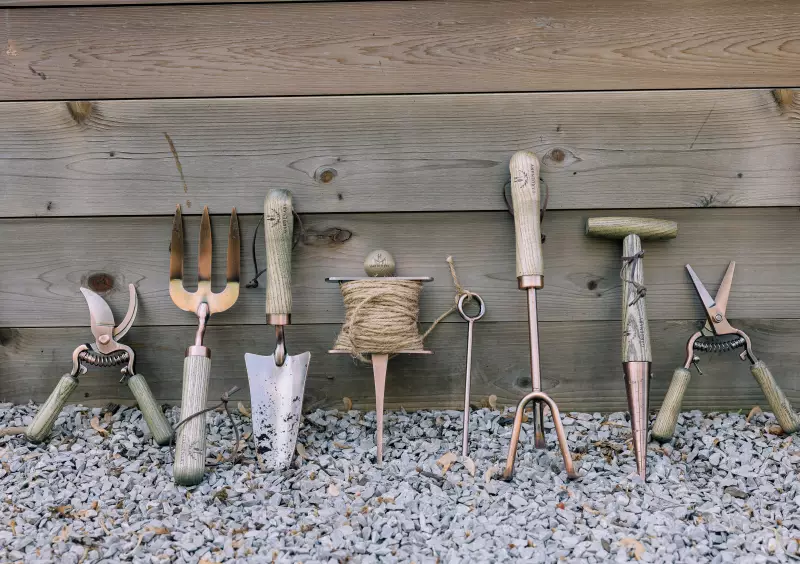
Gardenary's garden tool kit includes everything you need for efficient daily garden care — the right tools make those ten-minute sessions feel effortless. Browse the full collection at shop.gardenary.com.
7-Piece Copper Plated Garden Tool Set
Tend your garden like a pro with our all-in-one tool package, thoughtfully curated for every kind of gardener. This essential set equips you with high-quality, durable tools to dig, plant, prune, and grow—season after season.