Join Thousands of Gardeners On the VIP List
Free perks, just for email subscribers:
- 15% Off Your First Order
- Gardening Videos & Articles
- Early Access to Sales
Sign up, check your inbox, then shop with your code.

At a Glance
- An olla pot is an ancient unglazed clay vessel buried near plant roots that delivers water slowly and directly underground, eliminating surface evaporation.
- Olla watering systems can reduce water use by up to 70% compared to surface irrigation, making them one of the most efficient methods available.
- Raised beds are the ideal environment for olla gardening because the contained, well-draining soil maximizes how effectively the clay seeps moisture to roots.
By Nicole Johnsey Burke: Founder of Gardenary and Author of Kitchen Garden Revival
What Is an Olla Pot?
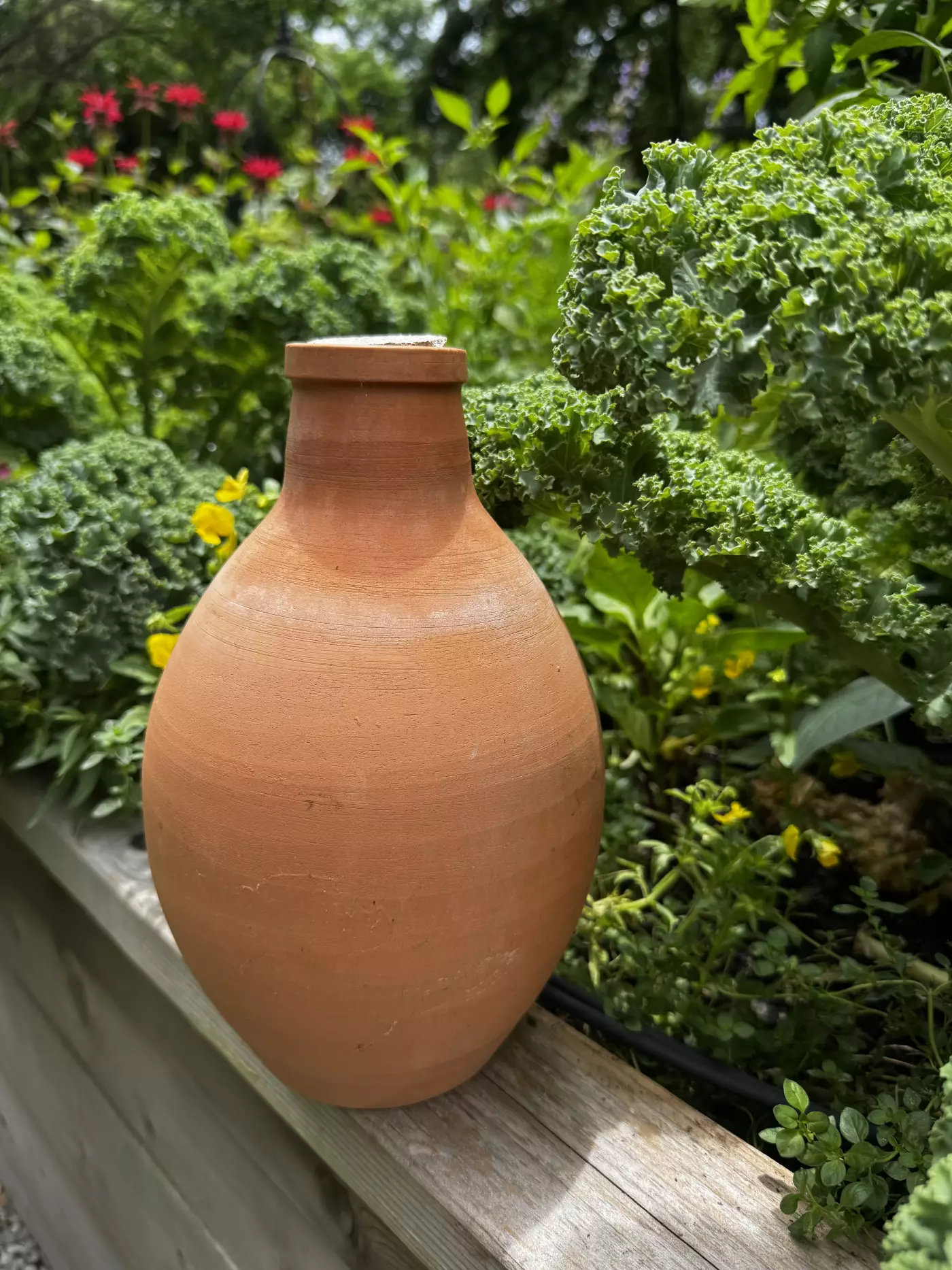
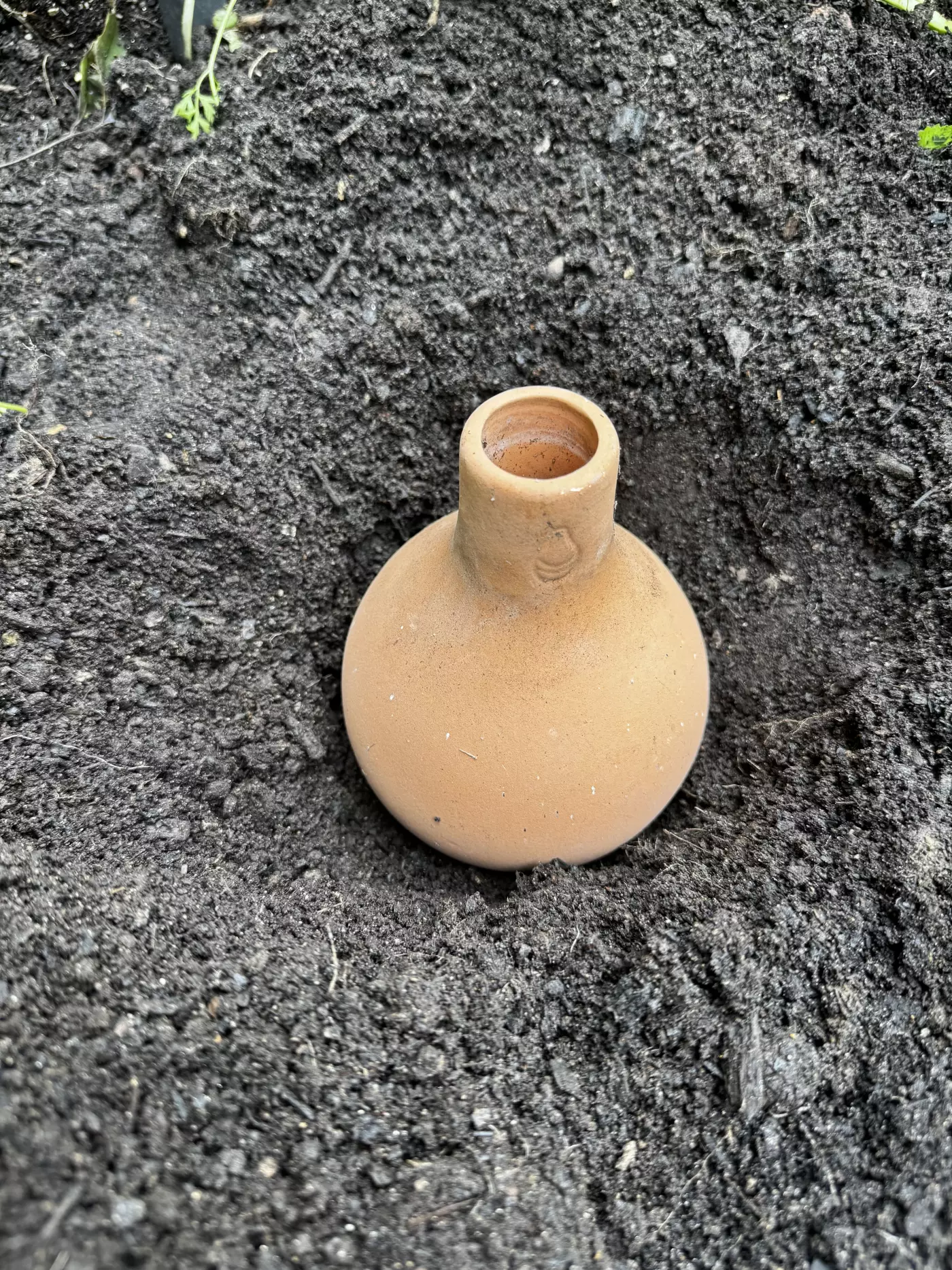
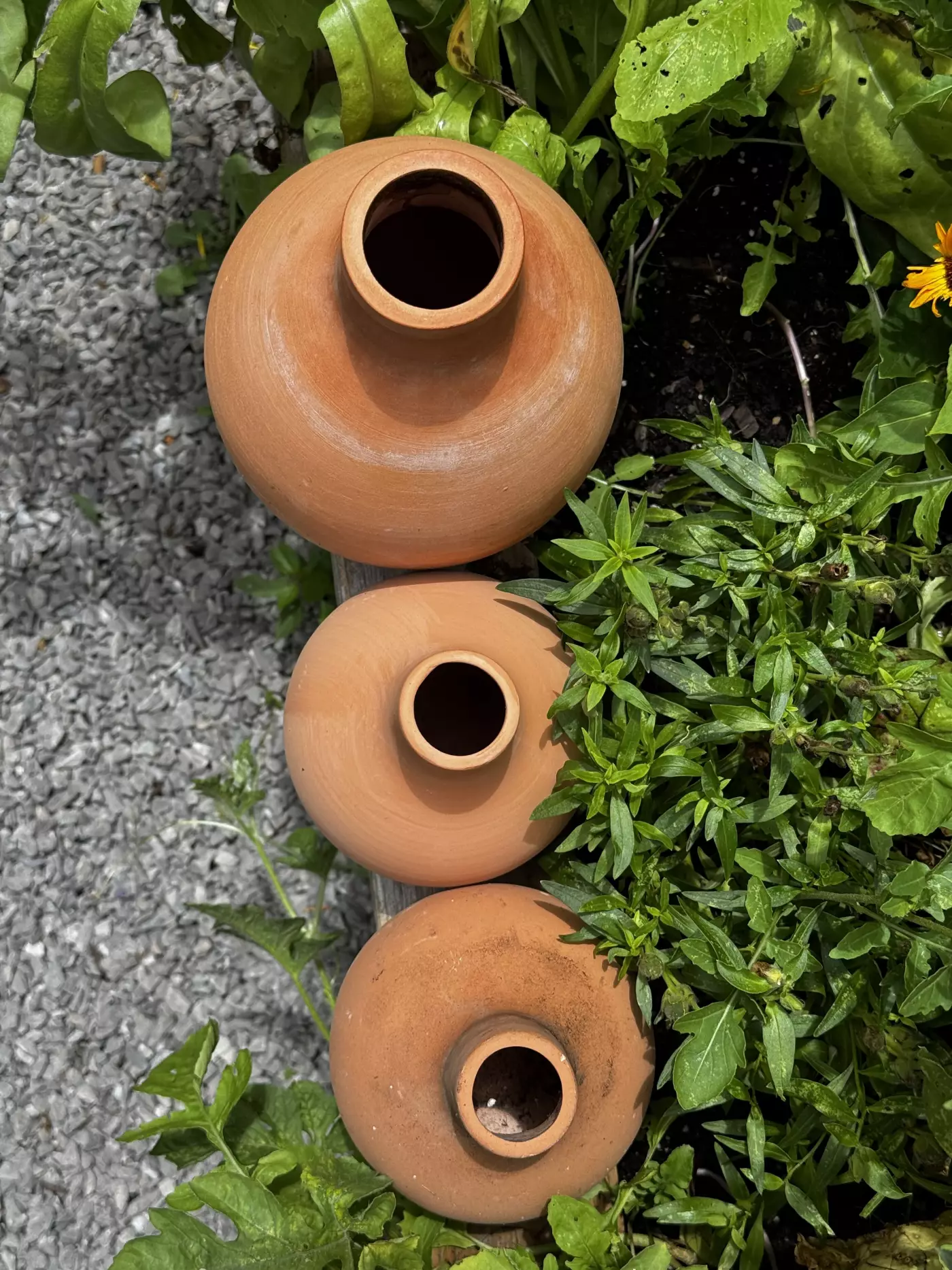
An olla pot is an unglazed terracotta clay vessel buried in the soil with only its neck exposed, designed to be filled with water that seeps slowly to plant roots through a process called osmotic irrigation.
I'll be honest, I had never heard of olla gardening until a few years into building kitchen gardens, and when I finally learned what they were, my first thought was: why didn't anyone tell me about this sooner? It's one of those ideas that sounds almost too simple to work. And then it completely works.

A Brief History of Olla Irrigation
The olla watering pot is not a trend. It's a 4,000-year-old technique.
Ancient civilizations across China, Iran, and North Africa used buried clay pots long before anyone had a garden hose — or electricity. The word olla itself comes from Latin and Spanish, meaning "pot" or "jar." Indigenous farmers in the American Southwest used them to grow crops in desert conditions, which says everything you need to know about how effective they are in dry or drought-prone climates.
The basic design has barely changed in four millennia. That's how good it is.

How Does an Olla Work?
Here's the science in plain language:
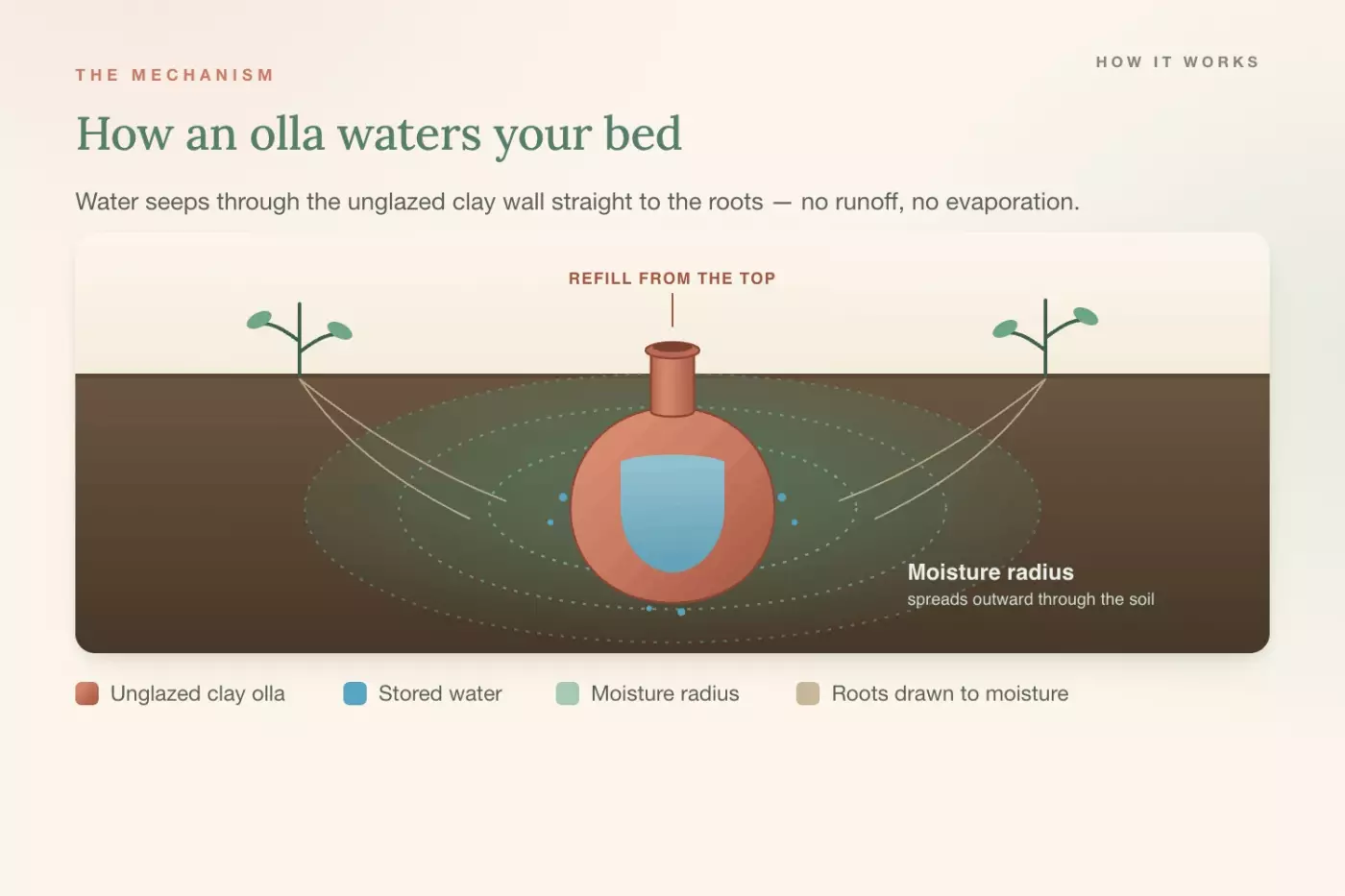
- An olla pot is made from unglazed terracotta, which is naturally porous
- When buried and filled with water, the clay slowly releases moisture into the surrounding soil through osmosis — the soil pulls water from the clay as it dries out
- Plants draw water as they need it, from the roots up
- Because water moves underground, there is minimal surface evaporation
- The result: consistent moisture at the root zone, on the plant's schedule, not yours
This is sometimes called subsurface drip irrigation — without any electricity, tubing, or timers.
What Makes Terracotta Ollas Different from Regular Clay Pots
Not all clay is created equal. A glazed pot holds water. An unglazed terracotta olla releases it. The absence of glaze is the whole point — it's what allows water to seep slowly through the walls into the surrounding soil. If you're buying or making ollas, always confirm they are unglazed terracotta all the way through.


How to Use an Olla in Your Garden
How to Install an Olla Pot
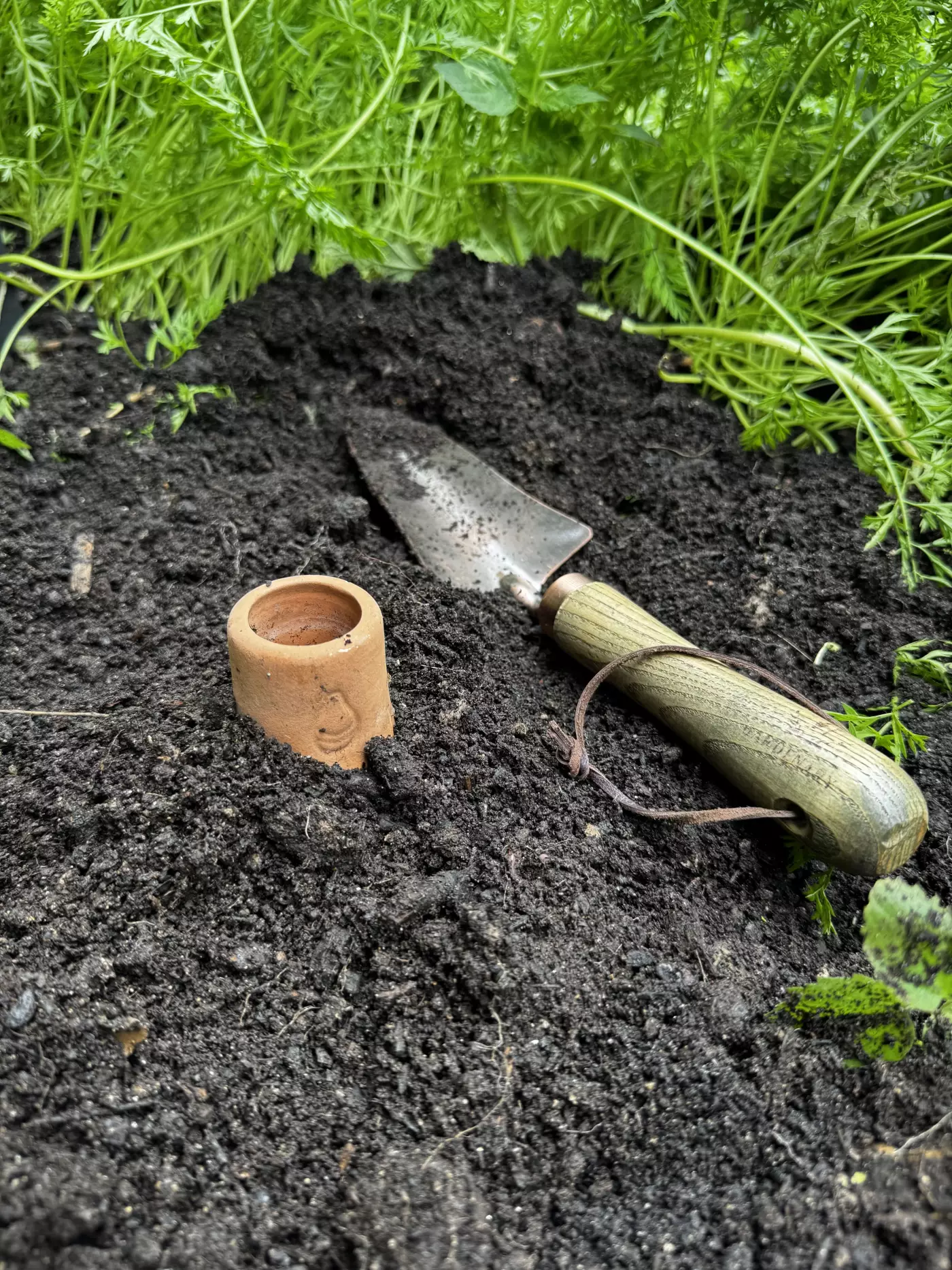
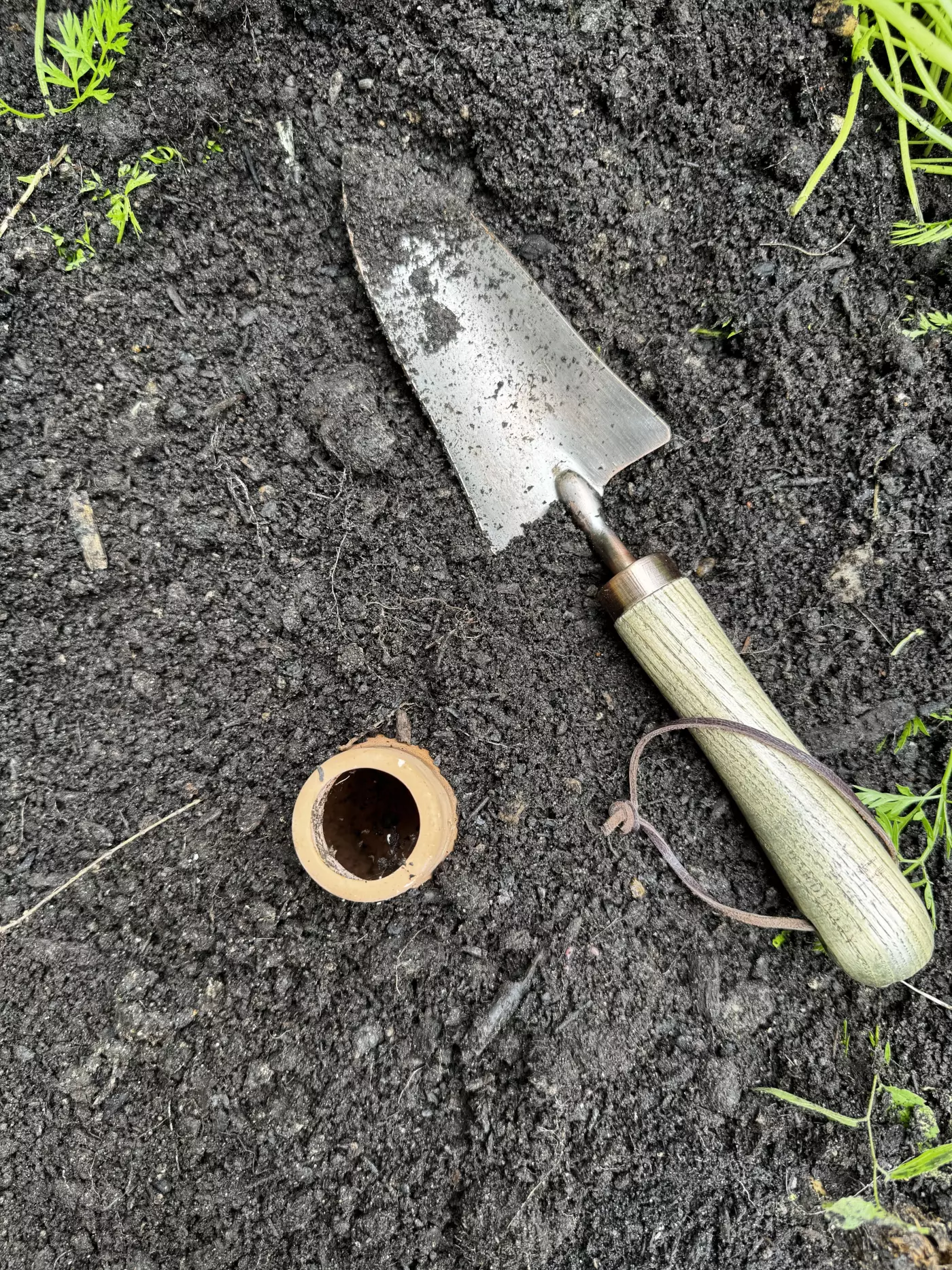
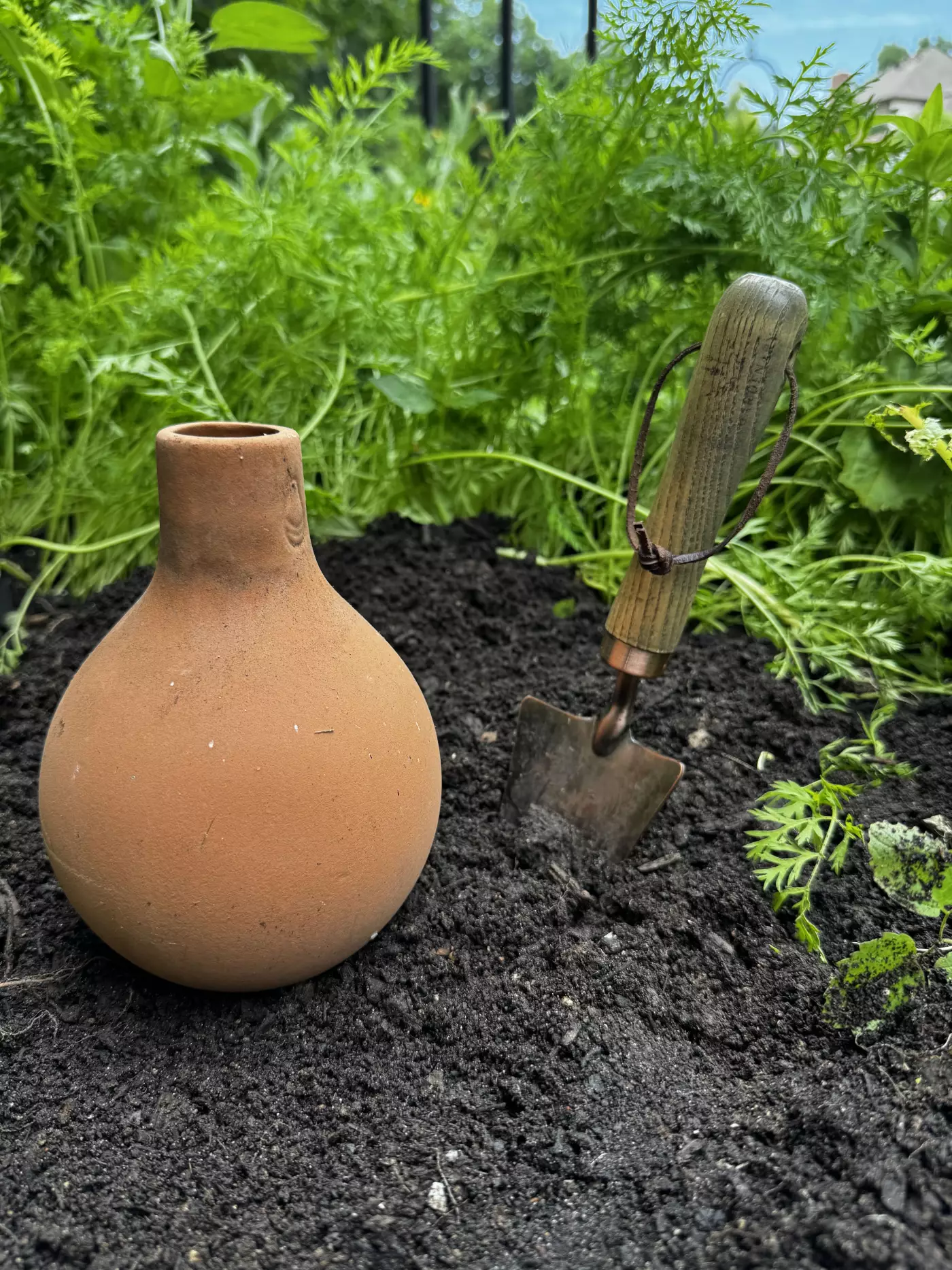
- Dig a hole deep enough to bury the olla so only the neck and opening sit above the soil line
- Set the olla in the hole and backfill around it gently, firming the soil to eliminate air gaps
- Fill the olla with water and cap the opening loosely to reduce evaporation and keep out debris
- Refill every 1 to 3 days depending on your climate, soil type, and plant water needs
- Plant your crops within 12 to 18 inches of the olla — that's the effective moisture radius for most standard sizes

How Many Ollas Per Square Foot?
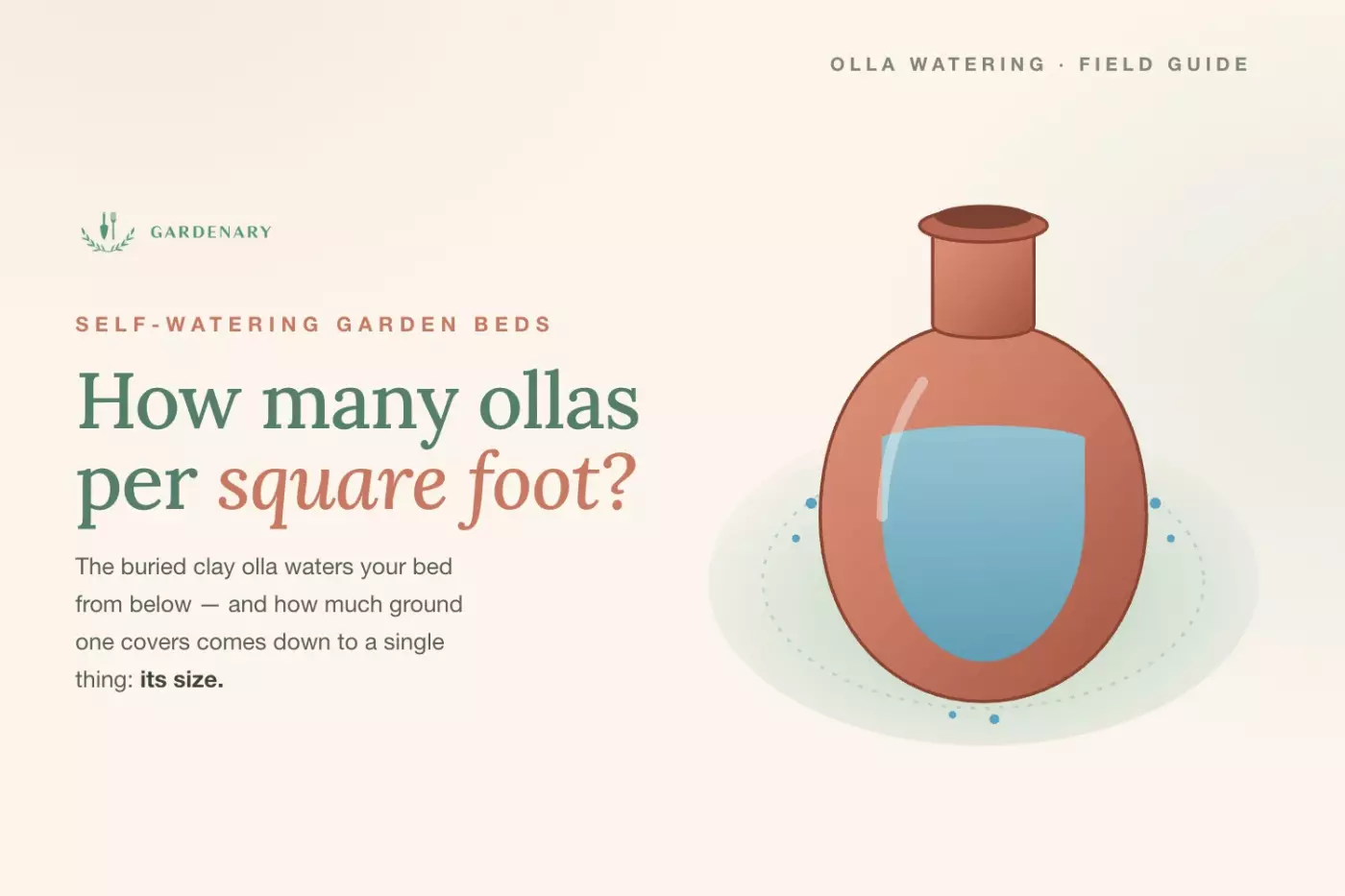
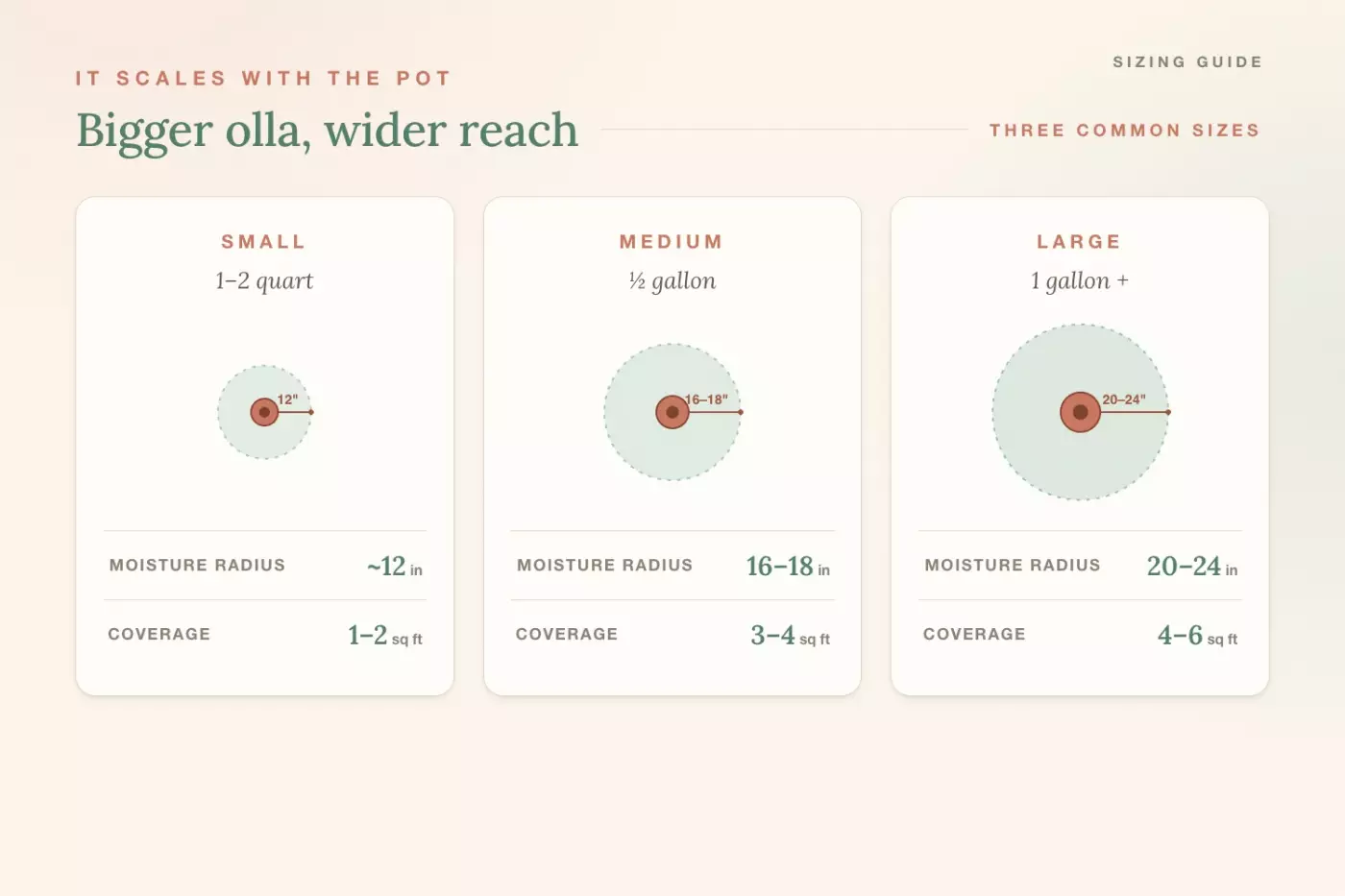
This is one of the most common questions about the olla watering system, and the answer depends on olla size:
Small (1–2 qt)
- Moisture radius: ~12 inches
- Coverage: ~1–2 sq ft
Medium (½ gallon)
- Moisture radius: ~16–18 inches
- Coverage: ~3–4 sq ft
Large (1 gallon+)
- Moisture radius: ~20–24 inches
- Coverage: ~4–6 sq ft
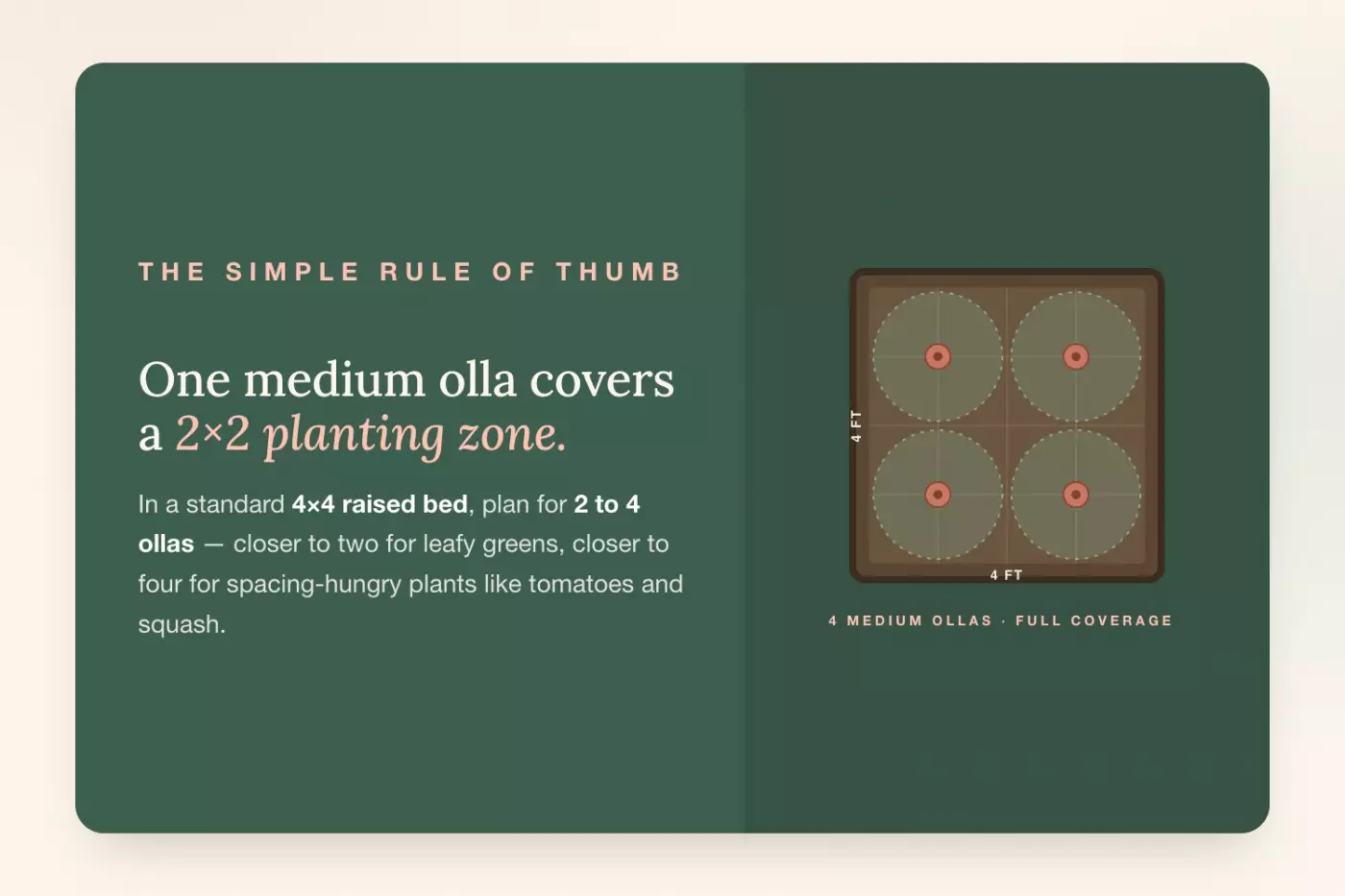
General rule: One medium olla covers approximately one 2x2 planting zone. In a standard 4x4 raised bed, plan for 2 to 4 ollas depending on what you're growing.


What Plants Benefit Most from Olla Irrigation?
Ollas work best for crops with deep root systems that appreciate consistent moisture at the root zone:
Shallow-rooted crops like lettuce and herbs may not draw water as effectively — surface watering or drip irrigation tends to serve them better.

Why Ollas and Raised Beds Are a Perfect Match
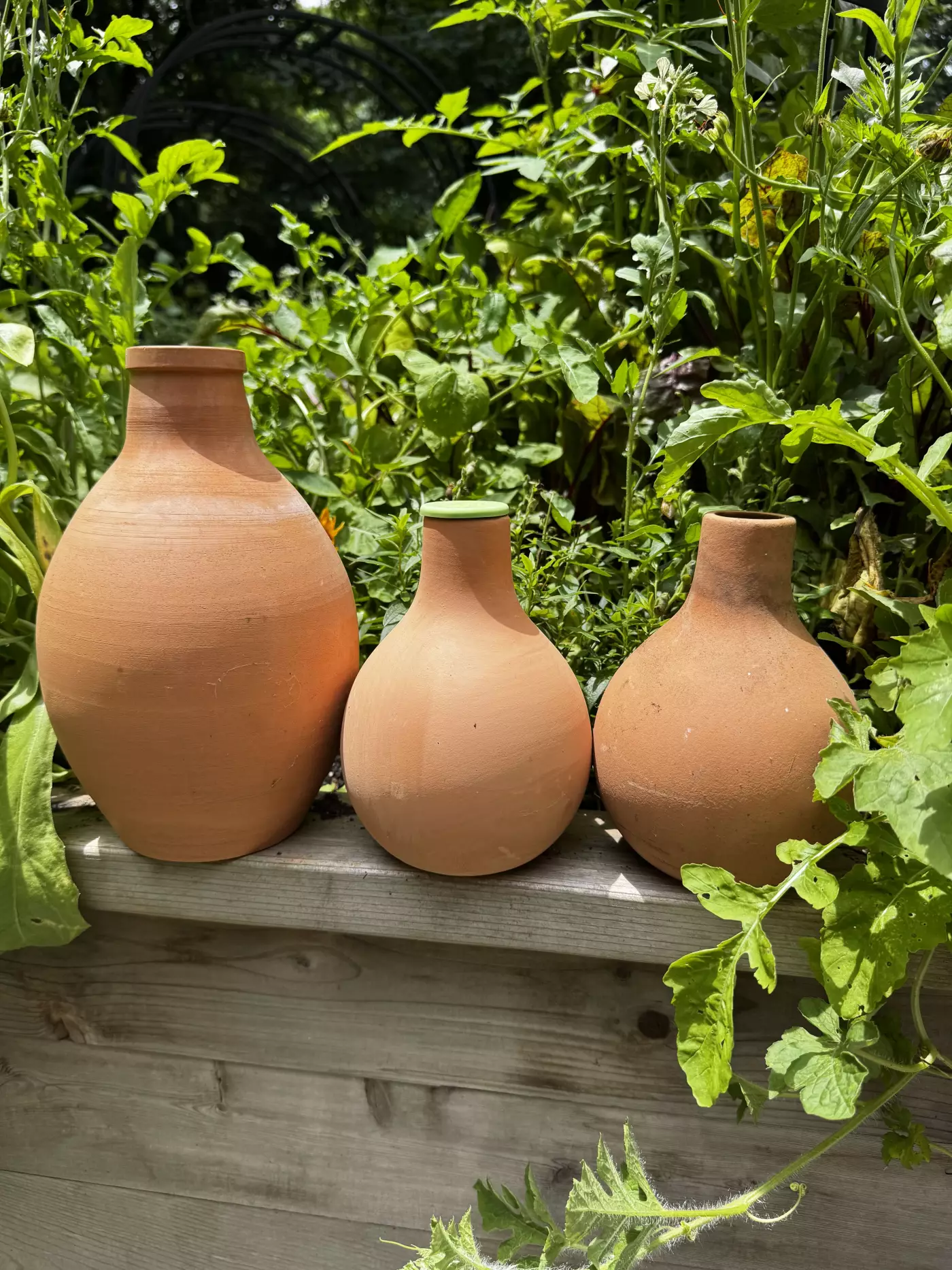
If you want to get the most out of an olla watering system, a raised bed is the single best environment for it. Here's why:
- Controlled soil composition — Raised beds are filled with loose, well-draining soil that allows water to move freely from the olla walls outward. Compacted ground soil can block osmotic seepage
- Defined root zones — In a raised bed, roots are contained within a predictable area, so you can position ollas with precision
- Better moisture retention — Quality raised bed soil holds just enough moisture to stay consistently damp between olla refills without waterlogging
- No competition from surrounding soil — The walls of a raised bed prevent your olla's moisture from seeping sideways into areas outside your garden
At Gardenary, our cedar raised beds are handcrafted from untreated kiln-dried cedar, which means no chemicals leaching into your soil — exactly the kind of clean, organic environment where olla gardening thrives. The key-and-lock assembly makes them solid enough to use for years without warping or shifting. If you're setting up an olla system for the first time, starting in a raised bed is the setup that will give you the best results from day one.
Love the Look of a Gardenary Garden? Start With the Beds.
Handmade cedar kits that skip the sawing, measuring, and hammering
- A raised bed for every space, with 39 size options
- Three heights to fit your planting needs
- Handmade in the USA from premium, untreated cedar
- Built for long-term durability and productivity
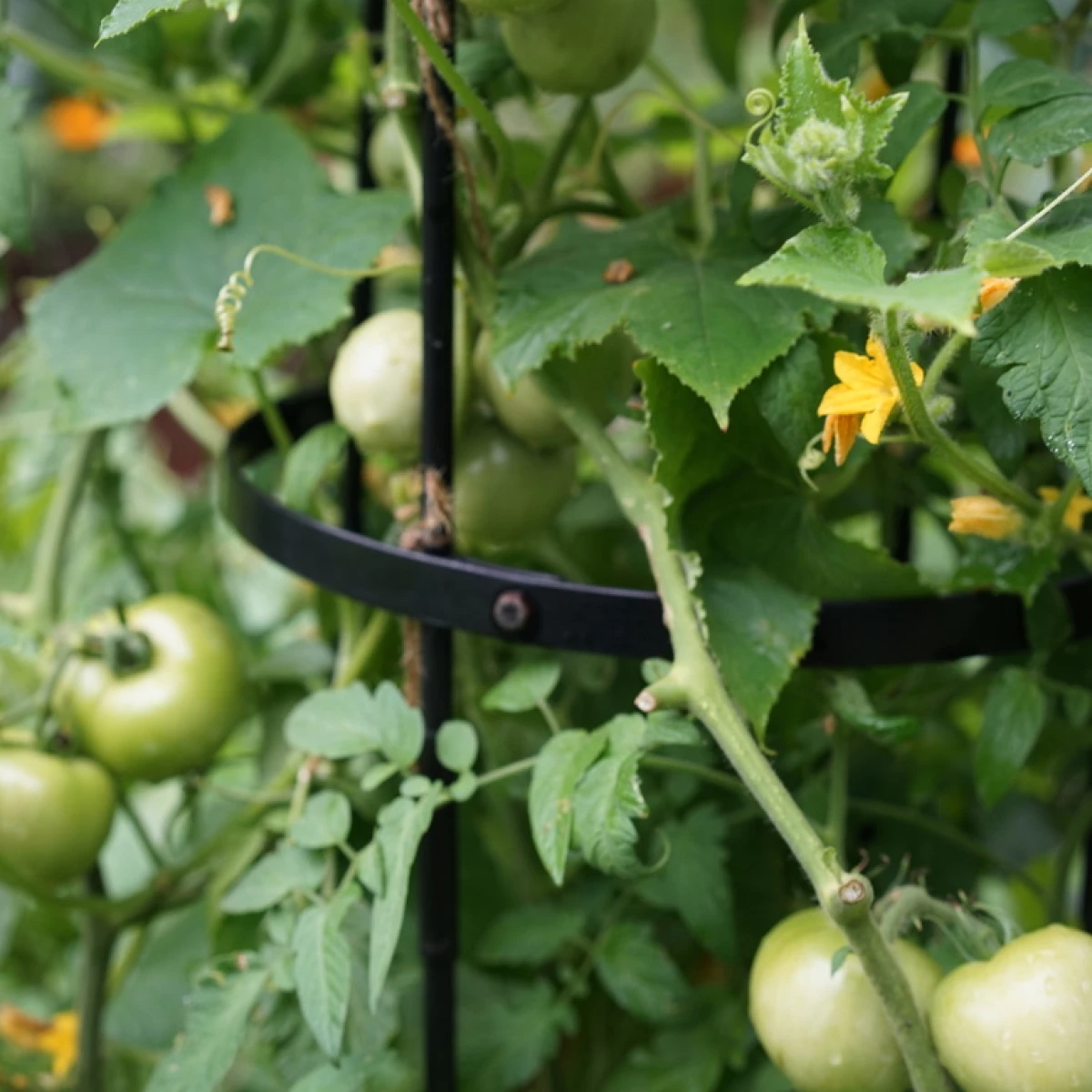
Why You Should Place an Olla Near Your Trellis
This is a pairing most gardeners never think about, and it makes a huge difference.
The crops that benefit most from olla irrigation (tomatoes, cucumbers, squash, beans) are also the crops that grow vertically. Deep-rooted, moisture-loving plants that climb are the exact plants you want on a trellis. When you position an olla at the base of a trellised plant, you're delivering consistent root-zone moisture to a plant that's doing a lot of work above the soil line.
Here's why it matters:
- Vertical crops under stress need consistent water — irregular watering causes blossom end rot in tomatoes, bitter cucumbers, and poor fruit set in peppers
- A trellis concentrates your plants in one zone — which means you need fewer ollas to cover your high-value crops
- Root competition decreases — trellised plants send roots down, not sideways, making them ideal candidates for a single buried olla positioned directly below
The Gardenary Trellises are designed specifically for raised garden beds and support exactly the kind of crops that love olla watering most. If you're growing tomatoes, cucumbers, or climbing beans, pairing a Gardenary metal trellis with an olla at its base is one of the most efficient growing setups you can build.

Common Mistakes with Olla Gardening
- Planting too far from the olla — stay within 12 to 18 inches for best results
- Using glazed pots — they won't seep; always use unglazed terracotta
- Leaving the olla uncapped — debris, mosquitoes, and evaporation become problems fast
- Installing in compacted ground soil — this is why raised beds work so much better
- Forgetting to refill — ollas still need to be topped off; they just need it less often than surface watering


FAQ — Olla Irrigation
How deep should you bury an olla?
Bury the olla deep enough that only the neck and opening remain above the soil line. The entire clay body should be underground to maximize the surface area releasing water into the surrounding soil.
How often do you refill an olla watering pot?
Most ollas need refilling every one to three days, depending on soil type, plant water demand, and outdoor temperature. In hot climates or peak summer heat, check daily. In cooler weather, every two to three days is typically sufficient.
Do ollas work in raised beds?
Yes — raised beds are actually the ideal environment for olla gardening. The loose, well-draining soil in a raised bed allows water to seep freely from the terracotta walls, and the contained root zone means plants are positioned close enough to draw moisture efficiently.
What is the difference between an olla and drip irrigation?
Drip irrigation delivers water to the soil surface or just below it through a pressurized tubing system. An olla delivers water passively underground through osmosis, with no electricity, pressure, or timers required. Ollas are lower-tech and lower-maintenance; drip irrigation offers more precision and scalability for larger gardens.
How many ollas do I need for a 4x4 raised bed?
For a standard 4x4 raised bed, plan for 2 to 4 ollas depending on the olla size and what you're growing. High-water crops like tomatoes and cucumbers benefit from one olla per plant; lower-water crops may share coverage from a single olla.
Where can I find raised beds that pair well with ollas?
Gardenary's cedar raised beds are handcrafted in the USA from untreated kiln-dried cedar and designed specifically for vegetable gardening. They're the perfect companion for using an olla irrigation system.
Learn How to Plan and Build Beautiful Raised Beds
Follow a simple process to build a raised bed that makes construction straightforward — even if you’re not “handy.”
Ready to Water Smarter?
Olla irrigation has lasted 4,000 years for a reason — it works. And it works best when you give it the right environment. A well-built raised bed, the right crops, a trellis overhead, and a buried clay pot doing work underground. That's a system worth building that will save you time and give you peace of mind that your plants are being cared for while you're away.
Give ollas a try or learn more about drip irrigation systems.
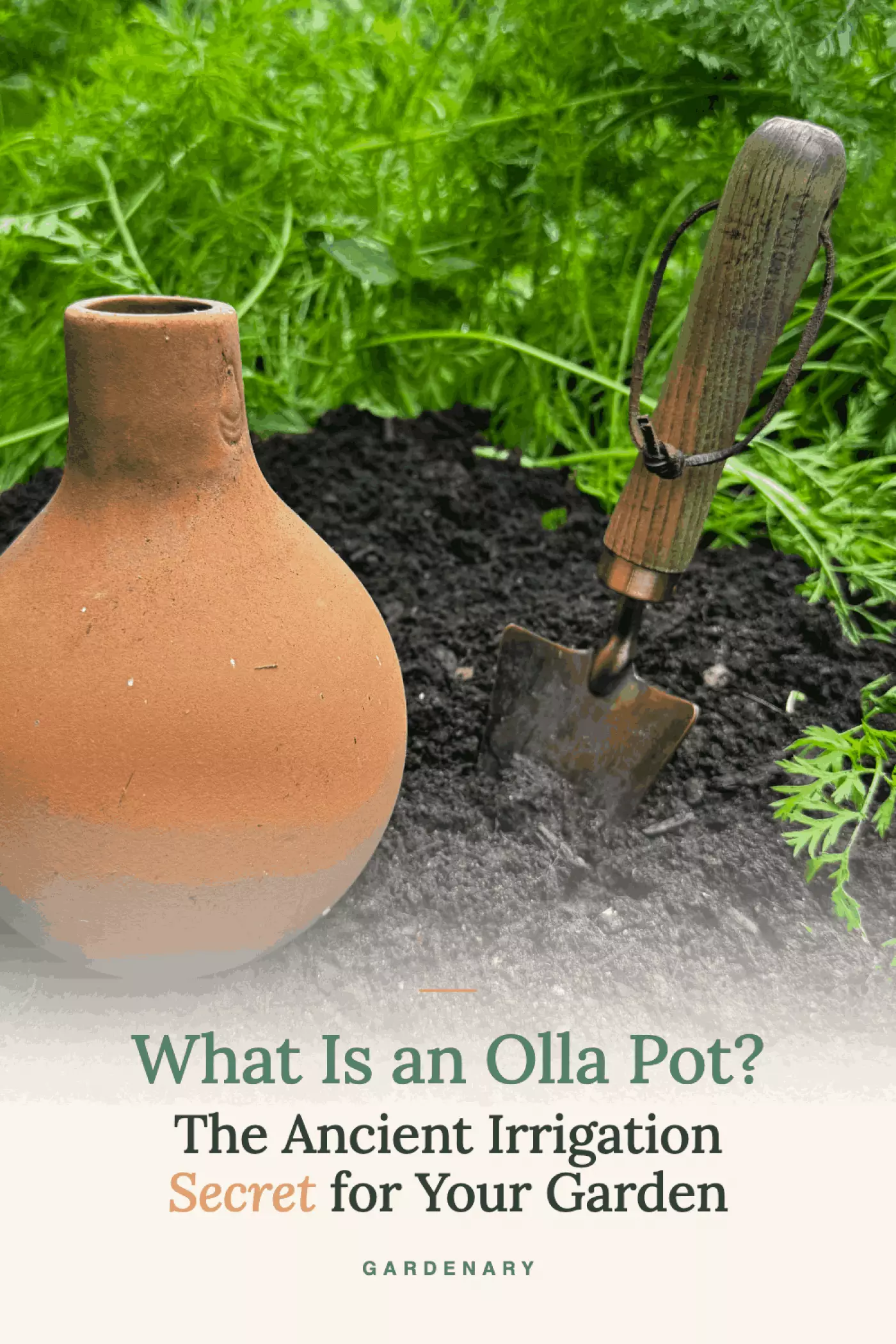
Click the image below to save this article for later!

Keep Reading
How to Grow a Lifetime Supply of Garlic: How Much to Plant and Save Each Year
Garden Coaching as a Second Career: How Kate Corrigon Built a Successful Business After Retirement
When Should I Cover My Plants? The Temperatures and Timing I Use in My Own Garden
The Galvanized Garden Trug: A Tool Caddy Too Pretty to Hide
Thanksgiving Herbs: What to Grow for Turkey, Stuffing, and Sides