Join Thousands of Gardeners On the VIP List
Free perks, just for email subscribers:
- 15% Off Your First Order
- Gardening Videos & Articles
- Early Access to Sales
Sign up, check your inbox, then shop with your code.

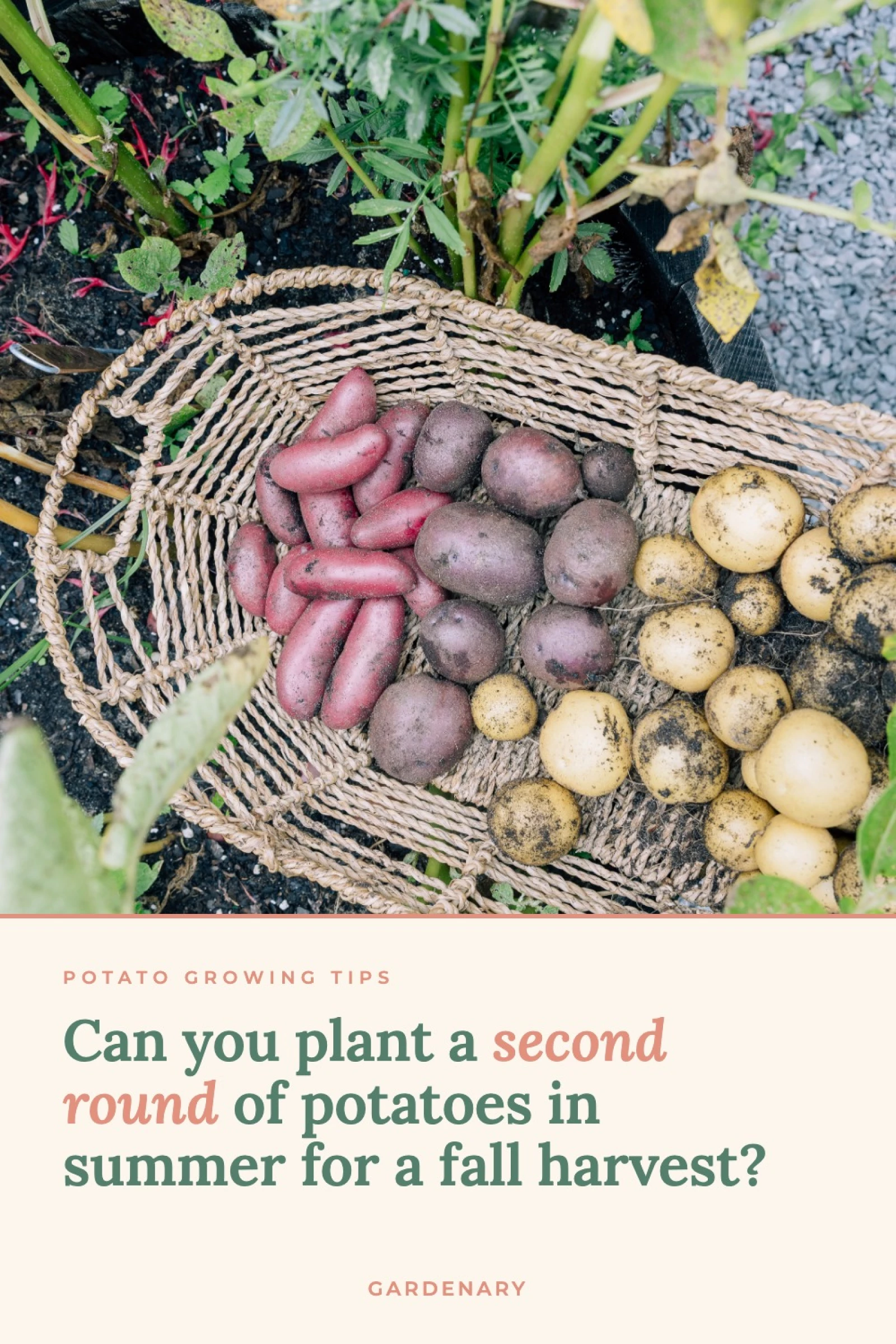
Nicole's Quick Take: You can absolutely plant a second round of potatoes in mid to late summer for a fall harvest. The key is timing it 10 to 12 weeks before your first expected frost and choosing a quick-maturing variety.
At a Glance
- Most gardeners miss this second planting window entirely simply because they assume potatoes are a one-shot, spring-only crop.
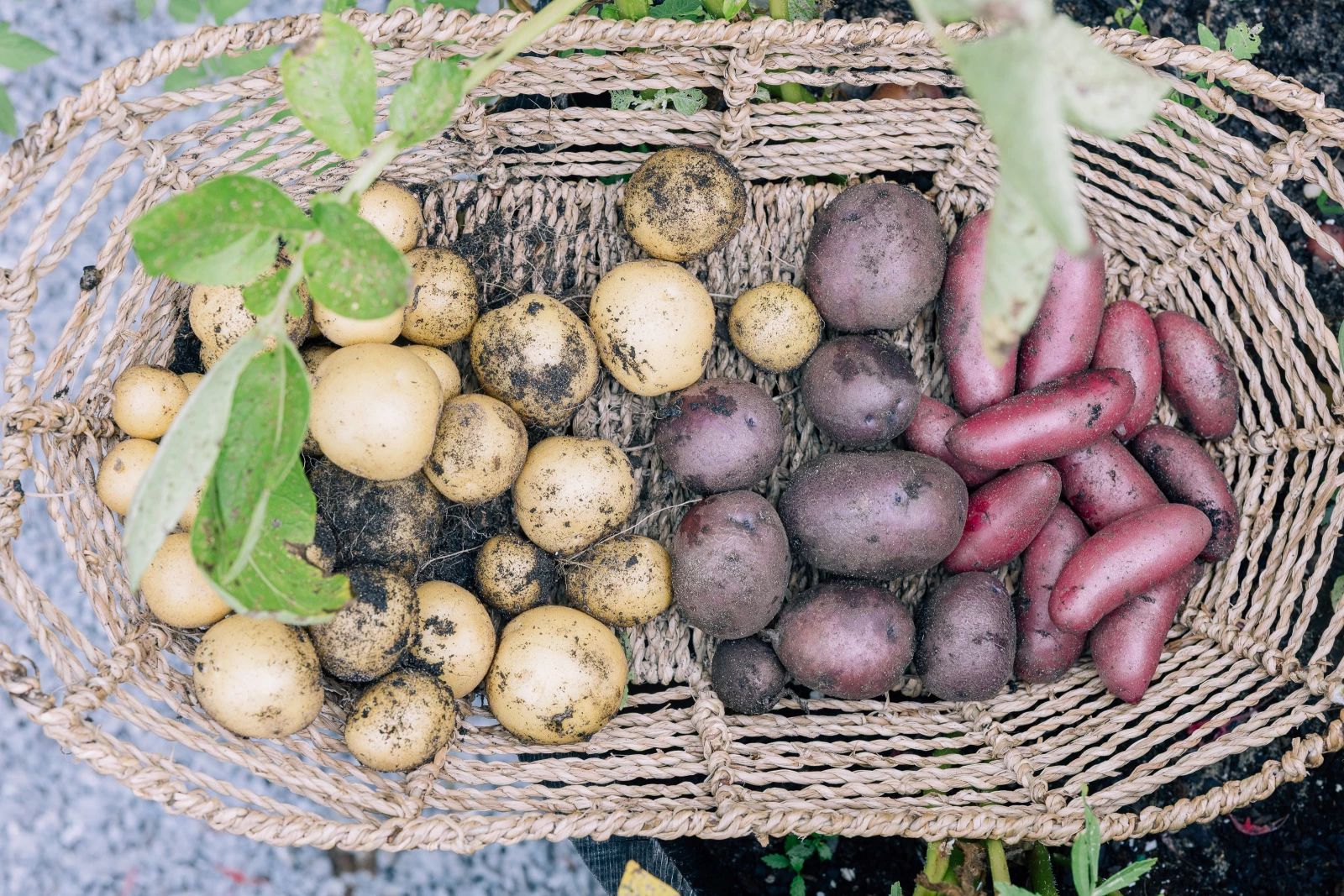
- Quick-maturing varieties like Yukon Gold or red potatoes are your best bet for a successful fall harvest.
- Potatoes planted for a fall crop do best in a container rather than your main raised bed, since summer heat and bed space are both working against you.
By Nicole Johnsey Burke: Founder of Gardenary and Author of Kitchen Garden Revival
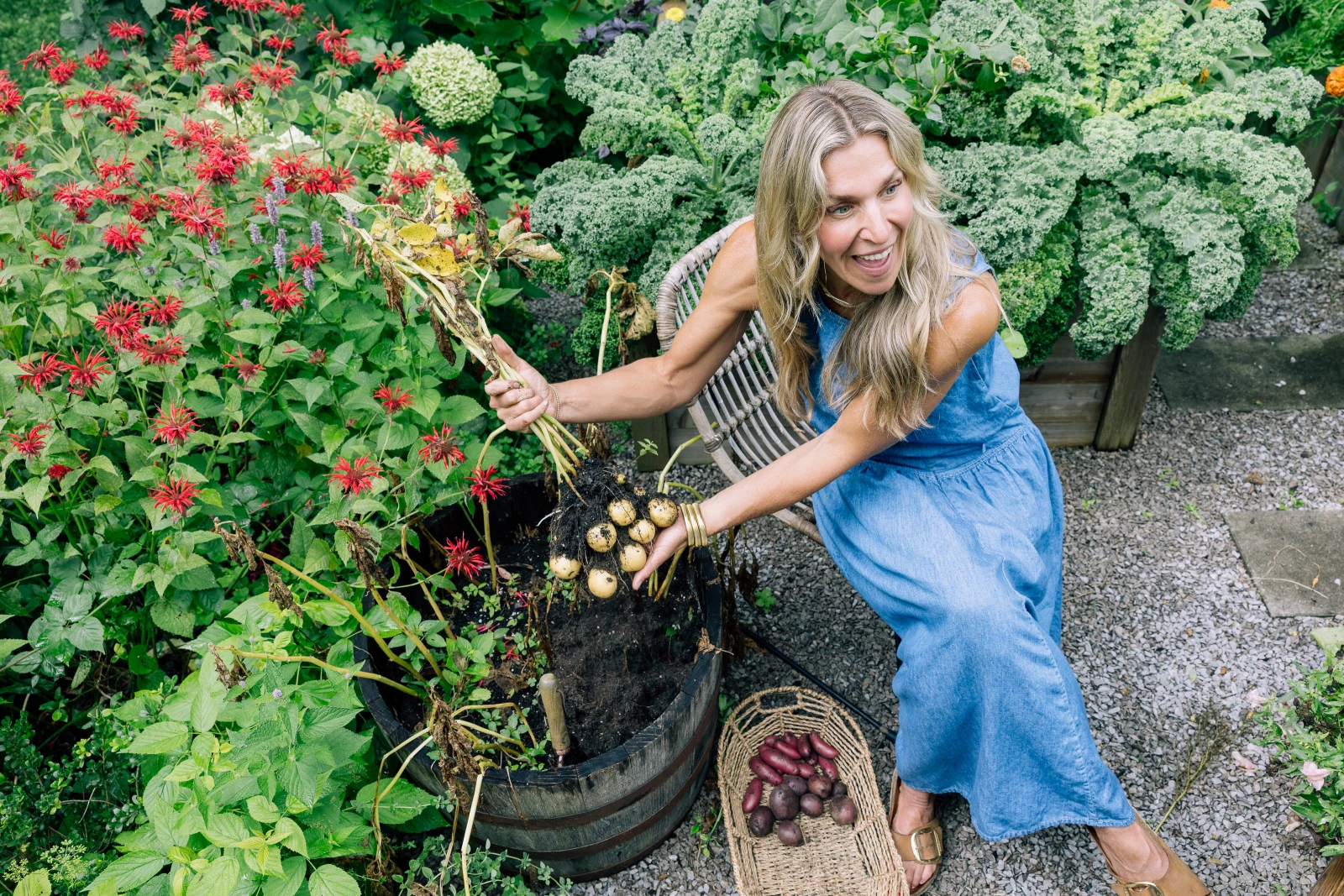
I didn't plant a second round of potatoes for years because it never occurred to me that I could. I thought potatoes were only a springtime plant.
One July I had a batch of seed potatoes left over from spring planting, and I figured I had nothing to lose. That accidental fall crop turned out to be one of the best harvests I've had.
If you're wondering if it's too late for more potatoes this year, I'm here to tell you it's probably not.

The Real Question: "Do I Have Enough Time?"
Potatoes need about 70 to 90 days from planting to harvest, depending on the variety. That means the real question for a summer planting isn't whether potatoes can handle a second round. They can. The question is whether you have enough warm growing days left before your first frost to get them there.
Do you still have time to grow potatoes?
- Find your first frost date. Your local county extension office can give you a reliable estimate if you don't already know it.
- Count backward 10 to 12 weeks from that date. That's your planting deadline.
- Compare today's date to that deadline. If you're still ahead of it, you're clear to plant.
- Cutting it closer than 10 weeks? Lean toward the fastest-maturing variety you can find.
I've planted fall potato crops in Houston, where frost barely shows up before December, and in Chicago, where I had to move fast once August hit. Nashville sits somewhere in the middle. Your climate will shift this math, but the formula stays the same.
Step 1: See Your Frost Date
*Based on historical climate data from NOAA, only zip codes from United States are supported.

Real garden coaches. Real businesses. You could be next.
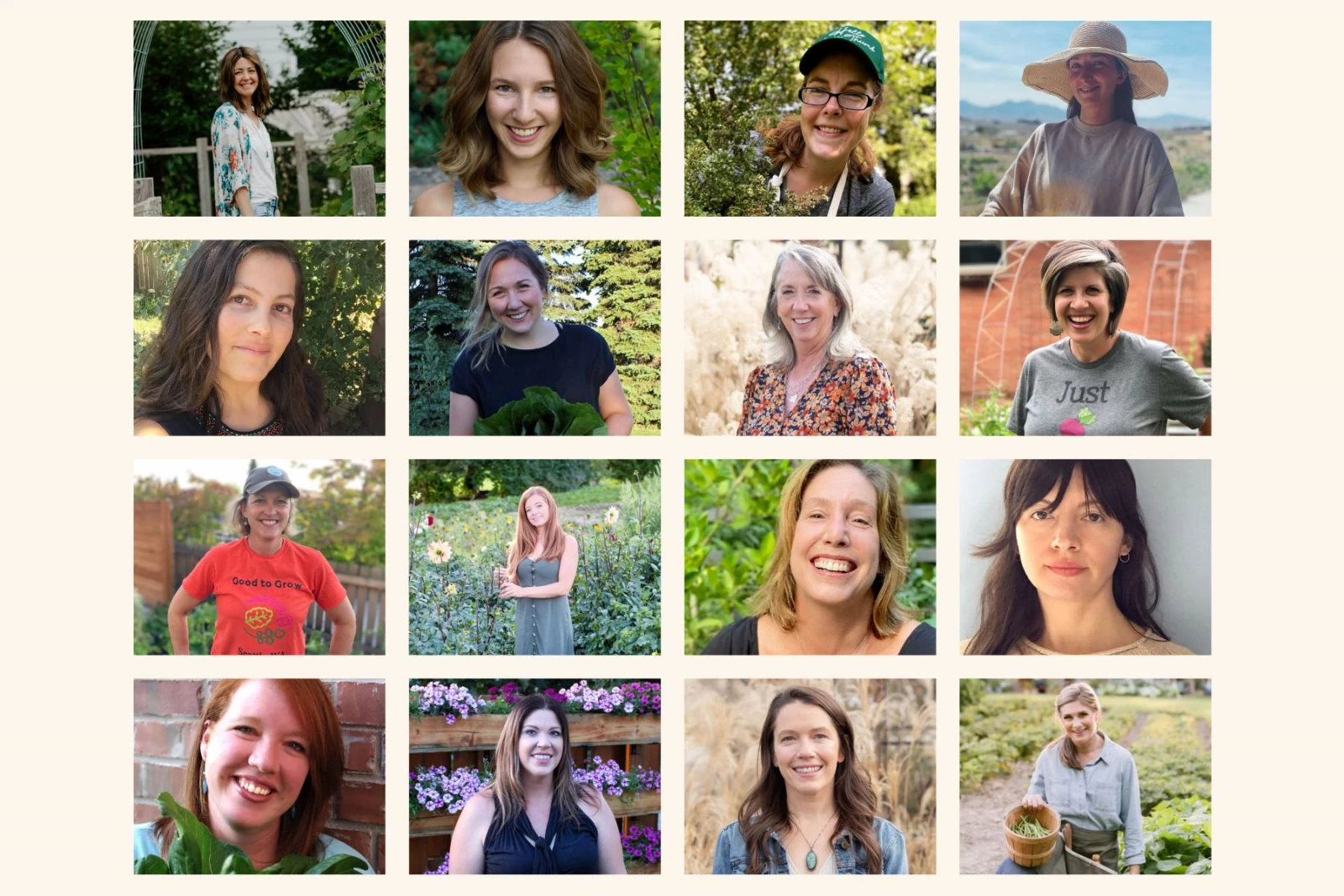
2,000+ students have started their garden business with Garden Coach Academy — a 12-week program with everything you need to launch and scale your own garden coaching business.
Why a Container Beats a Raised Bed for Potatoes
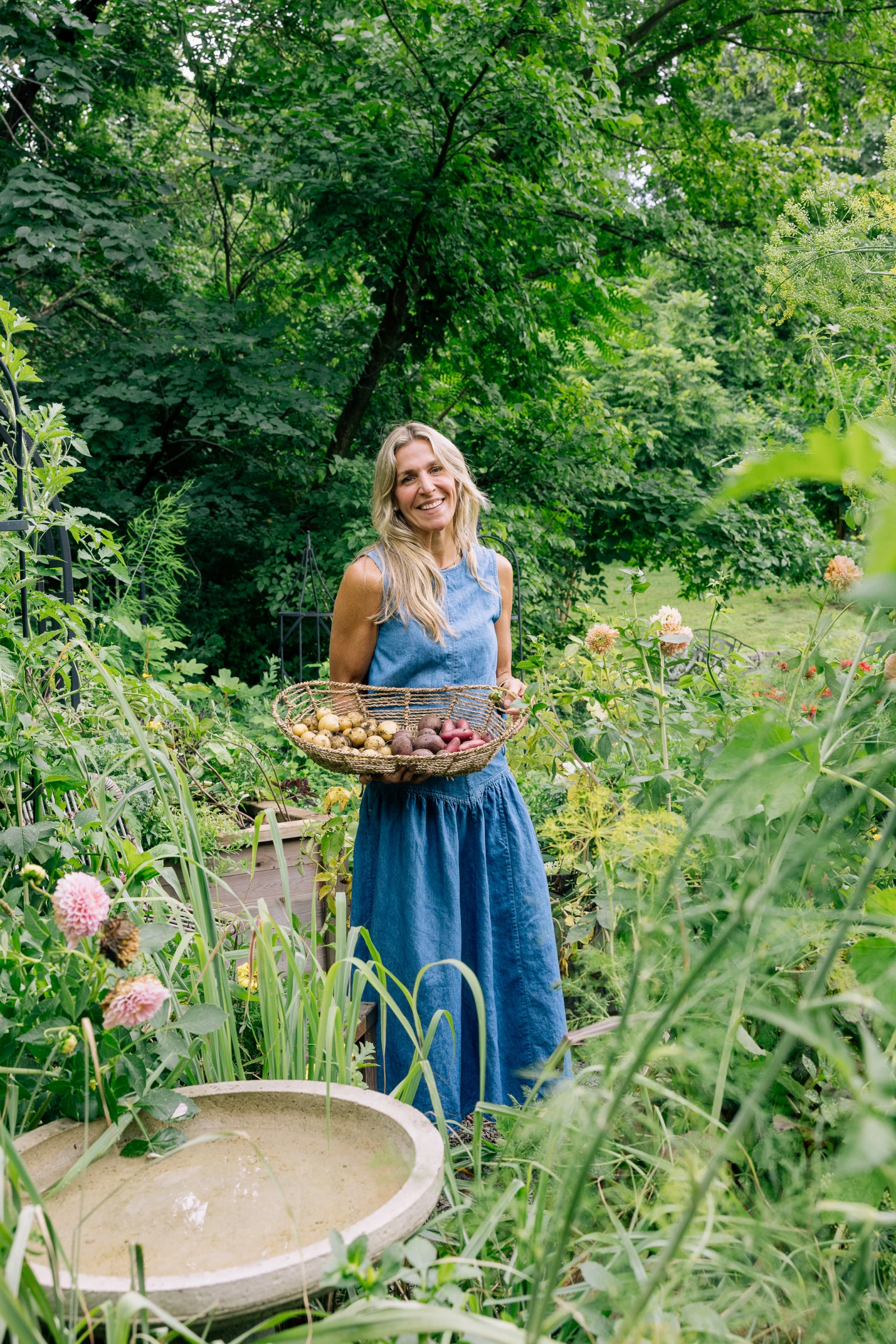
I know it's tempting to just tuck a fall potato crop into whatever raised bed space opens up after you pull your spring crops. I'd steer you toward a container instead, and here's why:
- Effortless harvesting. You have the option to tip a container over onto a tarp and sift through loose soil to gather your tubers by hand.
- Fewer soil-borne problems. Raised beds and in-ground soil can harbor fungal spores, nematodes, or potato scab year after year. A container lets you start with fresh, sterile potting mix every time, which sidesteps these issues before they start.
- More flexibility with placement. Containers can go on a concrete patio, a deck, or even a small balcony, so you're not limited by bed space. If you have them on wheels, you can also move them to catch more afternoon sun as fall days get shorter, or pull them somewhere protected if an early cold snap threatens.
- Simpler hilling. Potatoes need their stems buried progressively as they grow, and in a container, that just means adding a scoop of fresh soil or compost to the top rather than mounding dirt over long rows.
- Faster warm-up when you need it. Container soil temperature responds quickly to the weather around it, which works in your favor with a fall crop since you can position it to catch every bit of remaining warm-season sun.

How to Plant Your Second Round
- Choose a quick-maturing variety. Yukon Gold, red potatoes, and other early to mid-season varieties are your friends here. Save the longer-season varieties for next spring.
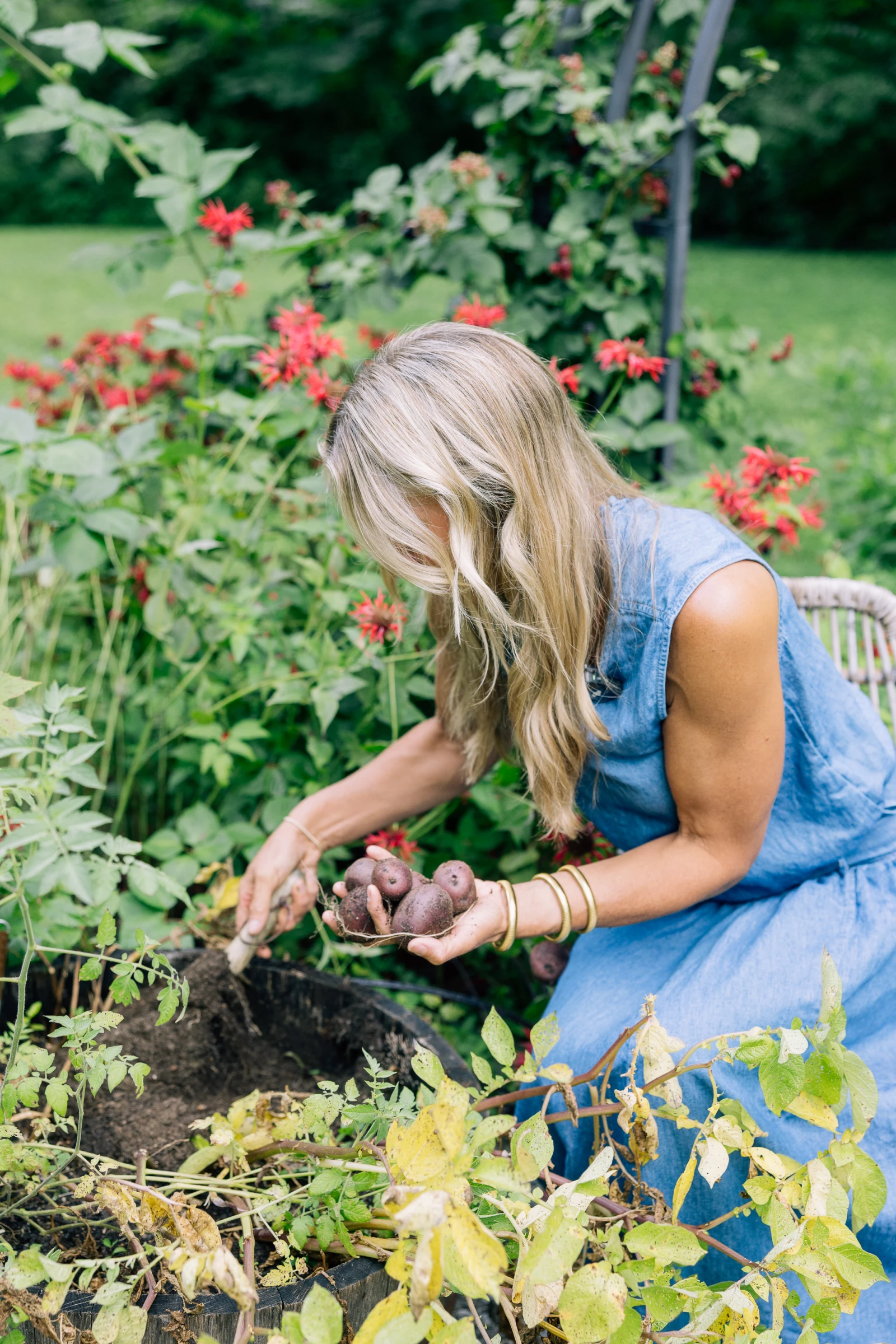
- Cut seed potatoes if needed, and let them cure. If you're using pieces of a larger potato, cut them into chunks with at least one eye each and let the cut sides callous over for a day or two before planting. This step matters most in summer heat, since a fresh cut sitting in warm, moist soil is more likely to rot.
- Plant in a container with excellent drainage. Fill it about a third of the way with loose, organic soil, set your seed potatoes in with the eyes facing up, and cover with a few inches of soil.
- Water consistently. Summer heat pulls moisture out of containers fast. Check daily and water whenever the top inch of soil feels dry.
- Hill as the plants grow. Just like a spring crop, mound soil around the stems as they grow taller to protect developing tubers from sunlight.
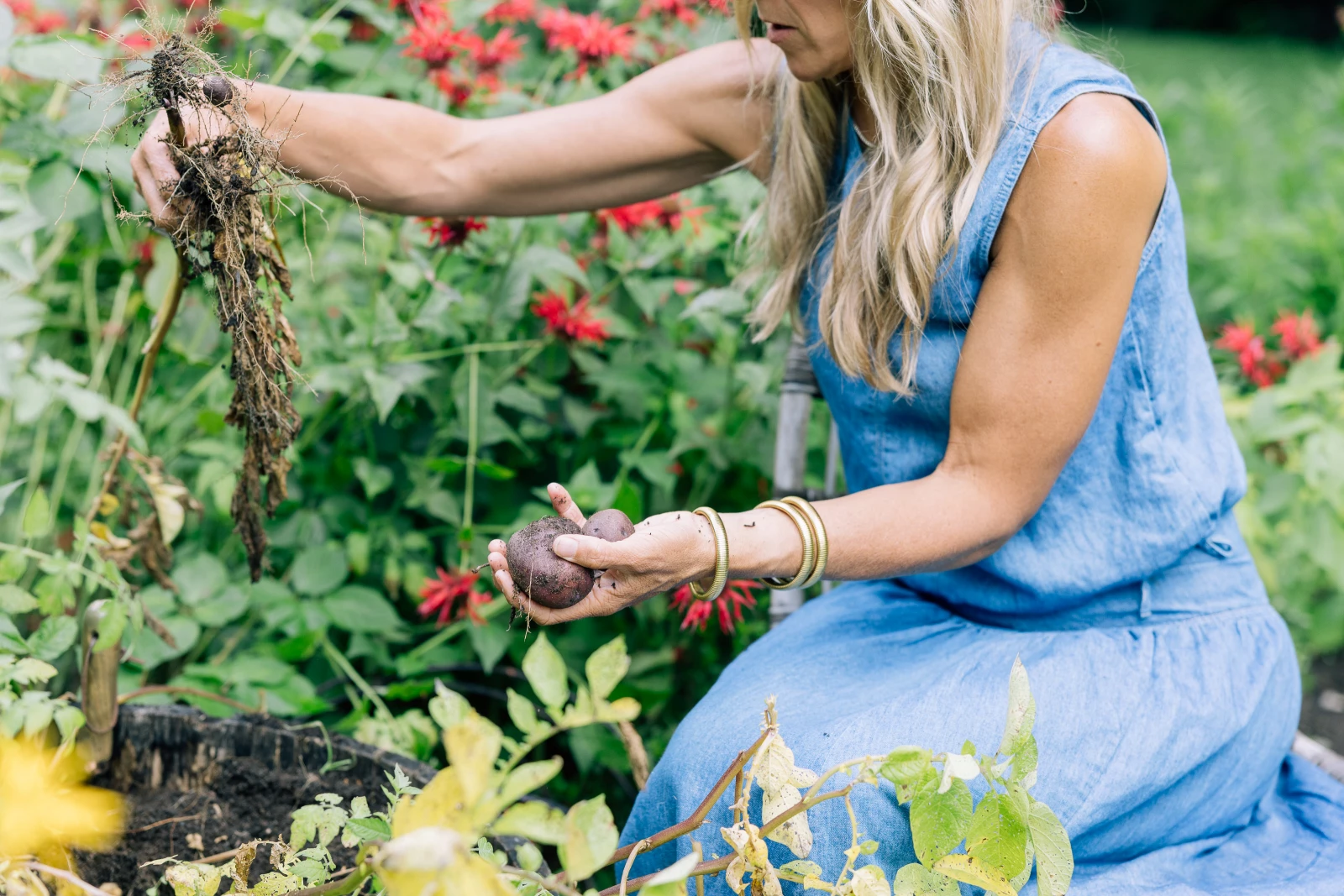
- Watch your foliage for the season's finish line. Once the plant flowers and then the foliage starts to yellow and die back, your potatoes are ready to harvest.

Tools That Make Growing Potatoes Easier
A fall potato planting asks a little more of you than a spring one, mostly because you're working in tougher heat.
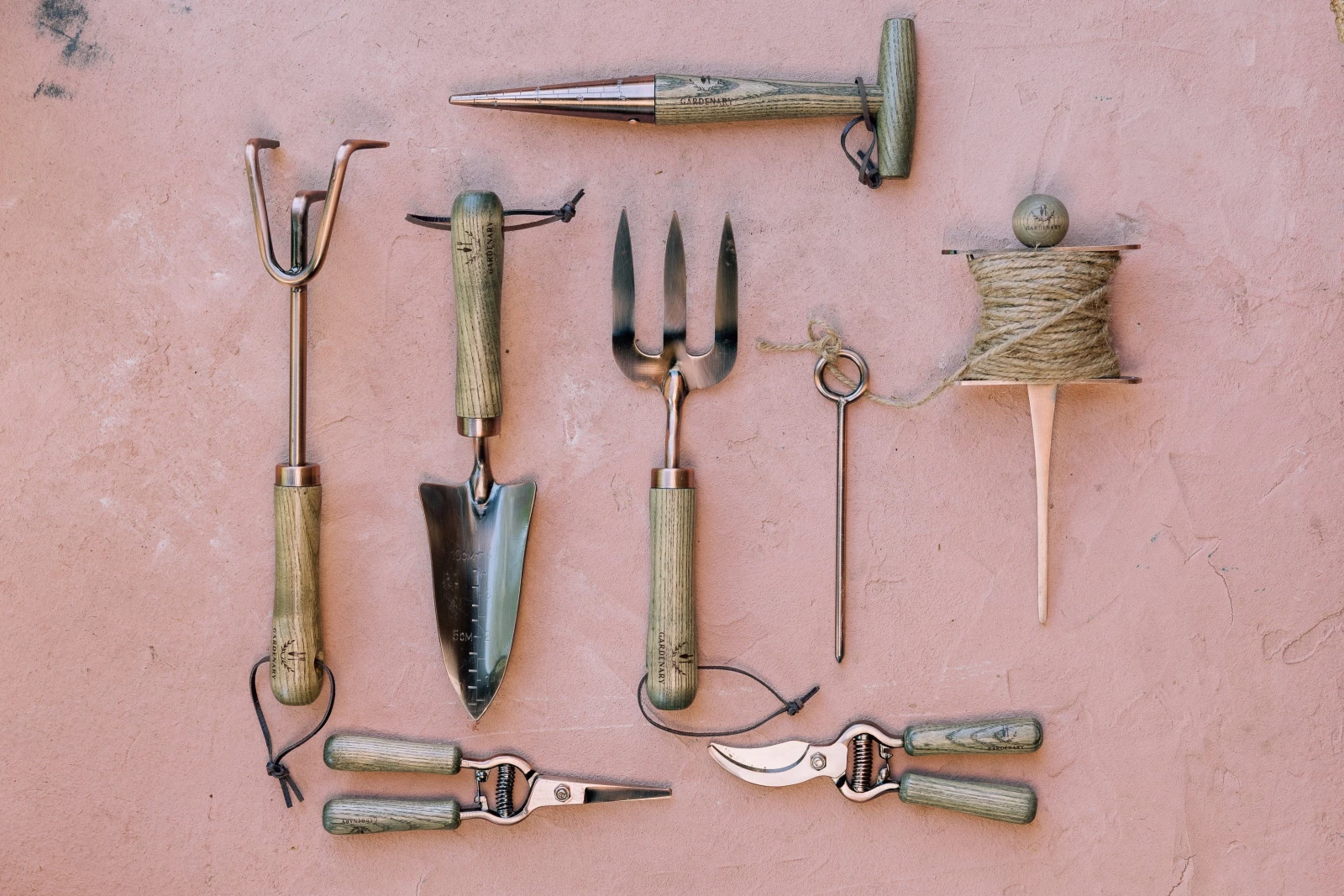
A few tools from my Gardenary copper tool set earn their keep here:
- Transplanting shovel: My go-to for digging planting holes in a container and working seed potatoes into loose soil without disturbing anything around them. The narrow, pointed shape makes precise depth easy in a smaller container space.
- Cultivator: Use this before you plant to break up and aerate your container soil. A fall crop gets a much easier start in loose soil than in anything dense or compacted.
- Hand fork: Your tool for hilling season, when you need to work soil up around your stems without tearing into roots that are already establishing.
- Bypass pruner: Useful on both ends of the process, for cutting back the yellowing foliage of your spring crop cleanly and later for trimming back your fall plant's foliage once it's finished its job.
If you're building out a full garden tool kit for the season, the Gardenary Copper Tool Set bundles these together, and I genuinely reach for this exact combination all season long, not just for potatoes.
7 Tools, Beautifully Designed
The tool set gardeners actually want, made from carbon steel with an ash wood handle and a warm copper finish.
- Bypass pruner for clean, precise harvest cuts
- Needlenose pruner for detail work in tight spaces
- Transplanting shovel for seedlings and planting holes
- Dibber for perfectly spaced seed sowing
- Cultivator for loosening soil and clearing debris
- Hand fork for weeding and working around established plants
- Row marker & planting line for straight, intentional rows
All in a gift box, ready to use.
Common Mistakes With a Second Potato Planting
- Planting too late. This is the number one thing I see. If you're inside your 10-week window with a longer-season variety, you're setting yourself up for small, underdeveloped tubers. When in doubt, plant sooner.
- Skipping the curing step on cut seed potatoes. You can get away with this in cooler spring soil. In summer heat and moisture, a fresh cut is an open door for rot.
- Forgetting to water. A container dries out far faster than an in-ground bed, especially in July and August. This is the crop most likely to suffer from a few missed watering days.

Frequently Asked Questions About Potatoes
Can you grow potatoes from potatoes you already have?
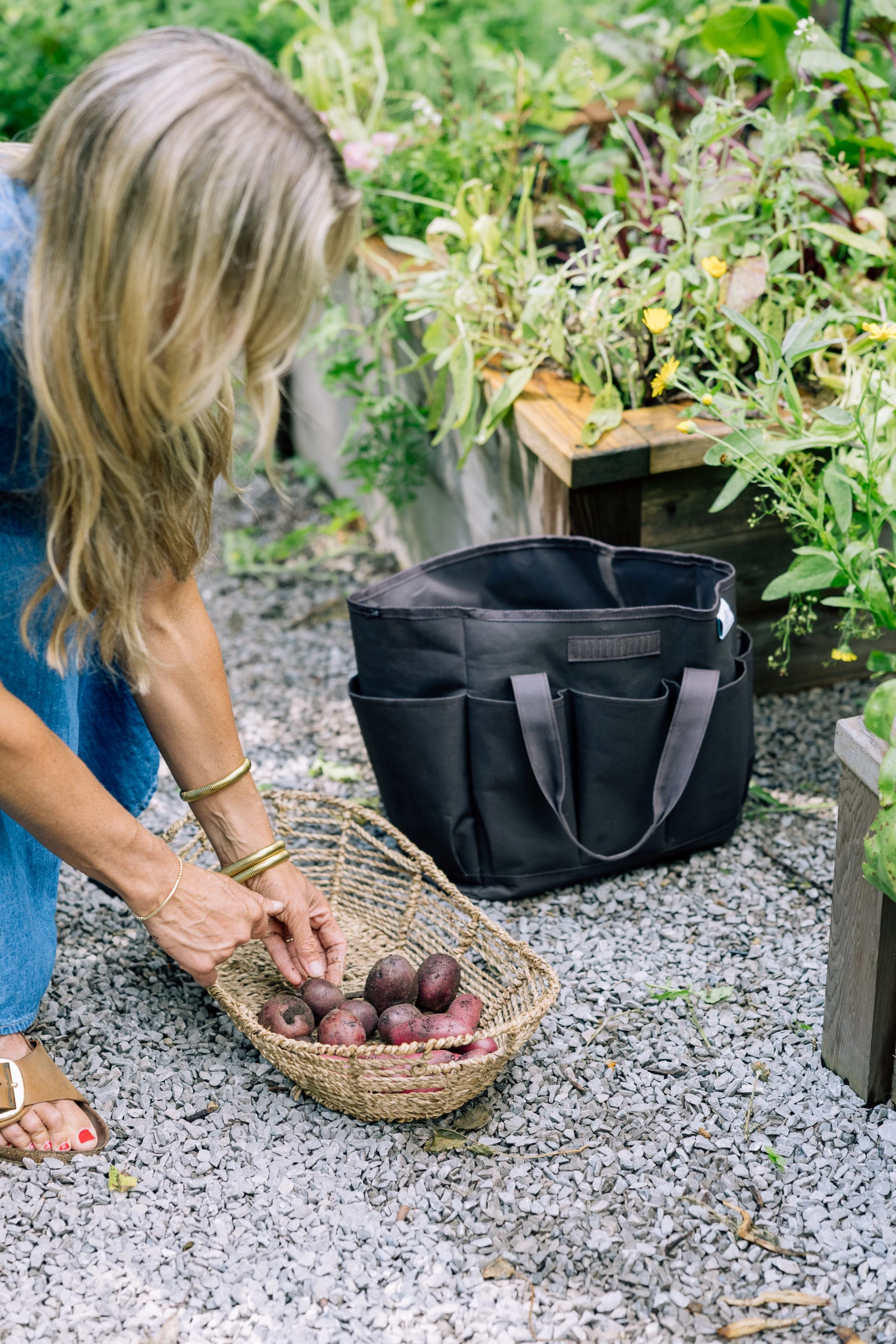
Yes. You can plant pieces of a potato that has eyes on it, whether it's a leftover seed potato or, in a pinch, an organic store-bought potato that's started to sprout. Just make sure each piece has at least one healthy eye and let the cut side callous over before planting.
How many potatoes does one plant produce?
A single healthy potato plant typically produces 3 to 8 potatoes, depending on variety, spacing, and growing conditions. Fall crops tend to land on the lower end of that range since the growing window is shorter than a full spring season.
How do you know which way is up when planting a potato?
Look for the eyes, the small indentations or sprouts on the potato's surface. Those should face upward when you plant, since that's where the new growth will emerge.
What's the fastest-maturing potato variety for a fall crop?
Early varieties like Yukon Gold and most red potato varieties mature in about 70 to 80 days, making them the safest choice when you're working with a shorter fall growing window.
Are potatoes grown from true seeds or from seed potatoes?
Most home gardeners grow potatoes from seed potatoes, which are small tubers or tuber pieces, not true botanical seeds. True potato seeds exist and come from the plant's flowers, but they're mostly used in breeding programs, not typical home gardens.
Click Below to Save This Article For Later

Your 2026 Garden, Planned for Success
Know exactly what to plant and when in 2026. Get personalized dates for your location and access to the Garden Game Plan Workshop—so you can plant with confidence and harvest in every season.
Keep Reading
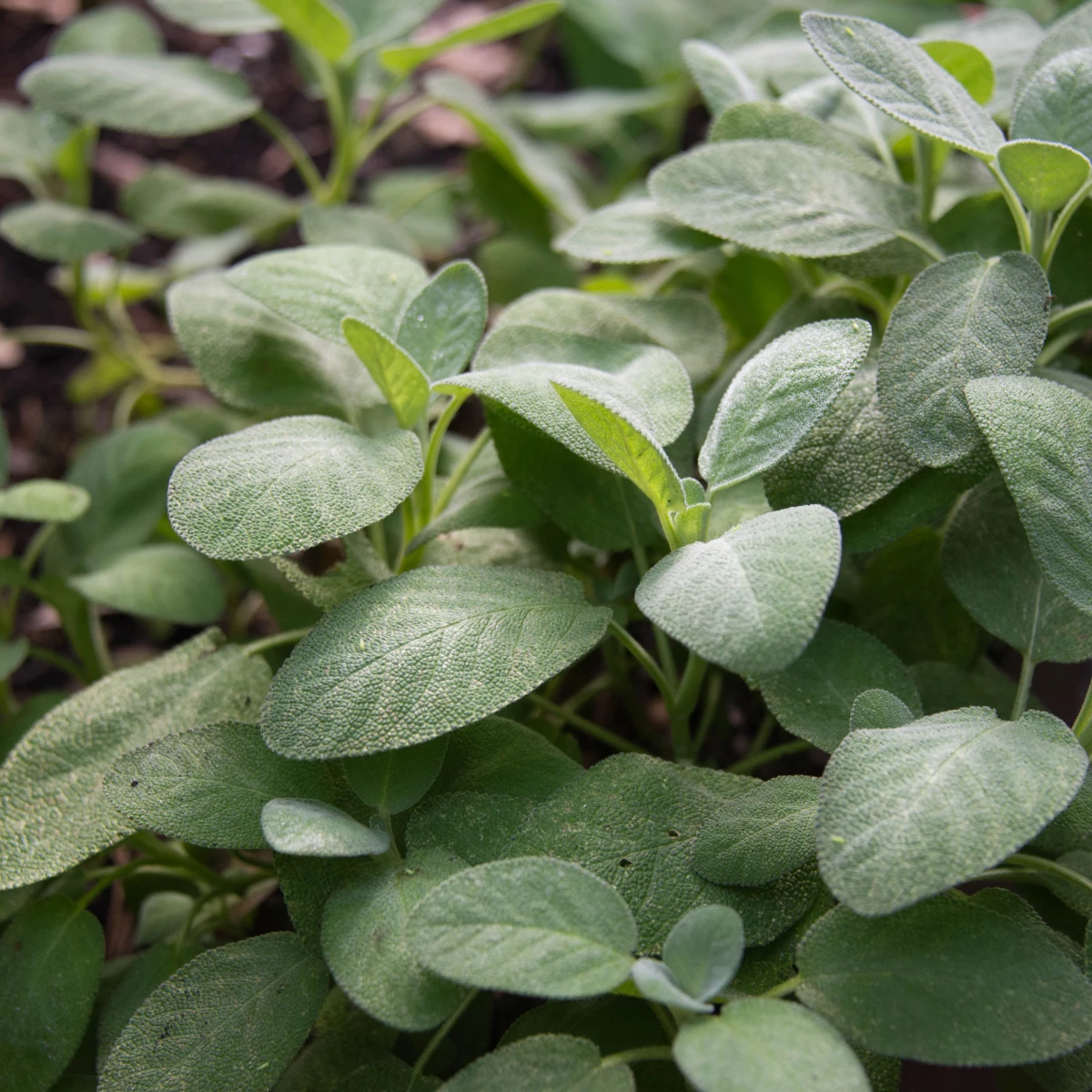
Thanksgiving Herbs: What to Grow for Turkey, Stuffing, and Sides
Obelisk Trellis for Tomatoes: 4 Reasons It Beats a Tomato Cage
Is It Too Late to Plant Something for Fall?
Gardening in October: My Kitchen Garden Checklist
Fall Herb Care Before Frost: Lavender, Thyme, Sage, and Rosemary