Join Thousands of Gardeners On the VIP List
Free perks, just for email subscribers:
- 15% Off Your First Order
- Gardening Videos & Articles
- Early Access to Sales
Sign up, check your inbox, then shop with your code.

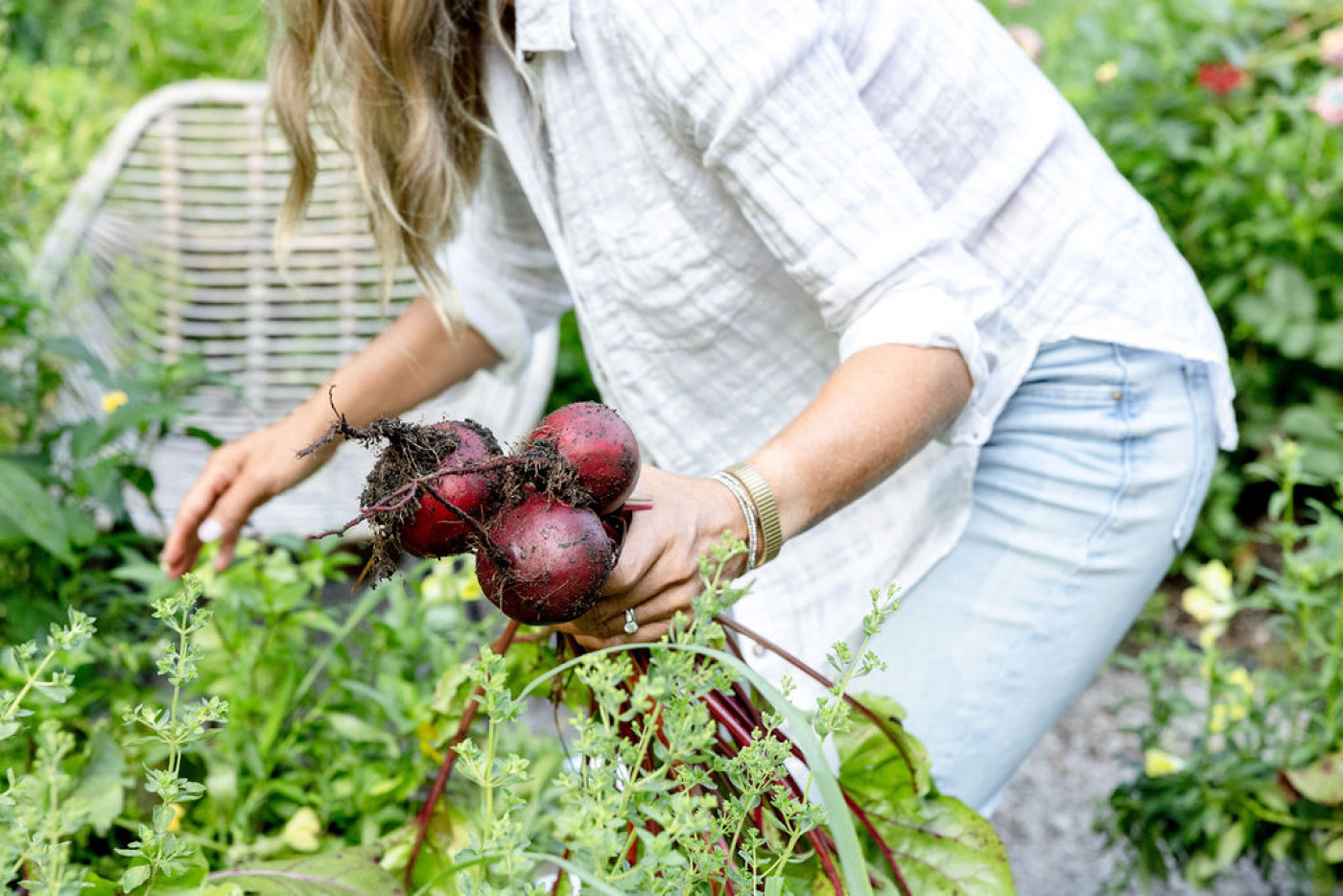
Nicole's Quick Take: It's almost never too late to plant something for fall. Find your first frost date, take the days to harvest on your seed packet, add about two weeks because plants grow slower in fall, and count back. Whatever fits that window can still go in the ground. Fast greens like arugula, spinach, and lettuce, quick roots like radishes, and garlic all go in long after most gardeners have packed up for the year.
At a Glance
- Your first frost date and each plant's days to harvest tell you whether there's still time to plant.
- Add about two weeks to a seed packet's days to maturity, since shorter, cooler fall days slow growth.
- Fast greens, radishes, and garlic can go in through October, and frost cloth or a cold frame buys you extra weeks.
By Nicole Johnsey Burke: Founder of Gardenary & Author of Kitchen Garden Revival
How Can You Tell If There's Still Time to Plant Something for Fall?
For those of us who love to step outside every day and harvest something yummy from our kitchen garden, the end of October is not the time to put our garden in hibernation mode for the winter.
There are still so many amazing things we can grow, and many plants keep going into late fall and well past the first freeze.
I'd love to give you one hard-and-fast rule, but what you can still plant depends on where you live. Back when I gardened in Chicago, my beds were under snow by November. Here in Nashville, I still have plenty of time for fast-growing, frost-tolerant plants.
The good news? Two questions will tell you exactly what to do, no matter where you garden.
Question 1: How Many Days Do You Have Before Your Season Changes?
Start by figuring out which growing season you're in and how long it has left.
The Four Growing Seasons
- Cold season: Average highs below 45°F. Frost is guaranteed.
- Cool season: Average highs between 45°F and 75°F. Frost is likely.
- Warm season: Average highs between 75°F and 85°F. No frost.
- Hot season: Average highs of 85°F and above. Nowhere close to cold.
How to Count Your Days
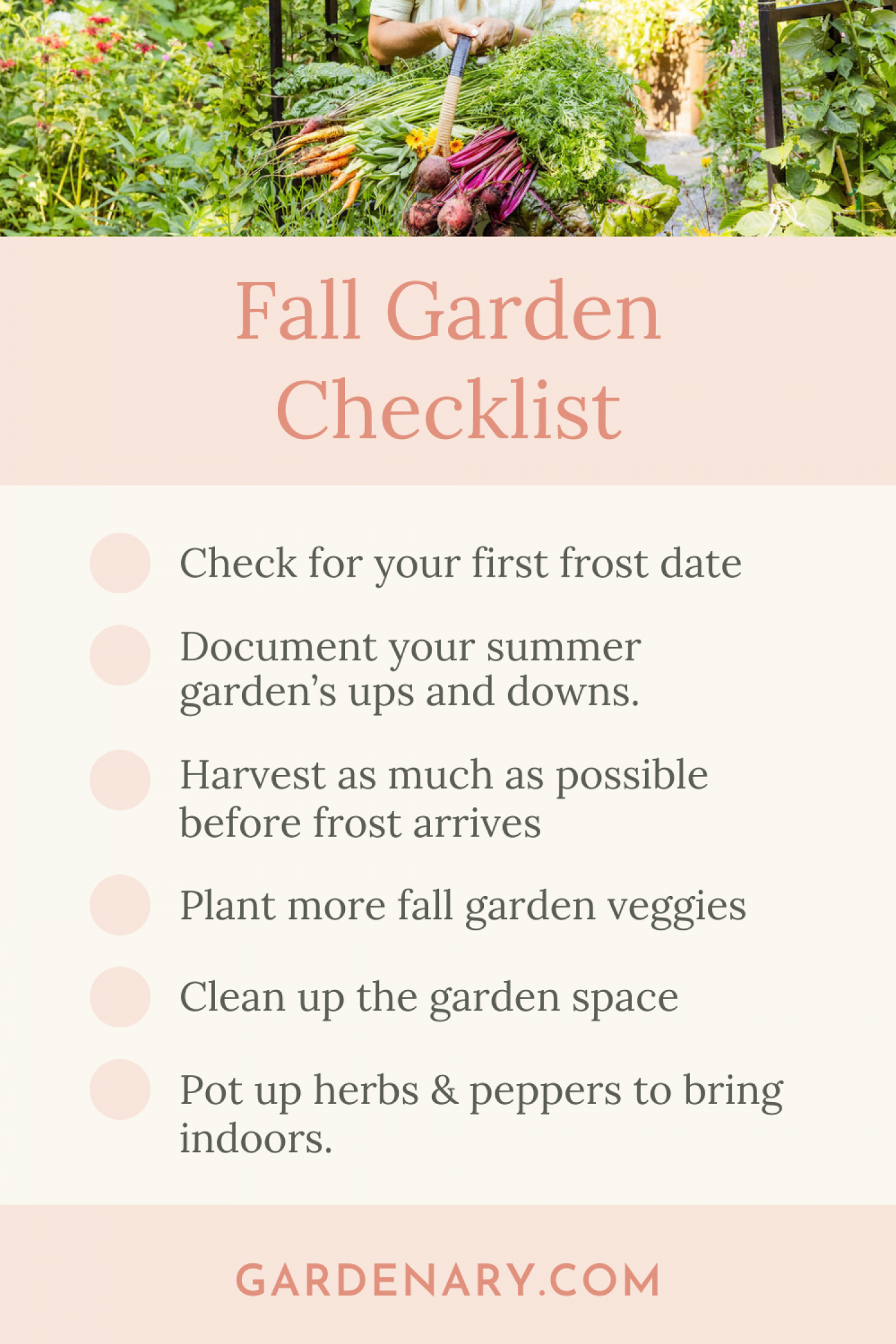
- Find your first frost date. Pop your zip code into the Gardenary Frost Date Calculator.
- Check the days to maturity on your seed packet or plant tag.
- Add about 14 days. Shorter, cooler fall days slow plants down, so fall crops usually take longer than the packet says.
- Count back from your frost date. If that day hasn't passed yet, you still have time.
My tip: Say your first frost is November 15 and your radishes take 30 days. Add two weeks and plant by October 2 to give yourself some breathing room. Frost-hardy crops like spinach and kale keep growing past your frost date, so you get even more wiggle room with them.
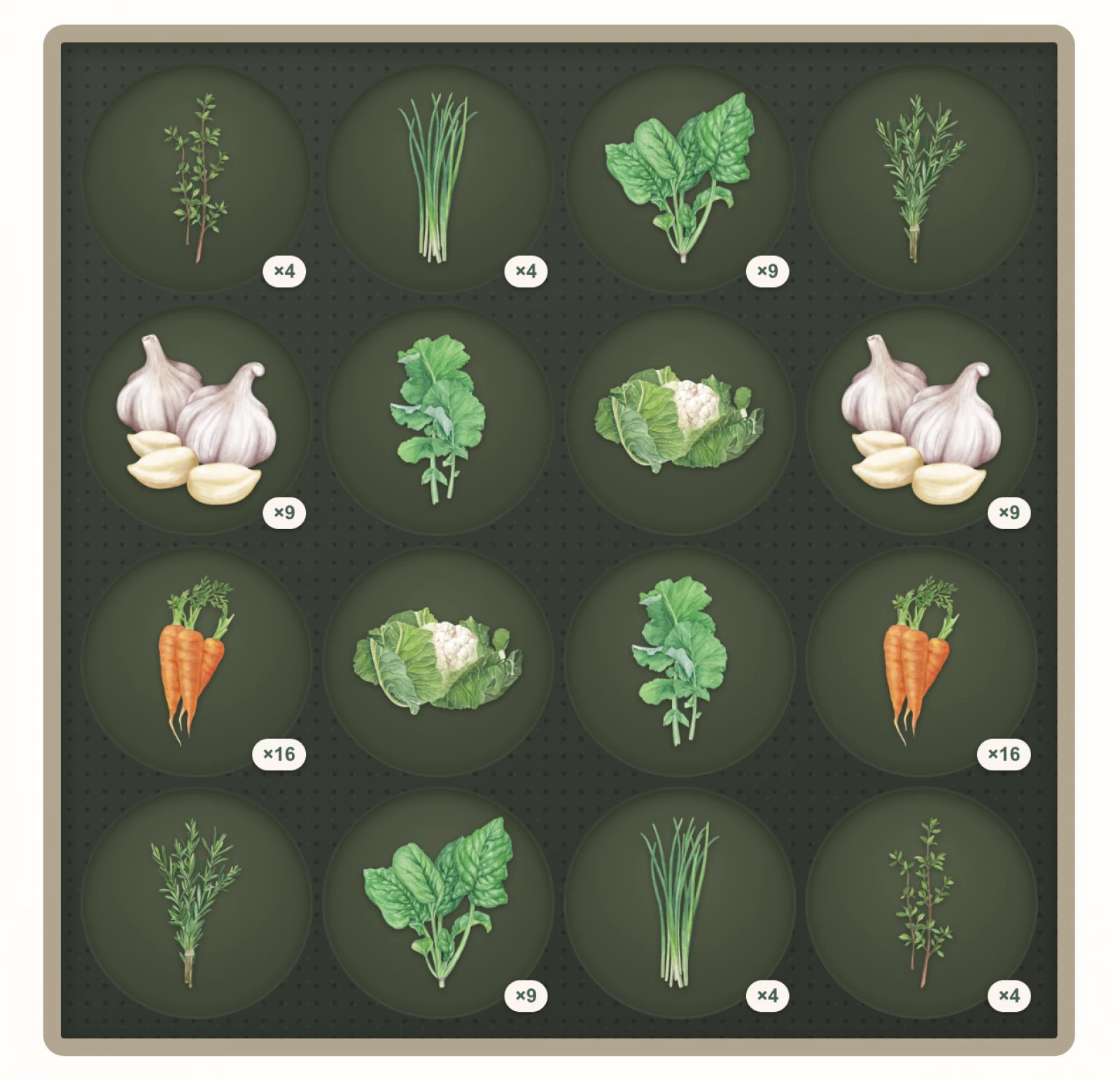
FREE PLANTING PLAN
Your planting plan, done for you.
- Visualize your planting layout
- See what to plant right now, timed to your frost dates
- Get your free plan sent straight to your inbox

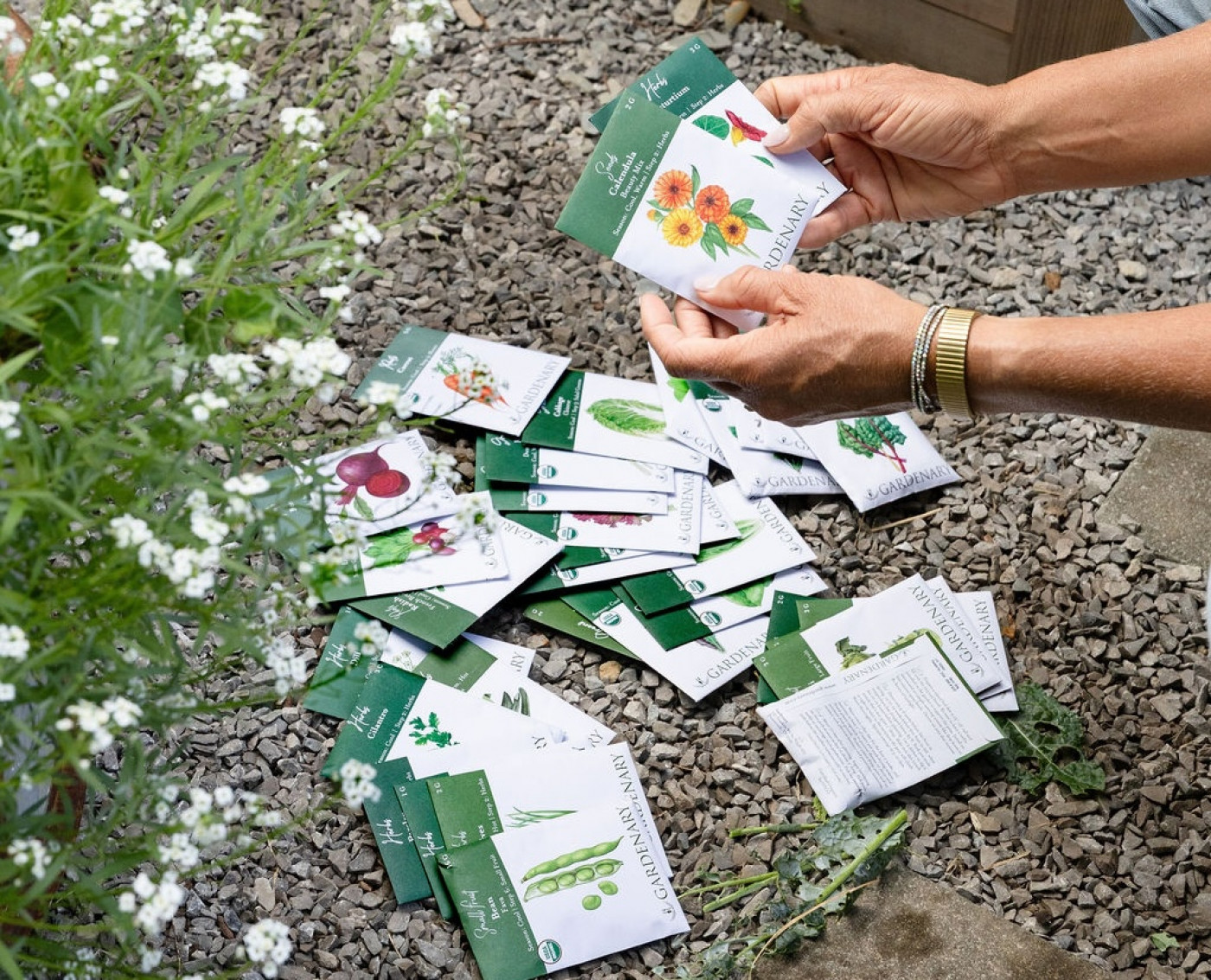
Question 2: Which Plants Can Finish in the Time You Have?
Once you know how many days you have, choose plants that can grow and produce within that window. If you're nearing the end of your season, start planting for the one that's coming next.
My favorite cool-season plants come from the lettuce family, and I usually still have time for one more round of lettuce leaves before we move fully into cold season. Check out my top ten salad greens for all the leafy green possibilities.
If You Have About a Month
- Radishes, your fastest root crop
- Arugula and mustard greens
- Baby leaves of spring mix
If You Have Six to Eight Weeks
- Spinach, kale, and Swiss chard
- Loose-leaf lettuce
- Cool-season herbs like cilantro and parsley
If Cold Season Is Coming Fast
- Garlic and members of the onion family to overwinter for next summer
- Carrots, spinach, and kale under frost cloth or a cold frame
→ Here's a helpful guide to seven fast-growing vegetables you can harvest in just 50 days.
→ Explore the best herbs to grow in the fall. If you live in a colder climate, you can pot them up and bring them inside for the winter.
→ Want a ready-made list? Here's what to plant in October for every climate.
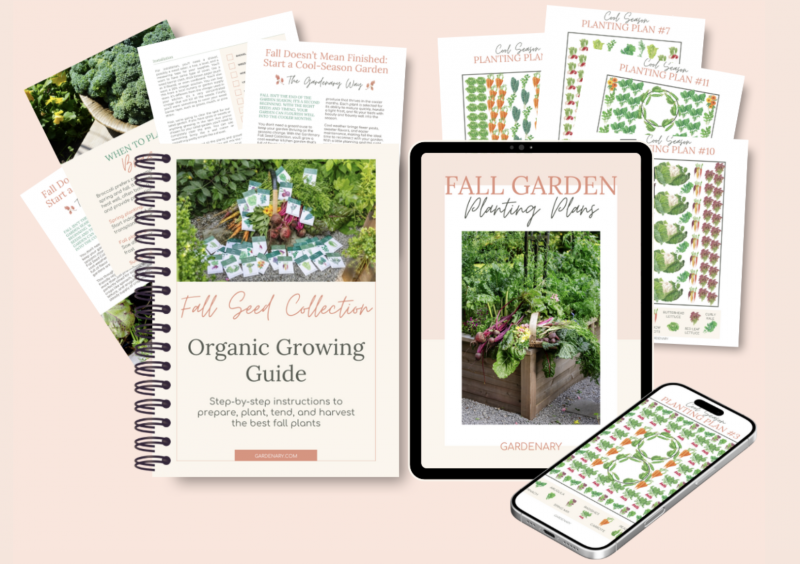
Gardenary's Fall Garden Guide
Spring gets all the attention, but fall is actually the ideal time to start your kitchen garden. Get expert guidance, done-for-you layouts, and step-by-step tips to help you plant smarter, grow healthier crops, and harvest more—right through fall.
My Tips for Planting Late in the Fall
Even in October and November, my goal is to never stop planting or growing. Here's how I give late plantings their best shot.
- Clear out what can't take frost. Pull the plants that won't survive your first frost to make room for new ones that can push on into spring.
- Top your bed with compost. A fresh inch or two feeds the next round of plants.
- Water seeds in well. Keep the soil moist for the first 7 to 10 days so seeds don't dry out before they sprout.
- Keep frost protection ready. A frost cloth or cold frame can stretch your harvest by several weeks.
- Choose transplants when time is tight. Starting from a plant instead of a seed can save you a few weeks. Here's why I make soil blocks instead of buying fall transplants.
Common Mistakes When Planting Late in the Fall
- Assuming the season is over. There's almost always something you can plant.
- Trusting the seed packet exactly. Add about two weeks for slower fall growth.
- Planting long-season crops. Tomatoes and peppers need 90 days or more. Stick with greens, roots, and garlic.
- Letting seeds dry out. Fall sun can still be strong, so water consistently until seedlings are up.
Everything You Need For Fall in One Curated Kit
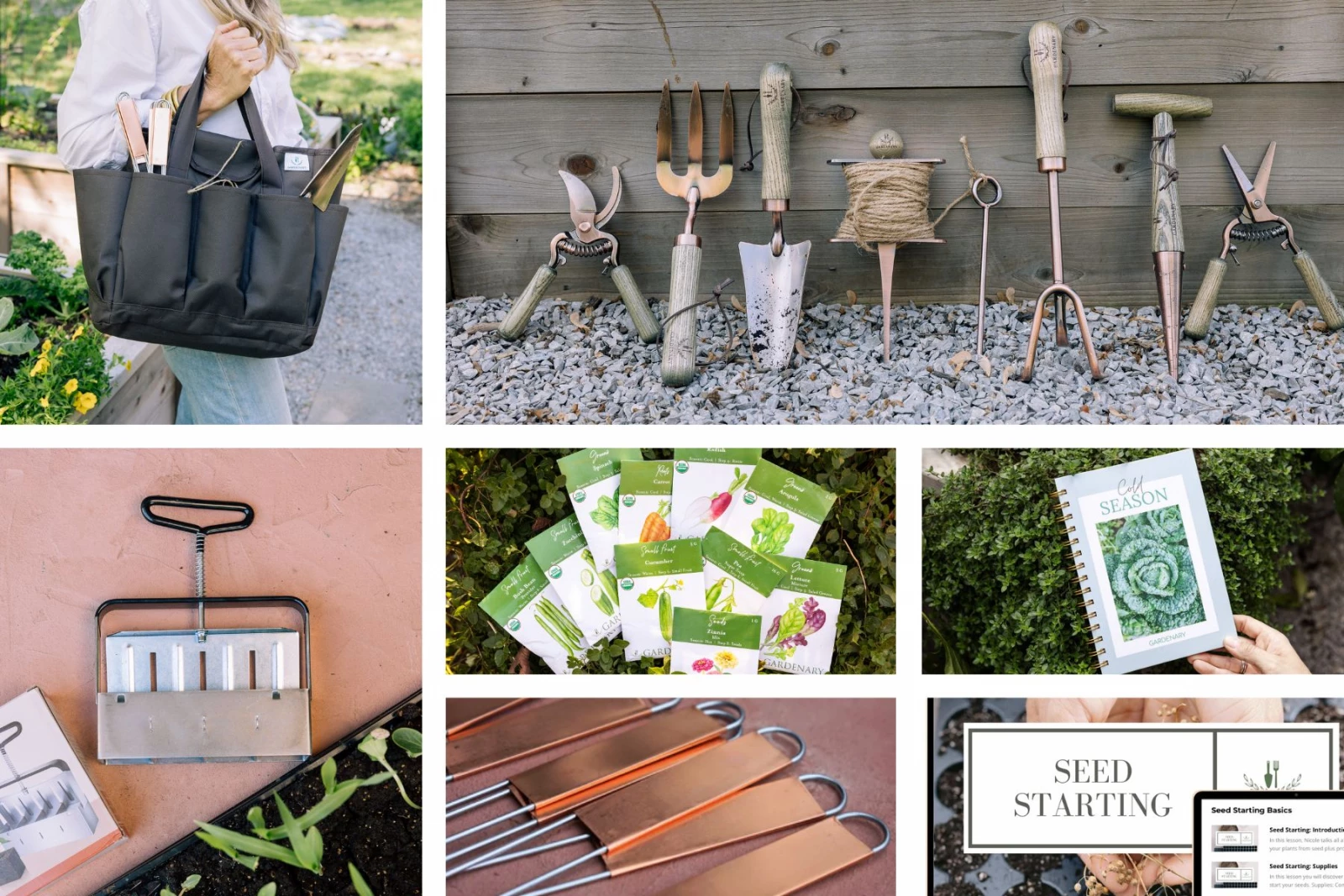
The Fall Kitchen Garden Kit
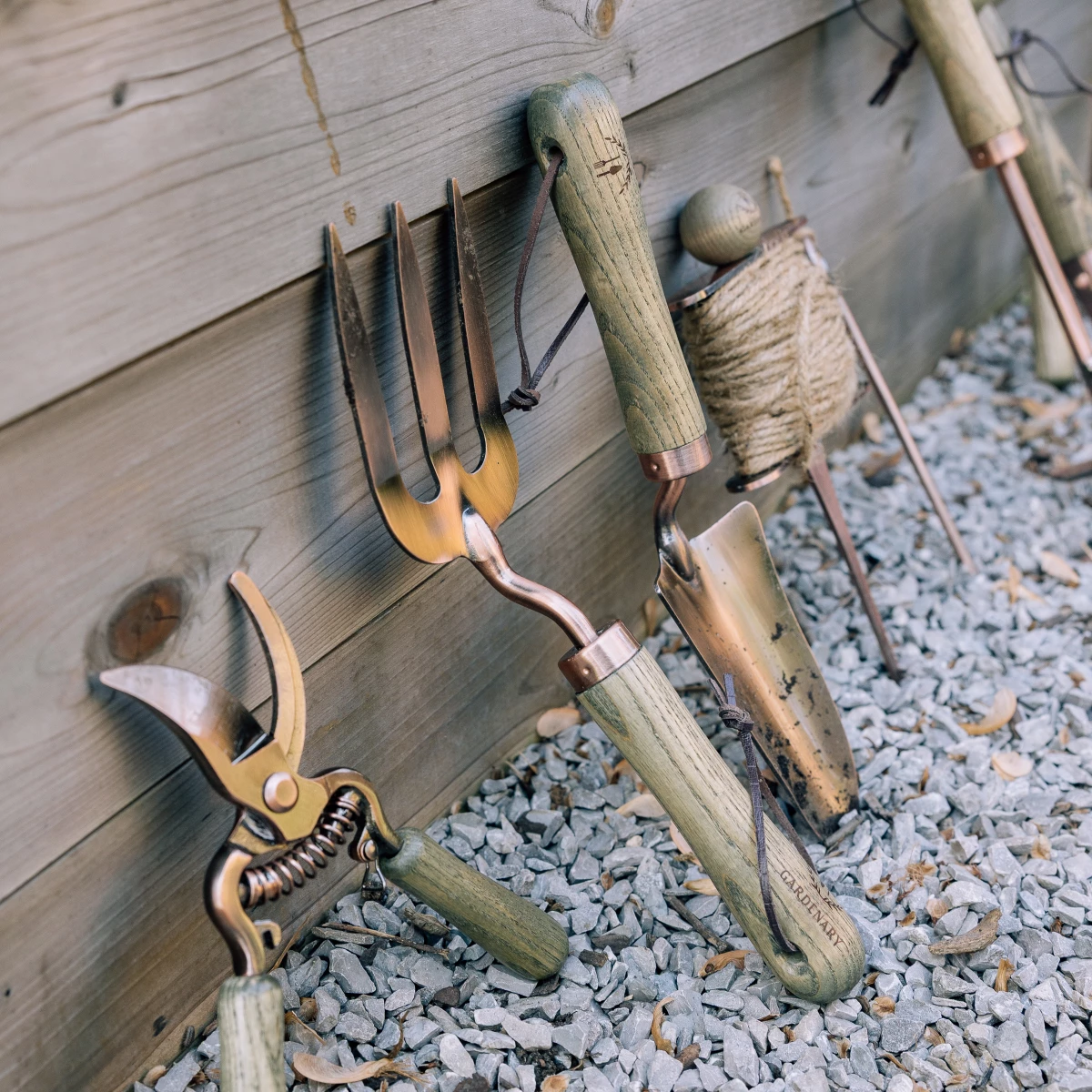
- 7-Piece Copper Tool Set
- Garden Essentials Tote Bag to keep everything organized
- Gardenary Soil Blocker for stronger roots, faster germination
- Cold Season Garden Planner with 90 in-depth activities for your fall and winter garden
- BONUS Seed Starting Course delivered digitally by email after purchase
Planting a Fall Garden Is Still Possible!
If you'd like done-for-you layouts, our Fall Planting & Growing Guide has growing guides and planting plans for your fall garden. And if you're into planners, we made the Cool Season Garden Planner to walk you through the cool season, step by step.
Whatever you grow in your garden, don't grow alone! We're here to help you have confidence and find success in the garden every step of the way, rain or shine, frost or scorching heat.
Here's to maximizing our growing time this fall!

Fall Planting FAQs
Is it too late to plant vegetables in October?
Usually not. Fast crops like radishes, arugula, and spinach can still mature in October in most climates, and garlic should go in from mid-October through early November. Check your first frost date and count back from it to know for sure. Here's what to plant in October for every climate.
How do I know if I have enough time to plant before frost?
Find your first frost date with the Gardenary Frost Date Calculator, take the days to maturity from your seed packet, and add about 14 days for slower fall growth. If that many days remain before frost, you have time to plant.
What can I plant in November?
In mild and warm climates, keep sowing lettuce, spinach, arugula, and radishes. In colder areas, plant garlic before the ground freezes and sow carrots or spinach under frost cloth so they sprout early in spring.
What vegetables can survive frost?
Kale, spinach, Swiss chard, carrots, beets, cabbage, and garlic all handle light frost, and many taste sweeter after a frost. Cover them with frost cloth when temperatures drop into the 20s.
Should I plant seeds or transplants this late in the season?
Transplants are the safer choice when time is short because they skip the germination stage and can be harvested weeks sooner. Quick crops like radishes and arugula still do well from seed.
What do I need to start a fall garden right now?
The Fall Kitchen Garden Kit brings together the Gardenary Copper Plated Garden Tool Set, the Garden Essentials Tote Bag, the Gardenary Soil Blocker, and the Cold Season Garden Planner, so you can start planting this week.


Keep Reading
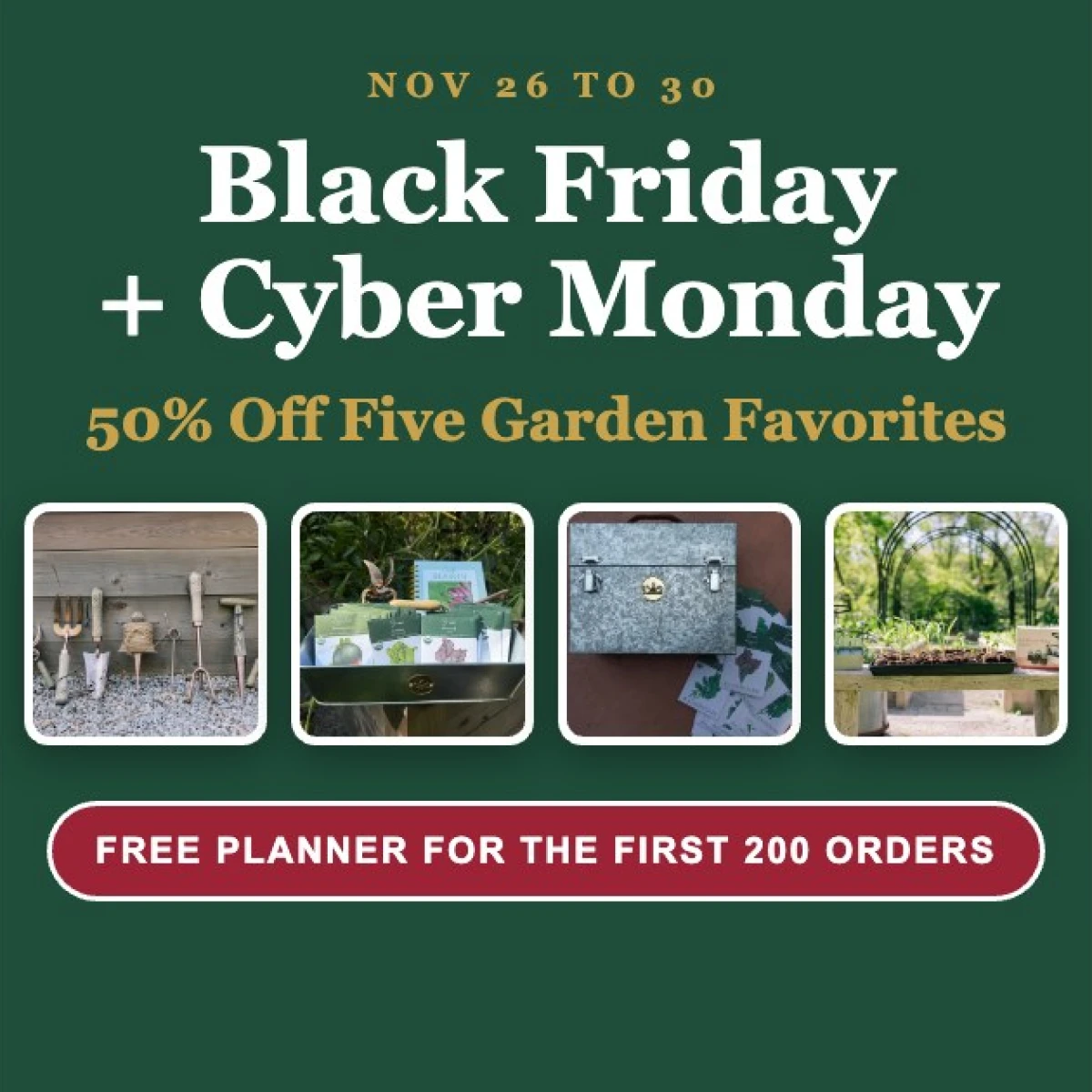
Black Friday + Cyber Monday At Gardenary: 50% Off Five Garden Favorites
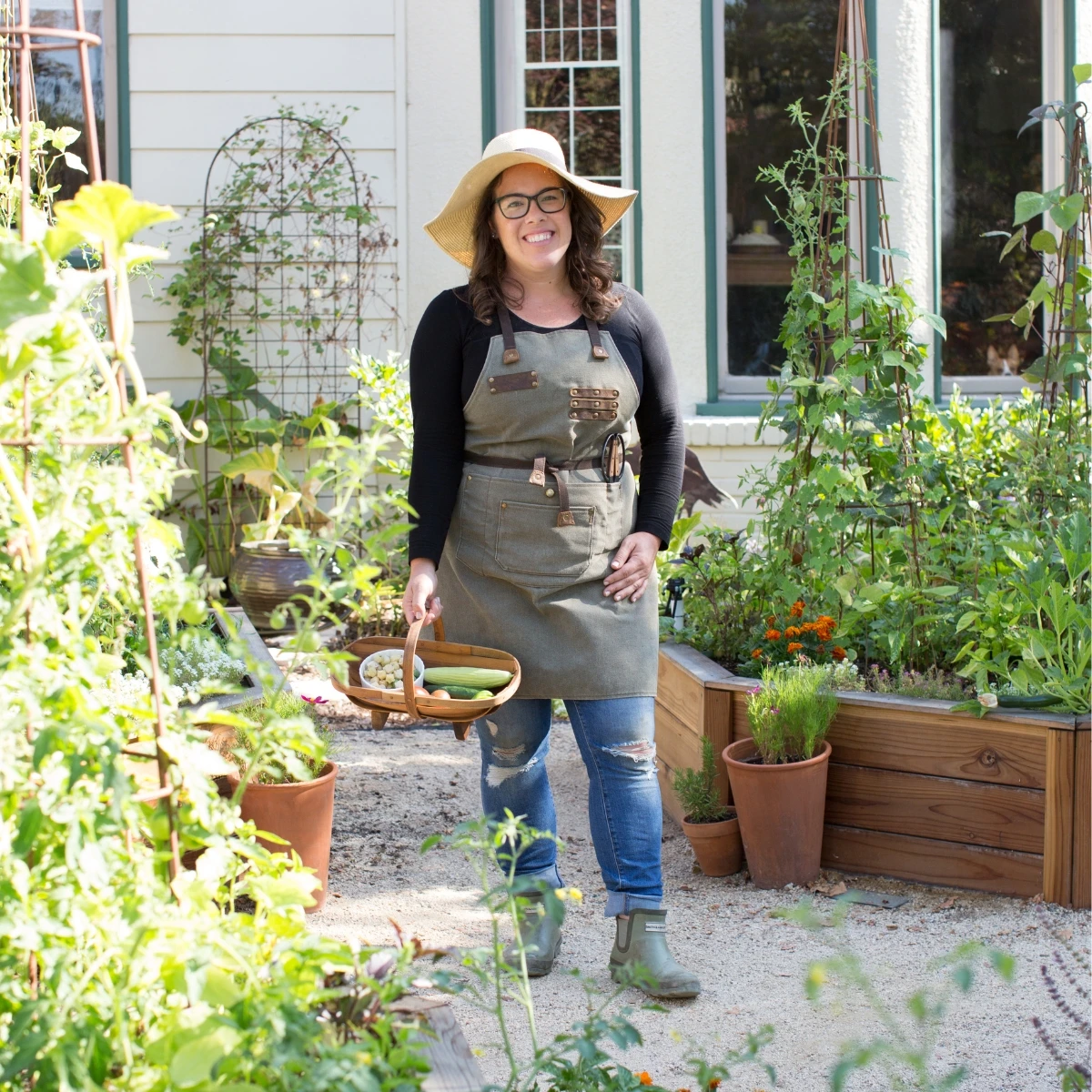
How to Build Recurring Income With a Garden Business: 10 Lessons From Ashley Irene
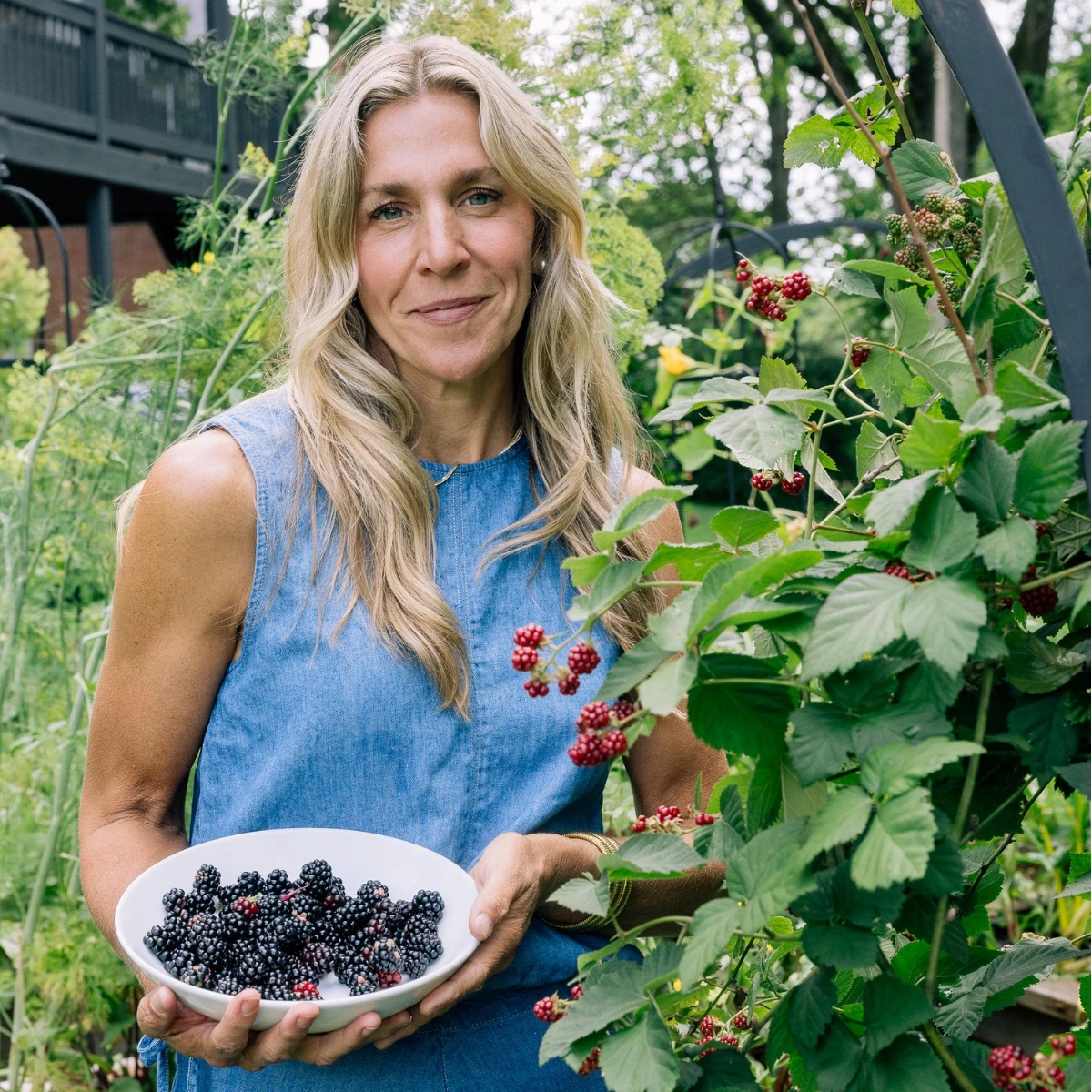
How to Grow Blackberries in Your Backyard: The 5-Step Trellis Method
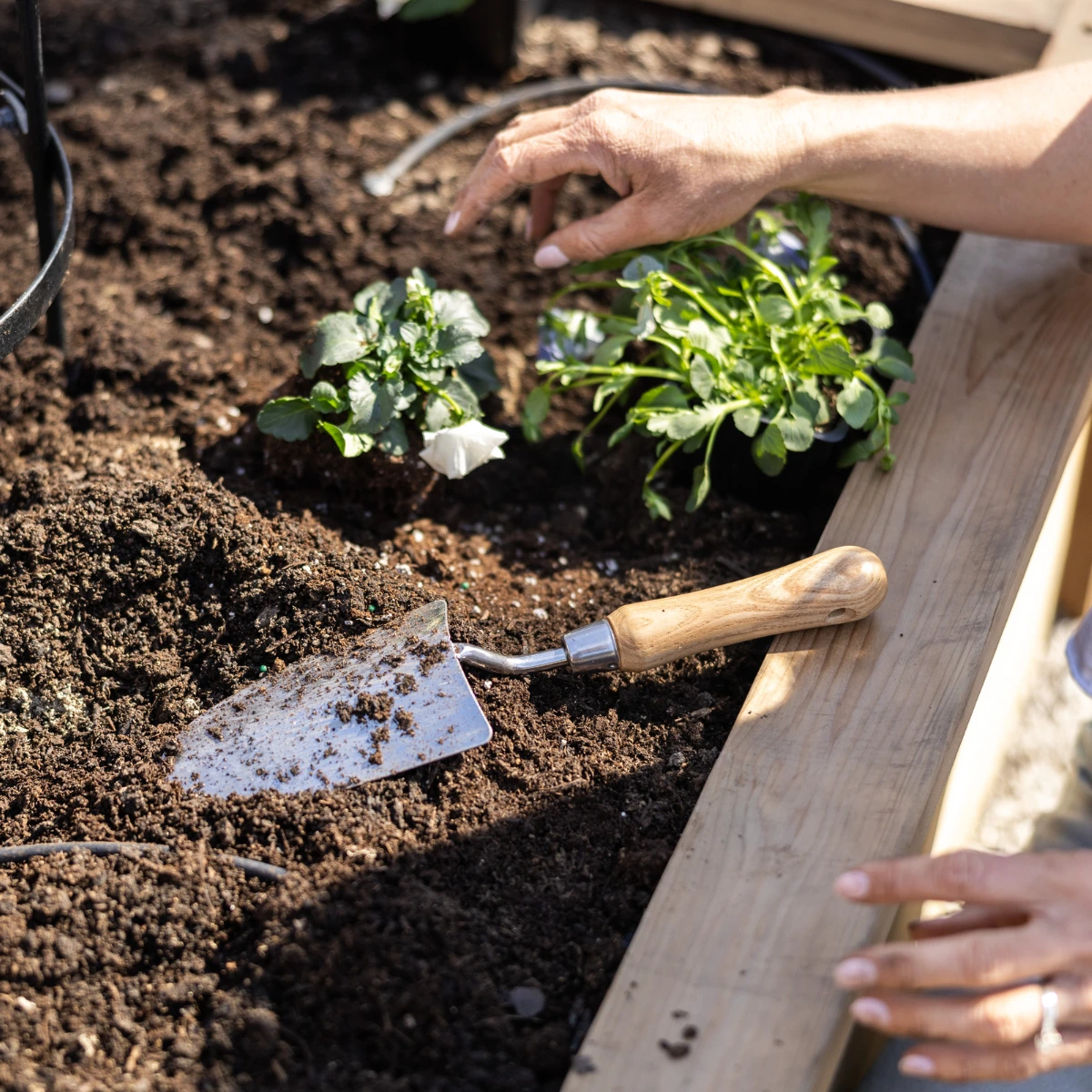
How to Clean Garden Tools in the Fall (and Keep Rust Away)
How to Keep Deer Out of Your Garden This Fall (Naturally)