Nicole's Quick Take: Frost doesn't ruin your fall vegetables. It improves them. When temperatures drop, plants like kale, carrots, and parsnips convert stored starches into sugar to protect their cells from freezing, and that same process makes them noticeably sweeter. The vegetables on this list get better the longer you leave them out there.
At a Glance
- Ten fall crops, from leafy greens to root vegetables, actually improve in flavor after one or more frosts.
- The change is chemical, not folklore: plants convert starch into sugar as a defense against freezing, and sugar tastes sweet.
- Root crops show the most dramatic shift, but leafy greens and brassicas get noticeably milder and less bitter too.
By Nicole Johnsey Burke: Founder of Gardenary & Author of Kitchen Garden Revival

The Science of Frost (Why I Stopped Rushing to Harvest)
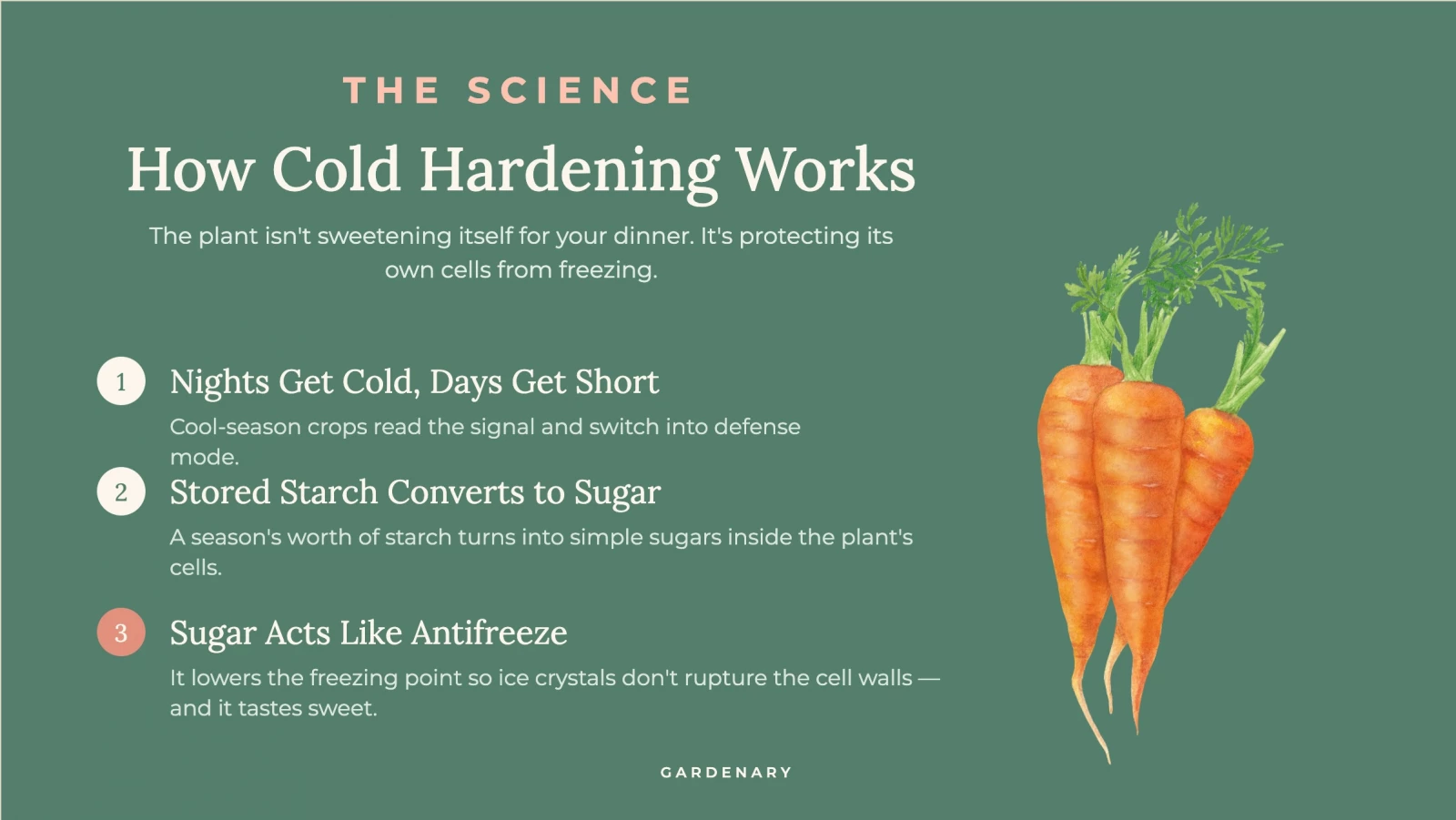
Here's the science, in plain terms. Cold-hardy vegetables have a built-in defense mechanism called cold hardening, and it's the whole reason this list exists.
- As nights get colder and days get shorter. These plants start converting the starches they've stored up all season into simple sugars.
- That sugar acts like antifreeze inside the plant's cells, lowering the freezing point of the liquid inside them so ice crystals don't form and rupture the cell walls.
- The plant isn't doing this for your dinner. It's doing it to survive. When roots are exposed to cool temperatures, plant starches convert into sugars, which is exactly why root crops taste sweetest after a frost, not before one.
- The side effect for us is real: less bitterness, rounder flavor, and in root crops especially, a jump in sweetness you can taste in one bite.
- Not every vegetable does this. Tender, warm-season crops like tomatoes and basil just die. The cool-season crops on this list are built for exactly this moment.

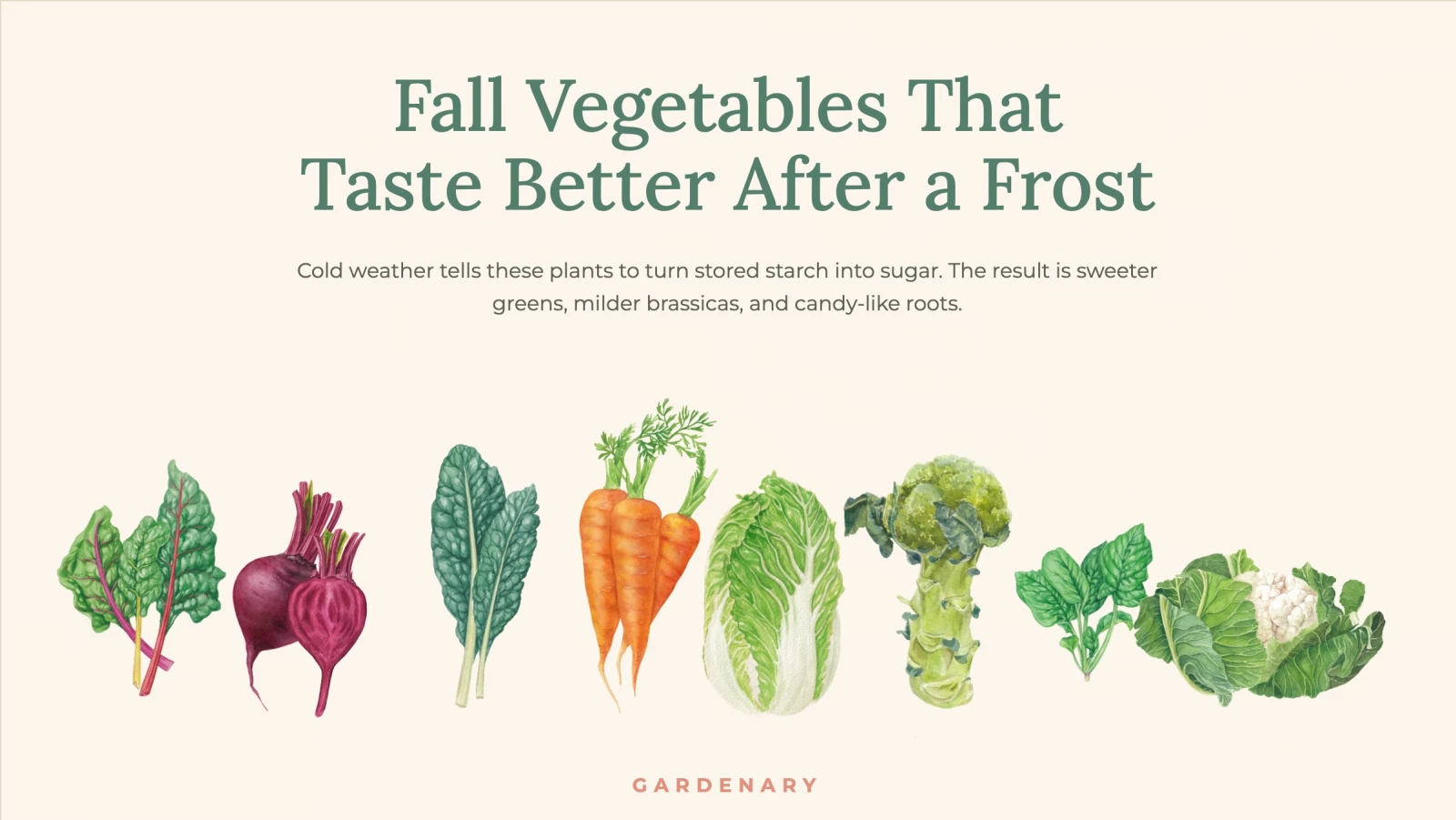
10 Fall Vegetables That Taste Better After a Frost
1. Kale
Kale is the most dramatic example of this whole phenomenon. Summer kale can taste tough and a little bitter, but the same plant after two or three frosts turns tender and noticeably sweet, almost nutty. I always tell people who think they don't like kale that they've probably only had it in July. Give it a frost or two before you harvest, and you'll understand the fuss. Curly and dinosaur kale both hold up beautifully in the cold. Here's my complete guide to growing organic kale if you want to get a fall crop going.
Taste before frost: Tough and a little bitter.
Taste after frost: Tender, sweet, almost nutty.
2. Spinach
Spinach is one of the most frost-hardy leafy greens you can grow, and a light freeze genuinely sweetens the leaves. It's subtle compared to kale, but you'll notice less of that mineral, slightly bitter edge that raw spinach can have in warm weather. I always plant a fall round specifically to harvest after the first cold snap. Find the full how-to in my guide to growing organic spinach.
Taste before frost: Mineral, slightly bitter edge.
Taste after frost: Milder and noticeably sweeter.
3. Swiss Chard
Swiss chard can handle frost after frost and just keeps producing, and the leaves get milder and more tender the colder it gets. This is one of those plants that looks like it should be delicate (all those jewel-toned stems) but is actually one of the toughest things in my garden well into winter. Learn how to grow your own Swiss chard from seed.
Taste before frost: Earthy with a slightly tough bite.
Taste after frost: Milder, more tender, rounder flavor.
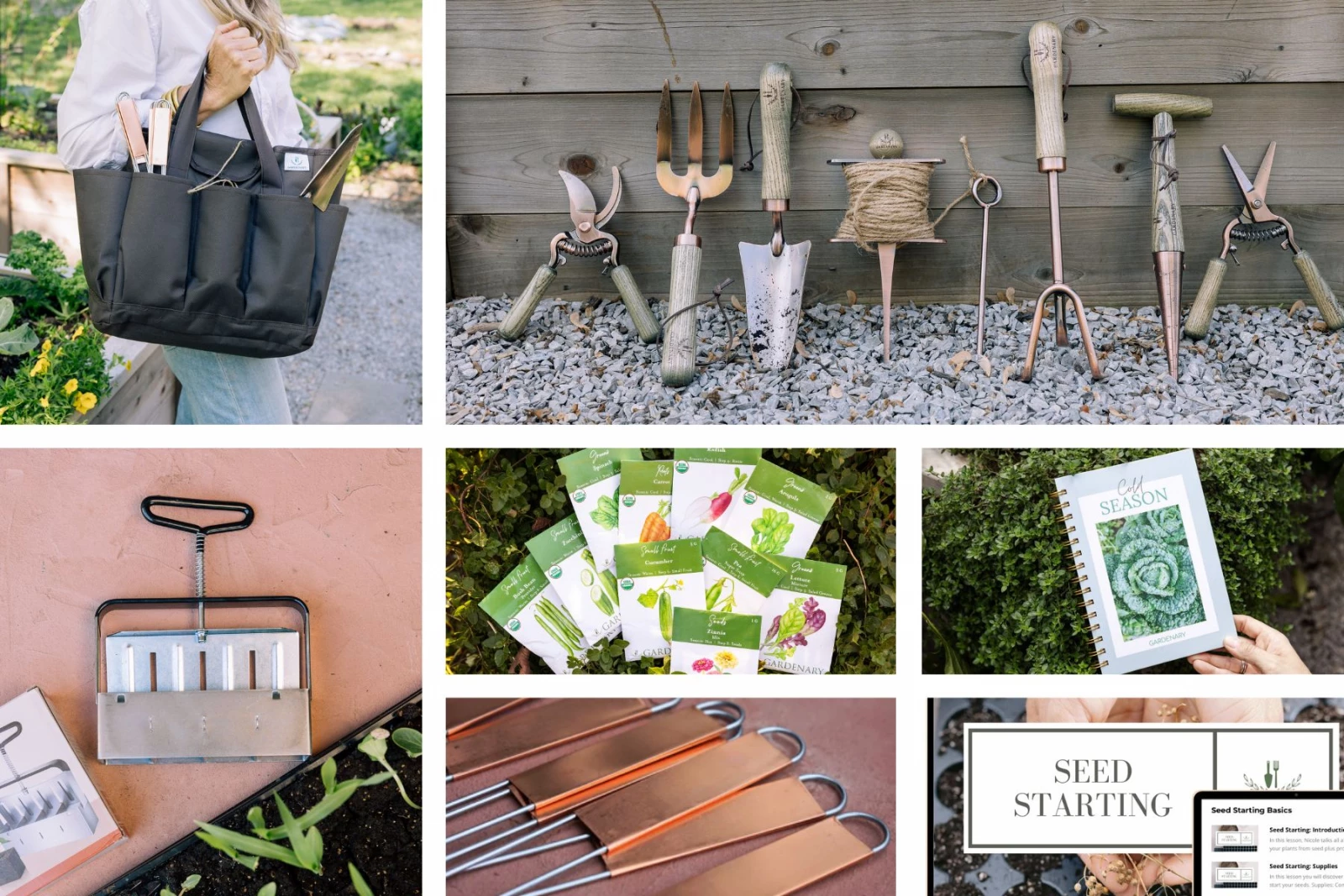
Everything You Need For Fall in One Curated Kit
The Fall Kitchen Garden Kit
- 7-Piece Copper Tool Set
- Garden Essentials Tote Bag to keep everything organized
- Gardenary Soil Blocker for stronger roots, faster germination
- Cold Season Garden Planner with 90 in-depth activities for your fall and winter garden
- BONUS Seed Starting Course delivered digitally by email after purchase
4. Carrots
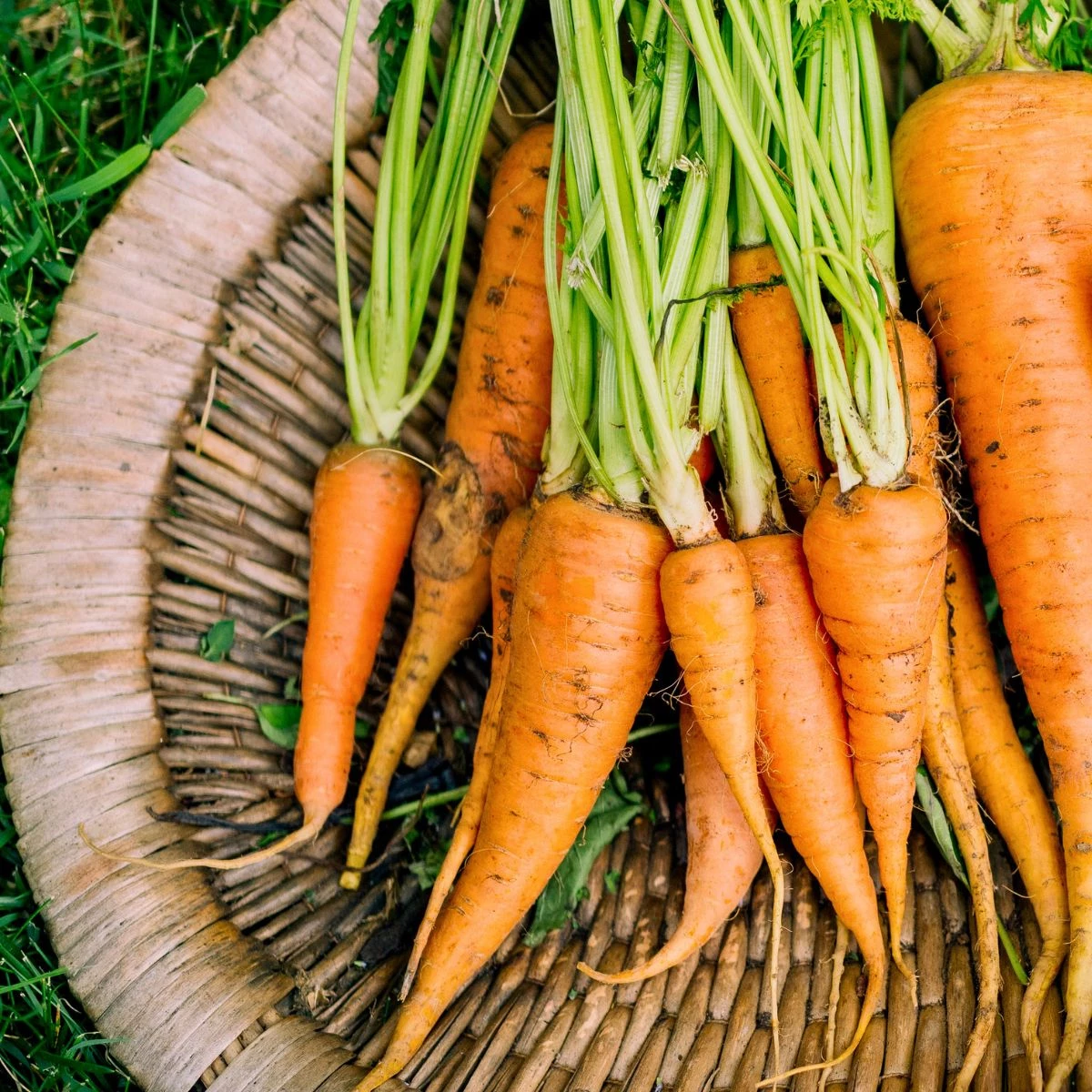
Carrots are the classic frost-sweetened vegetable, and for good reason. Leave them in the ground through a light freeze and the taproots convert stored starch into sugar right where you can taste it. Homegrown carrots pulled after a frost taste almost like candy compared to the same carrot pulled in September. Get the details on how to grow organic carrots in a raised bed.
Taste before frost: Mild, more starchy than sweet.
Taste after frost: Noticeably sweeter, almost candy-like.
5. Parsnips
If you only try this list on one vegetable, make it parsnips. This one might be the winner for the most dramatic shift in sweetness.
They're genuinely unpleasant, almost woody and bland, if you pull them before a frost. But leave them in the ground through a few hard freezes, and they turn sweet, nutty, and complex. Parsnip flavor isn't even fully developed until the roots have been exposed to near-freezing temperatures for two to four weeks, so patience really is the whole game with this one. Parsnips grow the same way carrots do; find the setup details in my guide to growing root crops.
Taste before frost: Woody, bland, almost unpleasant.
Taste after frost: Sweet, nutty, and complex.
6. Turnips
Turnips can taste sharp and a little bitter when pulled in warm weather, which is probably why so many people think they don't like them. A light frost mellows that sharpness out and boosts the sugar content significantly. I always tell first-time turnip growers to be patient and let the cold do its work.
Taste before frost: Sharp and a little bitter.
Taste after frost: Mellow and noticeably sweeter.
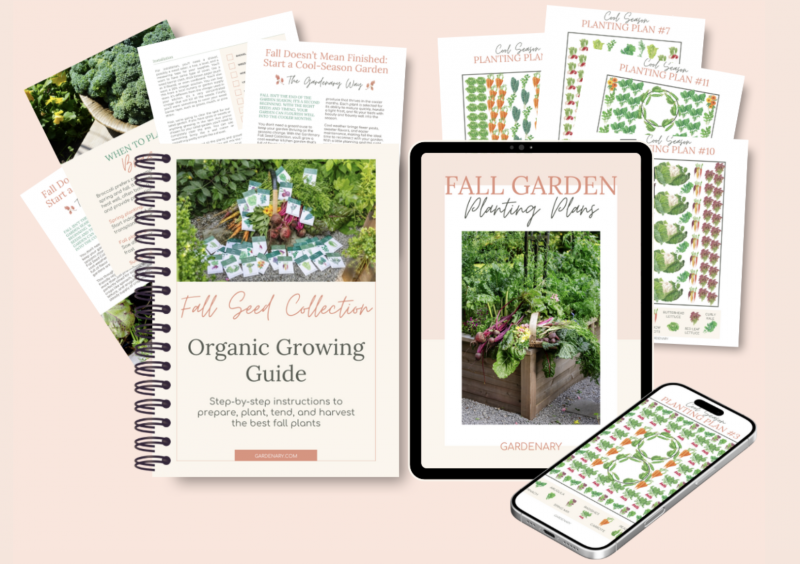
Gardenary's Fall Garden Guide
Spring gets all the attention, but fall is actually the ideal time to start your kitchen garden. Get expert guidance, done-for-you layouts, and step-by-step tips to help you plant smarter, grow healthier crops, and harvest more—right through fall.
7. Beets
Beets follow the same root-crop pattern as carrots and turnips. Cold soil signals the plant to start converting starch to sugar, and beets pulled after a frost taste rounder and less earthy than the same beets harvested in early fall. Just make sure to get them up before the ground actually freezes solid. Full details in the complete guide to growing beets.
Taste before frost: Earthy, sometimes a little sharp.
Taste after frost: Rounder, sweeter, less earthy.
8. Cabbage
Cabbage handles frost well, and the flavor genuinely improves with it, especially in Savoy and other crinkle-leaf varieties. The leaves get crisper and sweeter, with less of that raw, peppery bite cabbage can have in warmer weather. This is part of why coleslaw made from a fall cabbage tastes so different from a summer one. See my full guide to growing cabbage.
Taste before frost: Raw, with a peppery bite.
Taste after frost: Crisper and sweeter.
9. Broccoli
Broccoli doesn't mind frost at all, and the heads taste noticeably sweeter after exposure to cold. Some of the outer leaves might get a little frost-burnt looking, but don't let that fool you into pulling the plant early. I plant mine in late summer specifically, so I'm harvesting through the first frosts of the season. Learn the full process in how to grow organic broccoli.
Taste before frost: Standard, slightly grassy bite.
Taste after frost: Noticeably sweeter.
10. Cauliflower
Cauliflower is pickier about temperature than its brassica cousins, but a light frost still rounds out the flavor and takes some of the edge off its natural bitterness. Just don't let a hard freeze catch a head that's still forming, since cauliflower doesn't bounce back the way broccoli does. Get the full rundown in how to grow organic cauliflower.
Taste before frost: Mild with a slight bitter edge.
Taste after frost: Rounder and less bitter.
The Fine Line Between Frost-Sweetened and Frost-Damaged
A light frost is a gift. A hard, prolonged freeze is a different story.
- Watch the depth of the freeze, not just the date. A light frost in the high 20s to low 30s Fahrenheit triggers the sugar conversion you want. A hard freeze well below that, especially one that lasts for hours, can actually damage plant tissue faster than the sugars can protect it.
- Root crops are more forgiving than leaves. Carrots, parsnips, turnips, and beets are insulated by the soil around them, so they can handle repeated hard freezes as long as the ground itself doesn't freeze solid. Leafy greens sitting fully exposed to the air are more vulnerable.
- Don't wait too long on leafy crops. Kale, spinach, and chard will keep improving through several frosts, but once leaves turn mushy or translucent instead of just wilted, that plant has taken real damage and the flavor benefit is gone.
- A hard freeze warning means it's time to harvest, not wait. If your forecast shows a deep freeze coming (I'm talking about mid-20s or lower for several hours), get your root crops up and your leafy greens cut. You can always store what you harvest; you can't undo frost damage.
Once you've got a big fall haul on your hands, having the right tools on you (not buried in a shed) makes a real difference.
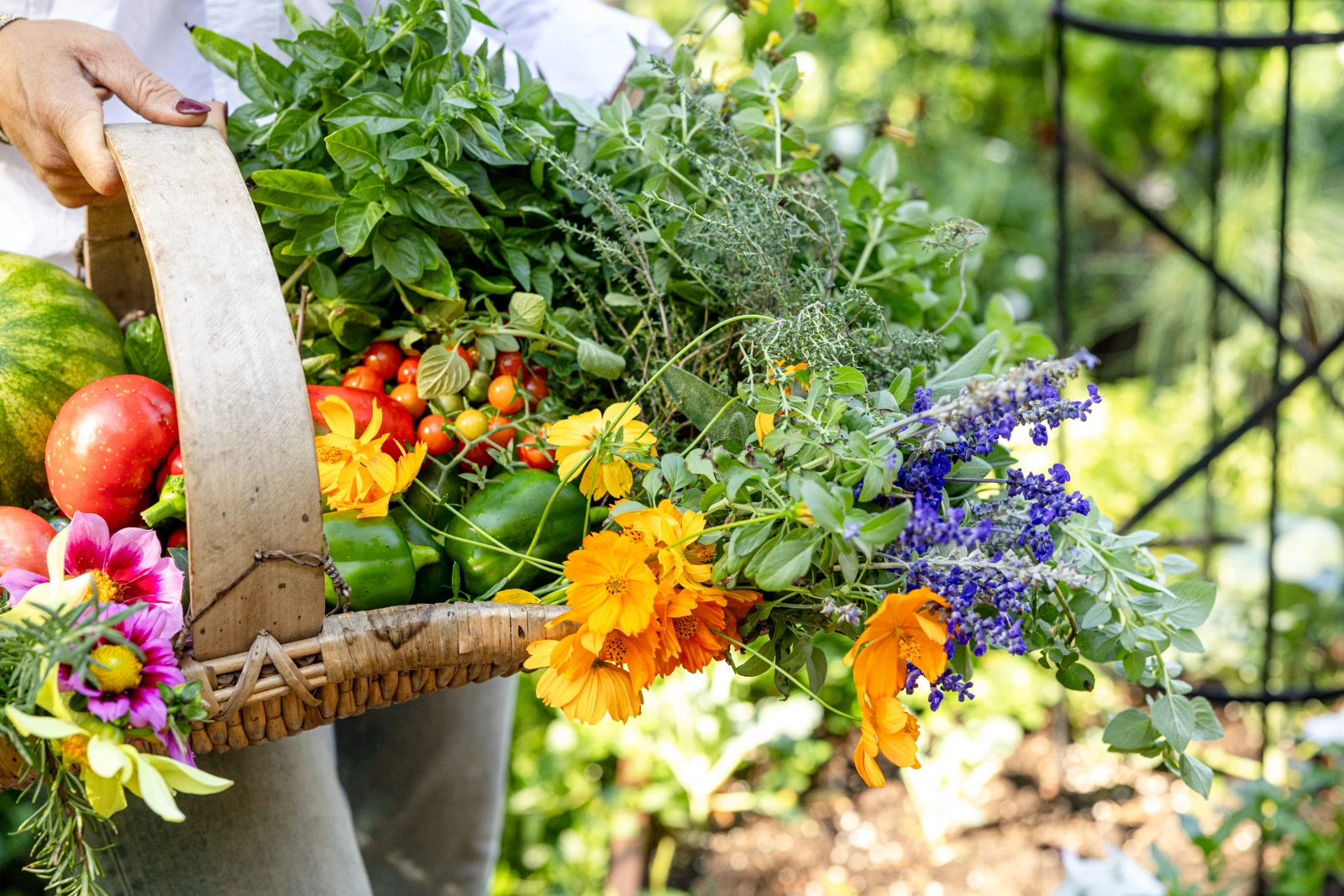
I keep my Copper Plated Garden Tool Set and my Garden Essentials Tote Bag by the back door specifically for when I'm ready to harvest.
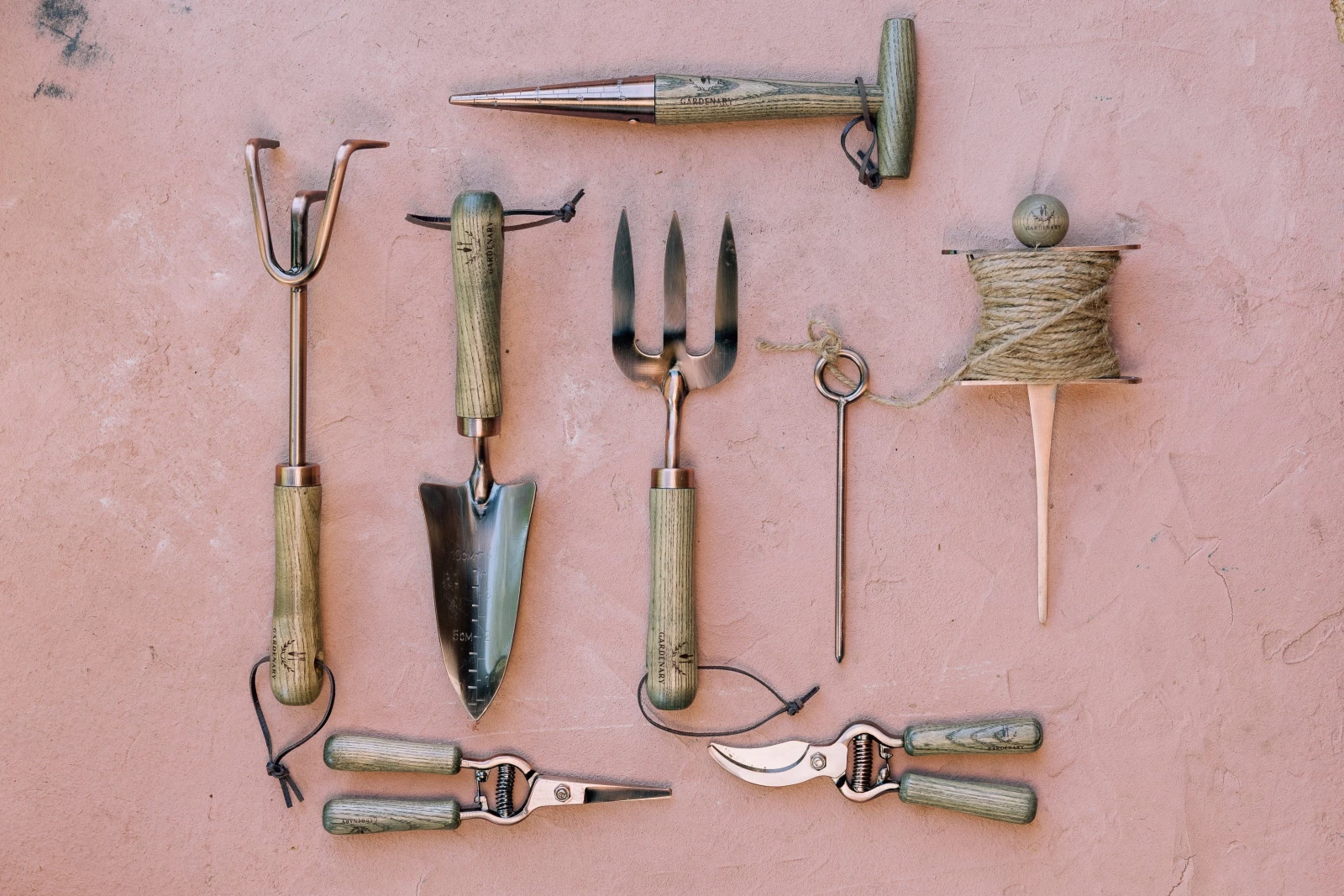
7 Tools, Beautifully Designed
The tool set gardeners actually want, made from carbon steel with an ash wood handle and a warm copper finish.
- Bypass pruner for clean, precise harvest cuts
- Needlenose pruner for detail work in tight spaces
- Transplanting shovel for seedlings and planting holes
- Dibber for perfectly spaced seed sowing
- Cultivator for loosening soil and clearing debris
- Hand fork for weeding and working around established plants
- Row marker & planting line for straight, intentional rows
All in a gift box, ready to use.
Quick Answers on Frost and Flavor
Why do vegetables taste sweeter after a frost?
Cold-hardy plants convert stored starches into sugar as a natural defense against freezing. That sugar lowers the freezing point of the liquid inside plant cells, and as a side effect, it makes the vegetable taste noticeably sweeter.
How long should I leave vegetables in the garden after a frost?
For leafy greens, one to three light frosts is usually enough to notice a flavor change. For root crops like parsnips, extension research points to two to four weeks of near-freezing soil temperatures for the full sweetness to develop.
Do tomatoes and peppers get sweeter after frost too?
No. Warm-season crops like tomatoes, peppers, cucumbers, and basil don't have this cold-hardening ability and will be damaged or killed by frost, so those should be harvested before it arrives.
Can I leave carrots in the ground all winter for the best flavor?
In many climates, yes, as long as the ground doesn't freeze solid. A thick layer of mulch over the bed can protect the roots and let you keep harvesting sweeter carrots well into winter.
What tools do I need to harvest my fall garden after a frost?
A sharp pair of pruners and a sturdy basket or bag are really all you need. Gardenary's Copper Plated Garden Tool Set and Garden Essentials Tote Bag are designed to make a big fall harvest day easy to carry out in one trip.
Become a Gardenary VIP!
FREE PERKS, just for email subscribers:
- Coupons & discount codes
- Gardening tips
- Videos
- Insider news
↓ ENTER YOUR EMAIL BELOW! ↓
Join The List!
Thousands of gardeners are already receiving perks on the VIP list!
Keep Reading
Fall Vegetables That Taste Better After a Frost (And the Science Behind It)
Why Arugula Is the Easiest Fall Crop to Grow (And How to Keep It Producing)

How Lauren Almquist Turned Her Herbalism Practice Into a Real Business With Garden Coach Academy
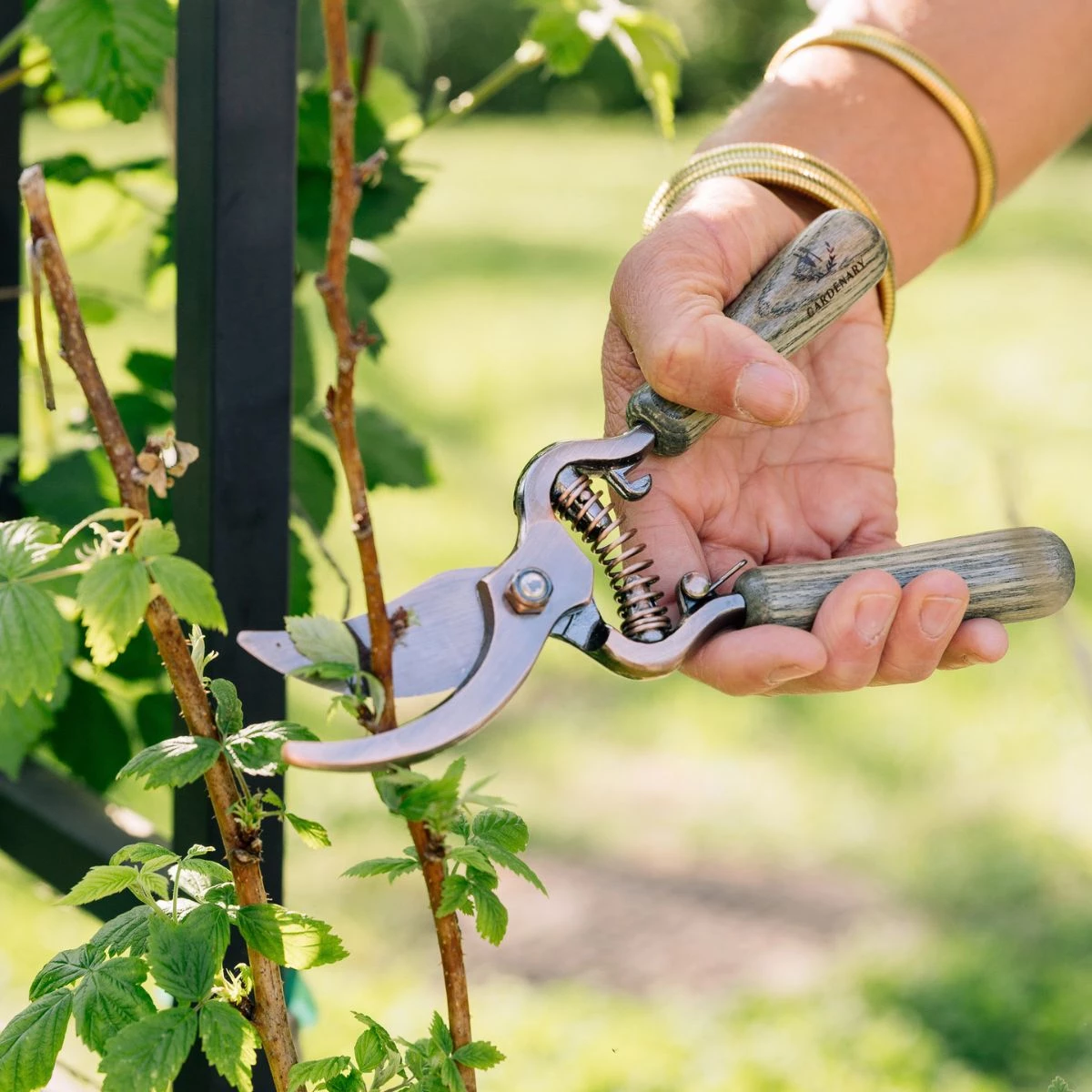
Where to Buy Beautiful Garden Tools for Women
The Complete Guide to Growing & Harvesting Organic Peas
Why You Want More Bugs in Your Garden, Not Less
Sources
- "Root Vegetables" — University of Illinois
- "Parsnip" — University of Illinois
- "Brassica oleracea Kale Group" — NC State Extension Gardener Plant Toolbox
- "Parsnips" — University of Massachusetts Amherst, Center for Agriculture, Food, and the Environment