
Join Thousands of Gardeners On the VIP List
Free perks, just for email subscribers:
- 15% Off Your First Order
- Gardening Videos & Articles
- Early Access to Sales
Sign up, check your inbox, then shop with your code.

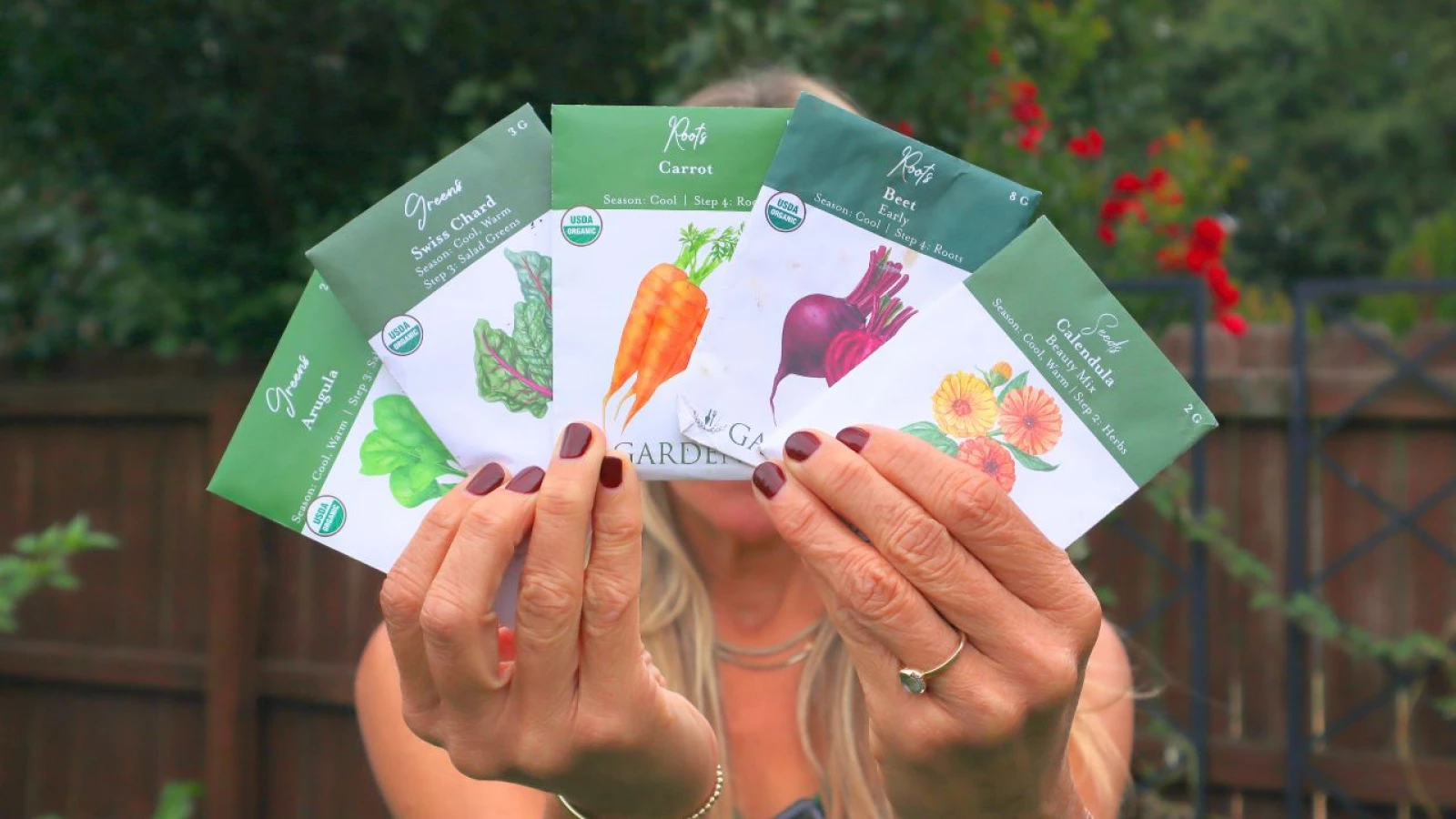
Quick Take: There's something to plant in October no matter where you live. If your first frost waits until December, plant mizuna, carrots, beets, kale, and bush beans. If frost arrives in October or November, plant spring mix, Napa cabbage, and sugar snap peas. If frost has already come, sow arugula, spinach, and radishes. Everyone should plant garlic.
At a Glance
- Your October planting list depends on when your first frost arrives, so start by finding your climate number: 1, 2, or 3.
- Most October picks are leafy greens and root crops that handle cold well, and many taste sweeter after a light frost.
- Leftover kale and Swiss chard seeds can still grow indoors as sprouts or microgreens, even when it's too cold to plant outside.
By Nicole Johnsey Burke: Founder of Gardenary & Author of Kitchen Garden Revival


Plant It In October, Eat It At Thanksgiving
I like to think about October planting backward, starting from the holidays to the table.
Carrots you sow this month could become a carrot soufflé on your Thanksgiving table. Sugar snap peas make the perfect holiday appetizer. And a head of Napa cabbage on New Year's Day is supposed to bring good luck.
What you plant in October helps decide what's on your table this winter.


Find Your Number Before You Plant Anything in October
Every garden runs on its own calendar depending on your regional climate, so I've made this simple.
I sort every climate into three groups and give each one a number: 1, 2, or 3.
Your number comes down to one date: your first frost, and it tells you exactly which vegetables to plant in October.
Find your number, then jump to that section.
- You're a number 1 if you never get frost, or your first frost doesn't arrive until December or early January.
- You're a number 2 if your first frost arrives in October or November.
- You're a number 3 if your first frost already arrived in August or September.
Not sure of your date? Pop your zip code into the Gardenary Frost Date Calculator, and you'll know in seconds.
*Based on historical climate data from NOAA, only zip codes from United States are supported.
#1: Warm Climate


What to Plant in October If You're a #1 (Frost Waits Until December or Never)
You're in a funny spot right now. It might still be hot, but you know cooler weather is coming. These five plants can handle the heat today and thrive as temperatures drop.
Mizuna
- Mizuna is a mustard green that's a lot like arugula, just a little tangier and more peppery.
- Sow seeds directly in the soil.
- Expect homegrown greens in 45 to 50 days.
Carrots and Beets
- Sow carrots and beets by seed directly in the soil.
- My tip: tuck them in the shade of your taller plants. If you're still seeing highs in the upper 80s or 90s, seeds dry out fast and seedlings suffer.
- Water consistently until they're up and growing.
- Plant now and you'll likely be pulling roots in late November or early December, right in time for holiday meals. Here's how to tell your carrots are ready.
Kale
- Kale is the green that gets you all the way through winter. Frost doesn't bother it, so it hangs on if you get a cold snap in December or January.
- Kale is a biennial, which means it won't flower until its second year. It's wired to keep giving you leaves for a long time.
- Start it by seed or grab plants from your local nursery.
- Grow it once and you'll never buy kale again.
Bush Beans
- Bush beans are a quick win: beans to harvest about 60 days after sowing seed.
- My tip: tuck them into any blank space in a warm-season bed. They shade the soil and keep it from drying out.
- As beans grow, they work with soil bacteria to add nitrogen back into your soil.
Marigolds
- Plant marigolds around the edges of your beds, by seed or by plant.
- They're helpful with pest protection, they smell wonderful, and they're beautiful.
- They'll carry your bed edges until it's cool enough for cool-season flowers.
More to Plant:
- Arugula and mustard greens: sow by seed.
- Swiss chard: start from plants. It handles warmth, then takes off when temps drop.
- Radishes: sow by seed and keep them well watered.
- Basil: sow from seed if you have at least 45 days before your first frost.
- Rosemary, sage, oregano, lavender, and thyme: start from plants so they get established before winter.
- Potatoes: if frost is nowhere in sight, plant now and dig new potatoes by the end of November.
- Short-season cucumbers, squash, and zucchini: stick to varieties that go from seed to harvest in 50 to 60 days.
How I'd Fit All Five Into One Bed
These five make a lovely combination in a single raised bed. Pack the middle with mizuna, kale, carrots, and beets, fill the gaps with bush beans, and ring the edges with marigolds. If you'd like a layout done for you, start with these easy planting plans.
Everything You Need For Fall in One Curated Kit
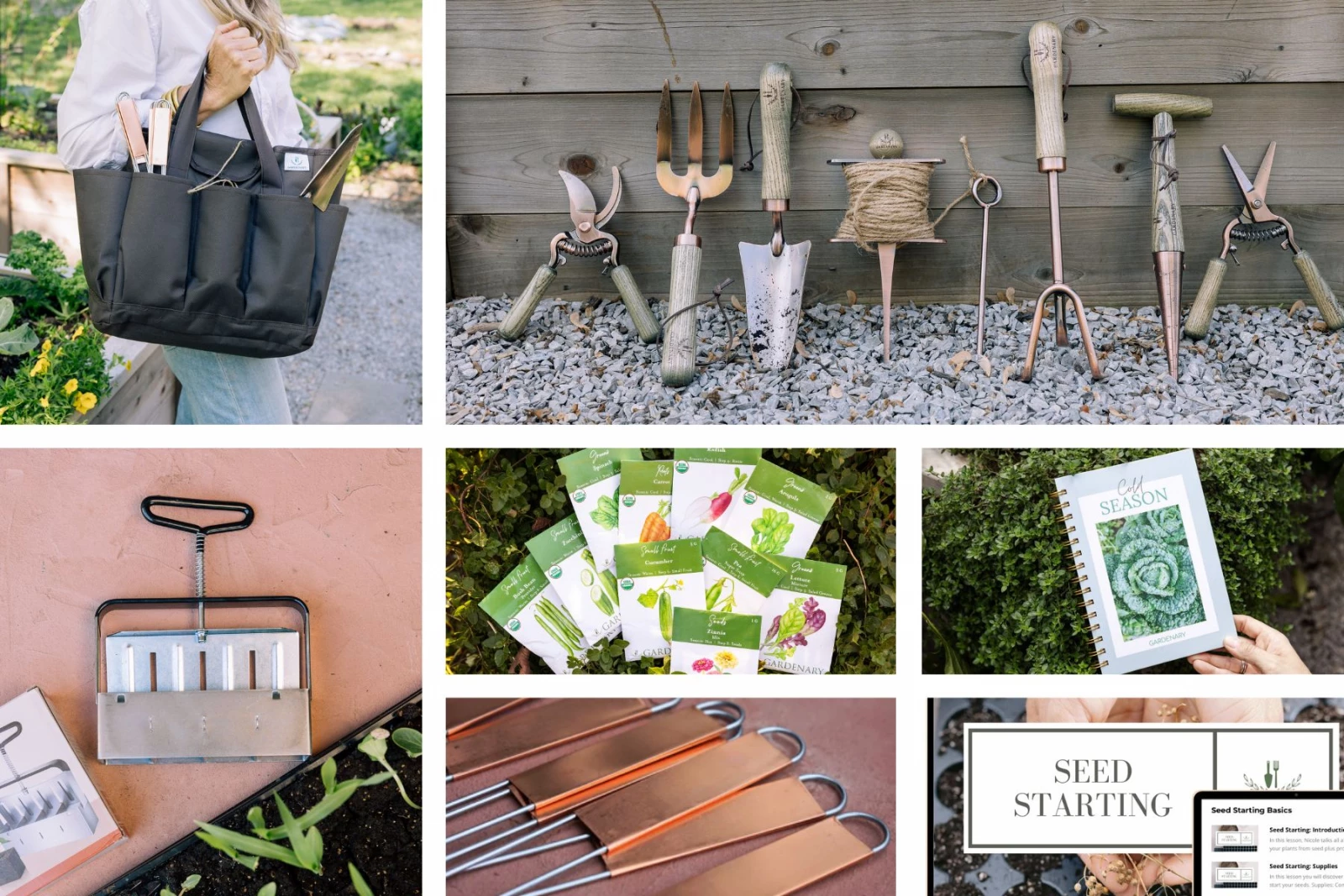
The Fall Kitchen Garden Kit
- 7-Piece Copper Tool Set
- Garden Essentials Tote Bag to keep everything organized
- Gardenary Soil Blocker for stronger roots, faster germination
- Cold Season Garden Planner with 90 in-depth activities for your fall and winter garden
- BONUS Seed Starting Course delivered digitally by email after purchase
#2: Cool or Mild Climate


What to Plant in October If You're a #2 (First Frost in October or November)
If you're a 2, you're grateful for the cooler weather but worried you've missed your window. You haven't. These five can still give you a harvest before it gets too cold, especially if you protect them from frost with frost cloth or a little glass house.
Spring Mix Lettuce
- Spring mix is the plant that taught me how to garden. Toss the seeds in the soil and you get bowls and bowls of salad.
- Sow by seed directly in the soil.
- Harvest in 45 to 50 days.
- Once you taste homegrown lettuce, the grocery store kind will never measure up.
Carrots and Beets
- Sow carrots and beets by seed directly in the soil. You won't have to babysit them nearly as much as the 1s do.
- Expect a harvest in about 60 to 75 days, as long as they get plenty of sun and the soil doesn't get too cold.
- A few light frosts while they grow is no harm, no foul. Cold makes them sweeter.
- My tip: if your fall turns cold fast, the seeds may sit through winter and pop up in February or March. If your fall stays mild, you could be pulling fresh carrots and beets for holiday meals.
Napa Cabbage
- It's too late for Napa cabbage from seed, so start with a plant.
- Big heading cabbages take 100 to 120 days. Napa (Chinese) cabbage is closer to 90 to 100, so you could be harvesting by December.
- It's frost tolerant, and with frost cloth or a cover, it can hang on all the way to New Year's Day. Cabbage and peas for good luck, right?
Sugar Snap Peas
- Plant sugar snap peas by seed at the base of a trellis now.
- Harvest in about 60 to 65 days, just in time for the holiday table.
- My tip: don't skip the pea tendrils. They're delicious stir-fried or as a garnish.
Calendula
- Sow calendula seeds right along the edge of your bed and let them spill over the side.
- Calendula grows fast and works as a trap crop, which means pests go for it instead of your other plants.
- The edible flowers are gorgeous in salads, teas, and holiday garnishes. You can even turn them into homemade gifts.
More to Plant:
- Cilantro and dill: sow by seed. They love the cool weather and handle frost.
- Parsley: grab a nursery plant so you can harvest sooner.
- Spinach, arugula, and romaine: sow by seed for a salad bowl that shrugs off temps below 30°F.
- Kale and Swiss chard: start from plants. They grow slowly, and nursery starts pay for themselves after a couple of harvests.
- Radishes, fennel, turnips, and rutabaga: sow by seed directly in the soil.
- Snow peas and fava beans: sow by seed.
- Broccoli, cauliflower, and romanesco: transplant seedlings now. They need space and time like fruiting plants, so give them room.
How I'd Fit All Five Into One Bed
- Back: sugar snap peas climbing a trellis
- Middle: Napa cabbage
- Next row in: carrots and beets
- Edges: spring mix lettuce and calendula
A pea bed is the perfect excuse for an arch. Sugar snap peas climb right up the Nicole Arch Trellis, and the whole bed turns into the prettiest spot in your yard. Set it over a Gardenary Cedar Raised Garden Bed, and the cedar's good drainage and warm soil give fall crops a head start before cold weather hits.
If you like to map out a bed on paper first, the Cool Season Garden Planner is made for planning cool-season beds just like this one.
#3: Cold Climate


What to Plant in October If You're a #3 (Frost Already Came)
I know October can feel like the month you stop going outside. But when I gardened in Chicago, I still planted in October. I have video of myself frantically scattering seeds right before my daughter's homecoming, and I harvested under frost cloth before Thanksgiving. You can, too. These are some of my favorite frost-resistant vegetables for a cold October.
Arugula
- Arugula is one of the fastest greens you can grow, and it doesn't mind cold weather or a light frost.
- Sprinkle seeds all around your garden.
- It'll make you feel like it's still summer, even when it's freezing outside.
Spinach
- Spinach is slower from seed than arugula, but it holds on much longer.
- Cutting your own spinach salad in late October and November is such a delight.
- It's tough. My mom's spinach here in Nashville sat under ice for days during a February ice storm, and it all recovered.
Radishes
- Radishes are your fastest root crop. Sow now and you'll be harvesting in early November.
- They won't last once it gets very cold, so think of them as one last quick win before winter.
- My tip: grow French breakfast radishes. Pull them straight from the garden, wash them off, and eat them raw with butter and salt.
Kale and Swiss Chard Sprouts or Microgreens
If it's already too cold to plant outside, bring your garden indoors.
- Grab the leftover kale and Swiss chard seeds from this year. (Who needs hundreds of kale plants? Not me. One plant is so prolific.)
- Grow them as sprouts in a sprouting jar or as microgreens on a tray under lights.
- You'll have fresh greens on your counter in a couple of weeks, no matter what's happening outside.
More to Plant:
- Kale and cabbage: plant starts inside a cold frame or under a garden cover. They won't grow much bigger, but they'll survive and give you small harvests.
- Carrots, beets, and extra radishes for spring: sow seeds and cover with frost cloth. They'll sit in the soil all winter and pop up as soon as it warms, just like seeds dropped in nature. Your neighbors will have snow while you're pulling roots in March.
- Peas and fava beans: winter sow them under frost cloth or a cold frame. Snow melt waters them for you, and you'll have pea shoots before anyone else in spring.
Garlic, Made Simple
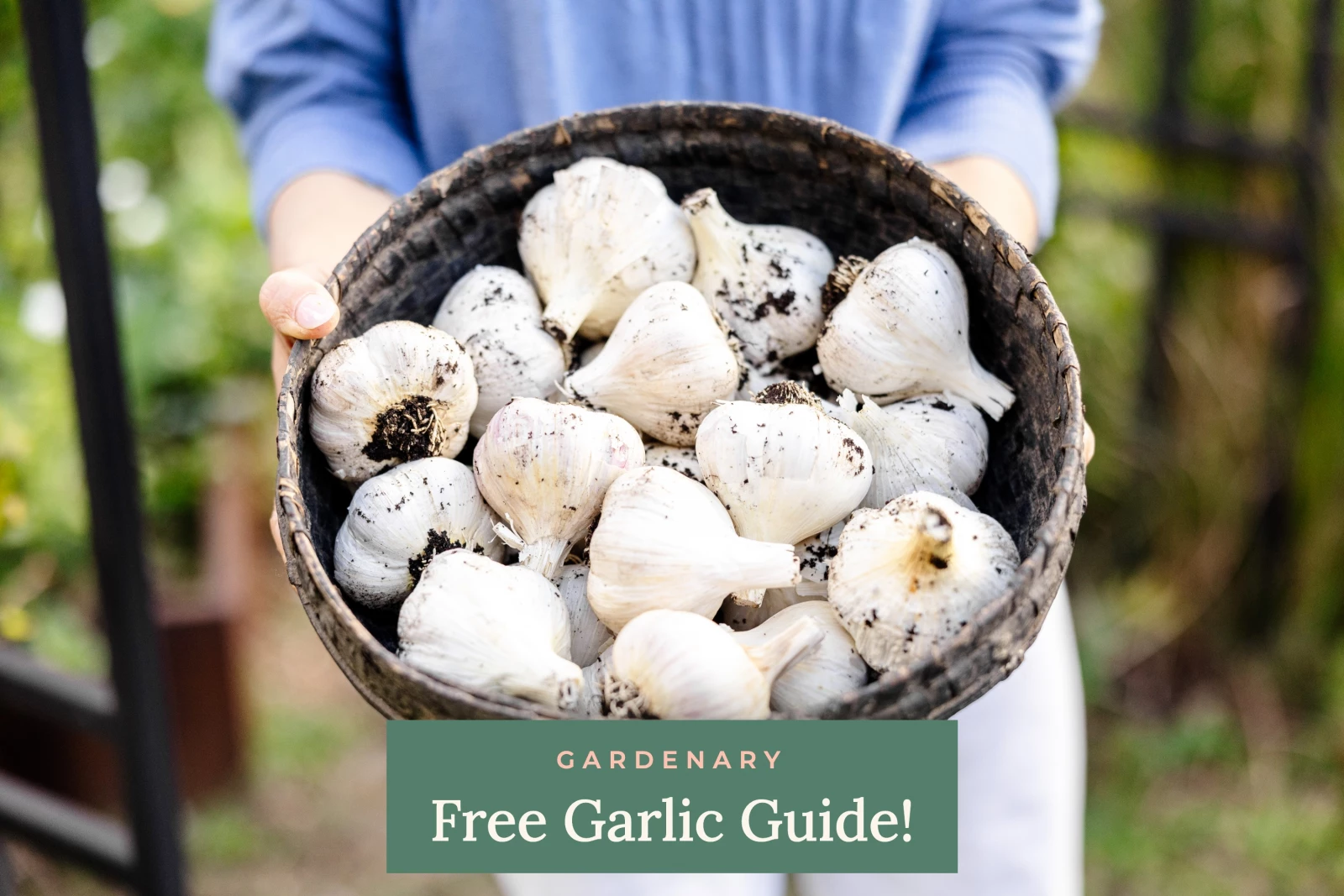
Skip the trial and error — get Nicole's exact steps for a garlic harvest you'll be proud of.
Not all garlic is created equal, and neither is all planting advice. This free guide gives you Nicole's tested method for growing garlic. You'll learn what to order, when to plant, and how to tell when it's ready to harvest.
Garlic: The One Thing Every Gardener Should Plant in October
No matter your number, plant garlic this month (or by early November at the latest). It's a root crop that takes 6 to 9 months to grow to its fullness, and that's exactly why it goes in now.
When to Plant Garlic in Your Climate
- Warm climates (like Houston): push it to the very end of October or early November.
- Mild climates (like Nashville): October, for sure.
- Cold climates (like Chicago): right around your first frost.
My tip: wait until it's turned a little chilly. Plant too early and critters (I'm looking at you, squirrels) will dig your cloves right back up.
How to Plant Garlic Cloves
Here's the short version. For more detail, see my three easy steps to plant garlic.
- Break a whole garlic bulb apart into individual cloves.
- Plant each clove by itself, root end down and pointy tip up.
- Cover with soil and top with a layer of mulch to protect it over winter.
- Wait. Over the next 6 to 9 months, that single clove grows an entire new bulb around itself. When the time comes, here's how to know your garlic is ready to harvest.
Nature is so incredibly magical. You break off one piece and it regrows the whole thing. What else does that?
Start with seed garlic from a garlic grower rather than the grocery store. It's suited to growing in gardens and less likely to carry disease.
My tip: mark your garlic rows the day you plant. By spring you'll have forgotten exactly where every clove went (ask me how I know). Copper Hairpin Plant Labels at the end of each row do the job and look lovely in the bed all winter. The trowel from my Gardenary Copper Garden Tool Set makes quick work of digging each little hole.
If you do nothing else in your garden this month, promise me you'll plant some garlic.


Flowers to Plant in October
Flowers earn their spot in a kitchen garden. They bring in pollinators, help with pests, and make your beds a place you want to sit.
- If you're a 1: marigolds and nasturtiums, by seed or by plant.
- If you're a 2: calendula along your bed edges, plus nasturtiums if your weather is still mild.
- Everyone: pansies, violas, dianthus, and snapdragons all handle frost.
- For spring blooms: sow echinacea, black-eyed Susan, and native wildflower seeds now. They won't come up until spring, but a winter of cold helps them germinate.
Shop Our Cedar Raised Beds
Gardenary's new line of quality cedar garden beds are easy to assemble and will provide years of gardening enjoyment. Choose from numerous different garden sizes to fit your space.
Where October Plantings Usually Go Wrong
- Assuming the season is over. This is the one I got wrong for years. There's always something to plant.
- Planting long-season crops too late. Tomatoes and peppers need 90+ days. In October, stick with quick greens, roots, and peas.
- Letting seeds dry out in warm climates. If you're a 1, shade your root crop seeds and water them consistently until they sprout.
- Skipping frost cloth. A simple cover can stretch your harvest by weeks if you're a 2 or a 3.
- Planting garlic too early. Wait until it's turned a little cold so squirrels leave your cloves alone.
Now Go Plant Something
I'm about to sow tons of spinach, so I can freeze enough to skip the grocery store for months. At Gardenary, we're all about eating from your garden every single day of the year, no matter where you live.
You've got this. Your fall garden is going to reward you.
If you'd like to grow more of your own transplants (and save money at the nursery), the Gardenary Soil Blocker is the tool I reach for most. It makes strong, healthy seedlings for crops that don't go straight into the soil, like cabbage and broccoli. Here's why I make soil blocks instead of buying fall transplants.
7 Tools, Beautifully Designed
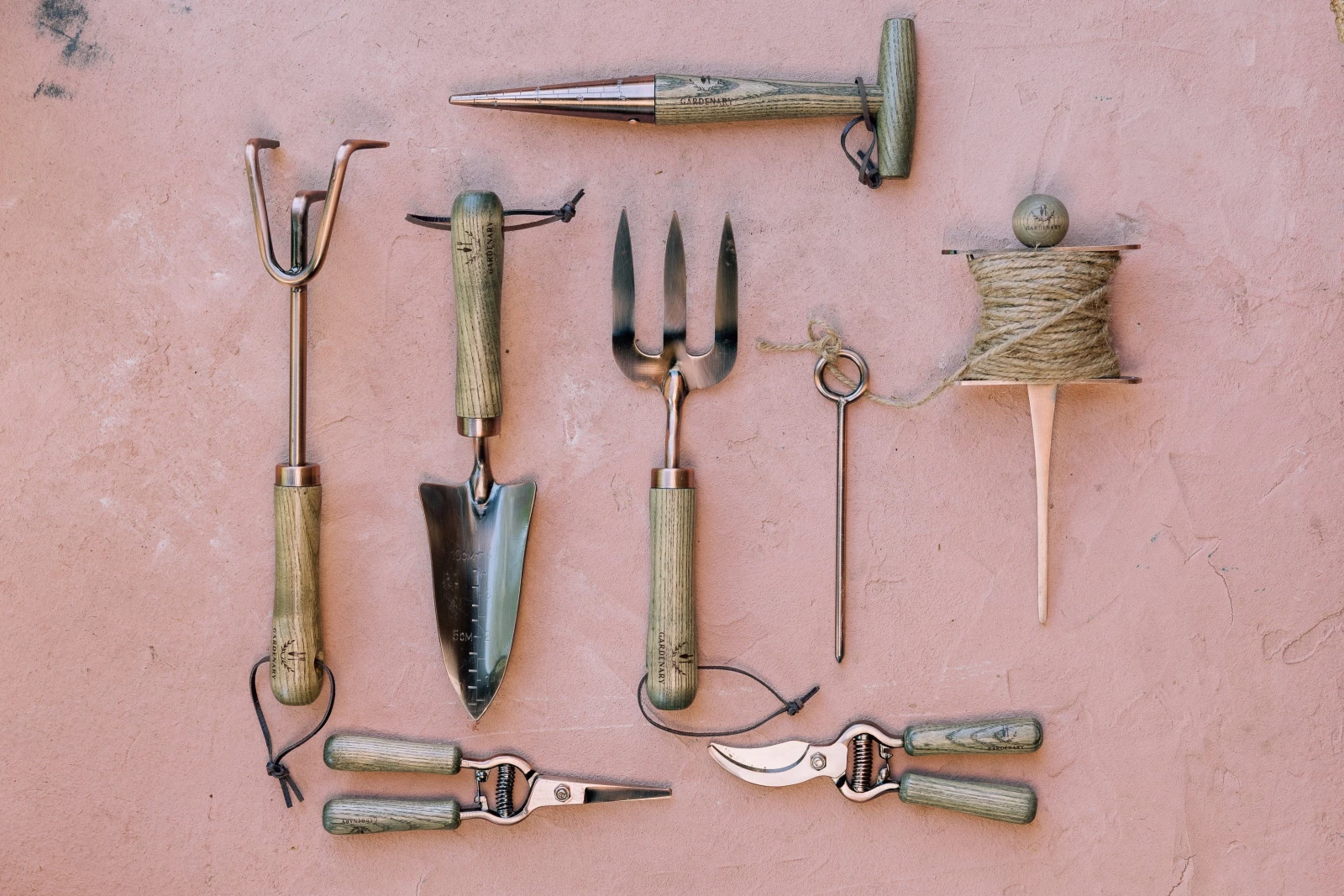
The tool set gardeners actually want, made from carbon steel with an ash wood handle and a warm copper finish.
- Bypass pruner for clean, precise harvest cuts
- Needlenose pruner for detail work in tight spaces
- Transplanting shovel for seedlings and planting holes
- Dibber for perfectly spaced seed sowing
- Cultivator for loosening soil and clearing debris
- Hand fork for weeding and working around established plants
- Row marker & planting line for straight, intentional rows
All in a gift box, ready to use.
October Planting FAQs
Is it too late to start a vegetable garden in October?
No. October is a great month to start a fall garden with fast greens like arugula, spring mix, and spinach, plus root crops like radishes. Even in the coldest climates, you can plant garlic and winter-sow seeds for an early spring harvest.
What vegetables can I plant in October in Florida or Texas?
Most of Florida and South Texas don't see frost until December, if at all, which makes you a 1. Plant mizuna, carrots, beets, kale, and bush beans now, with marigolds along your bed edges. Save garlic for the very end of October or early November.
What can I plant in October in zone 7?
Zone 7 gardens usually see their first frost between mid-October and mid-November, which makes you a 2. Plant spring mix, carrots, beets, Napa cabbage transplants, and sugar snap peas, with calendula along your bed edges. October is also prime time to plant garlic in zone 7.


Keep Reading
How to Plant a Fall Garden in 5 Simple Steps
10 Reasons You Should Never Use Miracle-Gro in Your Garden
The Best Herbs to Grow in Shade

Are Your Radishes Ready to Harvest? Look for These 3 Signs
What to Plant in October: Vegetables for Every Climate

This Garden Consultant Started From Scratch, Now She's Featured in Martha Stewart
Sources
- "Growing garlic in home gardens" — https://extension.umn.edu/vegetables/growing-garlic (University of Minnesota Extension)
- "Planting vegetables in midsummer for fall harvest" — https://extension.umn.edu/planting-and-growing-guides/planting-vegetables-midsummer-fall-harvest (University of Minnesota Extension)
- "The Fall Vegetable Garden" — https://ag.purdue.edu/department/hla/extension/extension-publications-library/ext-pubs/ho-66-w.html (Purdue Extension)
- "Fill a fall vegetable garden with variety: the cold-hardy choices may surprise you" — https://extension.illinois.edu/blogs/flowers-fruits-and-frass/2023-08-25-fill-fall-vegetable-garden-variety-cold-hardy-choices-may (University of Illinois Extension)