
Join Thousands of Gardeners On the VIP List
Free perks, just for email subscribers:
- 15% Off Your First Order
- Gardening Videos & Articles
- Early Access to Sales
Sign up, check your inbox, then shop with your code.

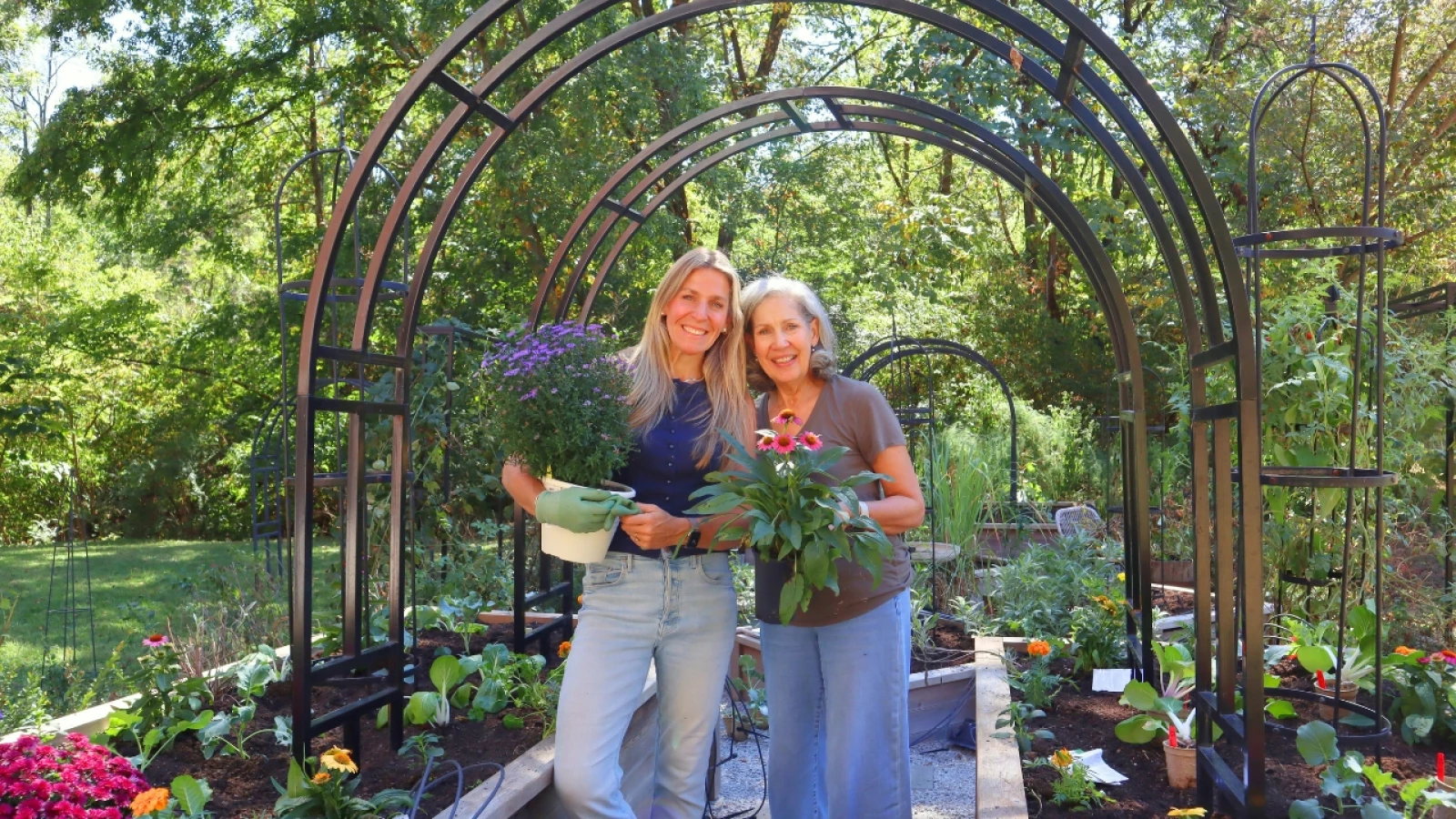
Nicole's Quick Take: A fall garden comes together in five steps: clear your summer bed, add about 3 inches of compost, lay out plants biggest to smallest, plant transplants at pot depth, and sow seeds last. Cooler weather and fewer pests make fall my easiest season.
At a Glance
- Plant broccoli, cauliflower, and cabbage when highs sit between 45 and 75°F.
- Sort spent plants into keep, compost, and trash piles.
- Space radish seeds two fingers apart, carrots three, and beets four.
By Nicole Johnsey Burke: Founder of Gardenary & Author of Kitchen Garden Revival
My Mom Talked Me Into My First Fall Garden
My first few years of gardening, I quit every single August. Then my mom called and said, "Oh, but you're forgetting the garlic and the spinach and all the other greens." So that year I replanted for fall, and I fell completely in love. Now my mom (a Mississippi gardener) and I both garden in the South, and fall is the season neither of us would skip.

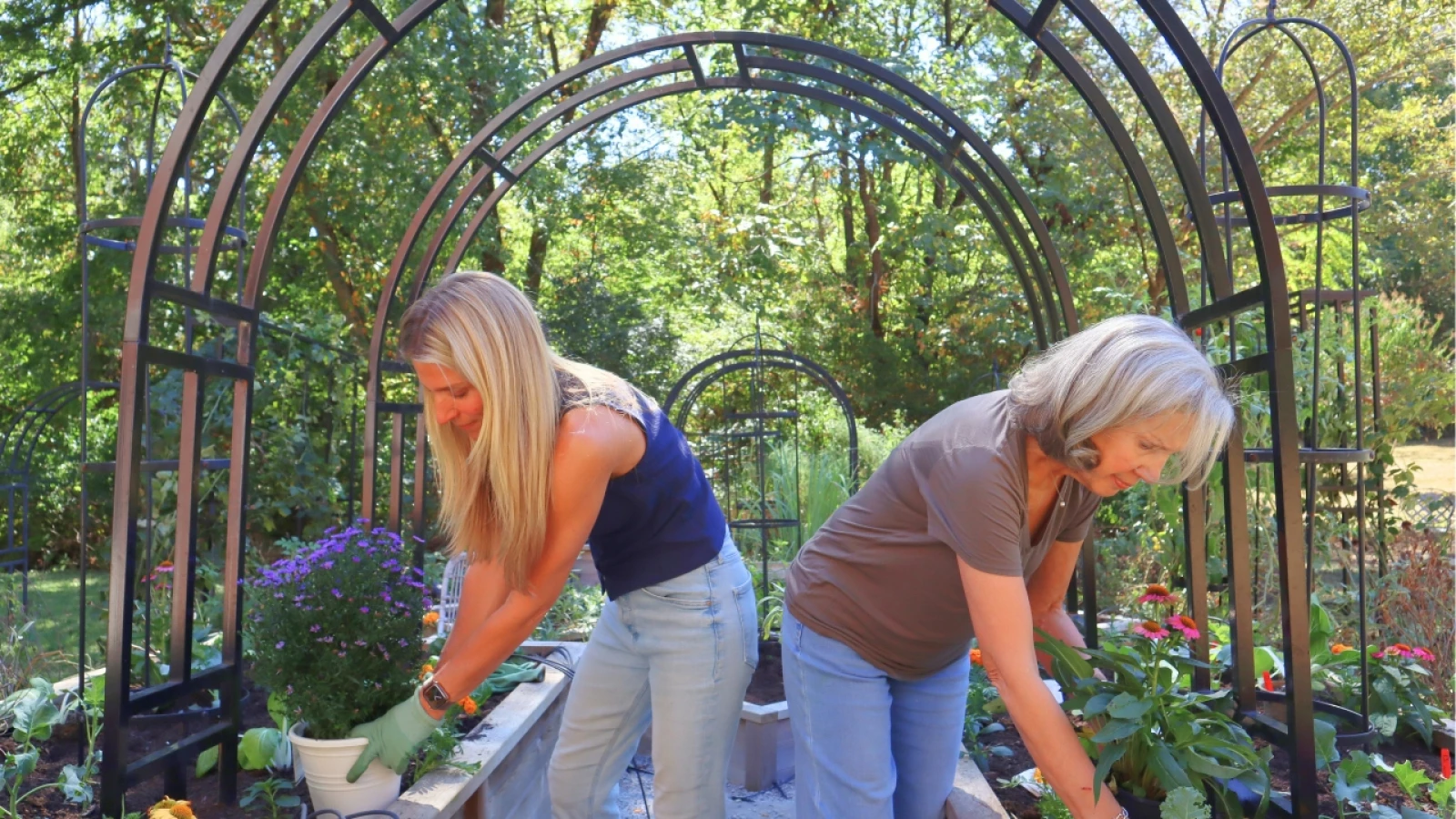
Fall Garden Planting Is Easier Than Summer: 4 Reasons I'll Never Skip It Again
If summer left you burnt out, you're in good company. My mom told me she's usually done gardening by July. Here's why fall is the season to jump back in, especially in mild and warm climates.
1. It's Cooler for You and Your Plants
This summer felt like living on the surface of the sun. Most of us would happily live at 75°F, and so would most of the plants we love to grow. Fall gives you both a break.
2. Your Water Goes Further
Fall usually brings more rain, and even when it doesn't, evaporation slows way down. The water you give your garden stays in the soil instead of disappearing by lunchtime.
3. Pests Calm Down
Pests come out to play in midsummer. My mom met her first tomato hornworms this year (she was not a fan), though her herbs kept most other pests at bay. By fall, pest pressure drops off noticeably.
4. Fall Crops Are the Good-for-You Kind
Garlic, spinach, leafy greens, and root crops all come into their own as cold and flu season shows up. It's the food I want on the table when the weather turns.
Garlic, Made Simple
Skip the trial and error — get Nicole's exact steps for a garlic harvest you'll be proud of.
Not all garlic is created equal, and neither is all planting advice. This free guide gives you Nicole's tested method for growing garlic. You'll learn what to order, when to plant, and how to tell when it's ready to harvest.
How to Plant a Fall Garden: The 5 Steps
- Clear your bed
- Add compost
- Lay out your plants
- Plant your transplants
- Sow your seeds

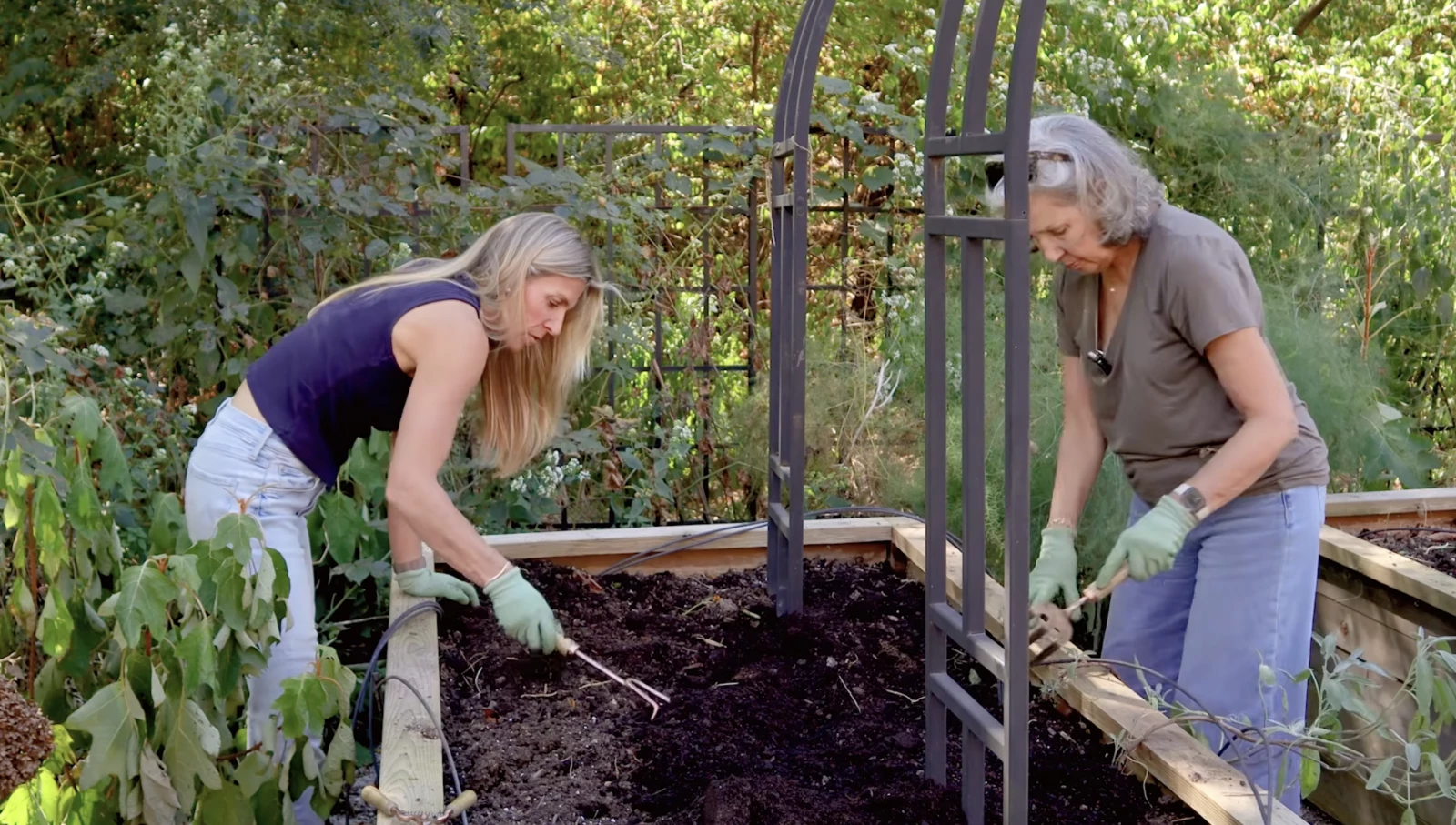
Step 1: Clear Your Garden Bed for Fall (Without Losing Your Soil)
Start by clearing every summer plant, but think before you pull. Anything you can remove without yanking out the roots, cut at the base. That keeps all the soil structure you've spent the season building right where it belongs.
- Cut at the base: marigolds, basil, and most flowers and herbs.
- Pull out by the roots: weeds and anything with a big root system, especially tomatoes, peppers, and other nightshades.
Sort Everything Into Three Piles
This is where you find your treasures. As you clear, make three piles:
Keep
Seed heads, herb flowers, and anything useful. My spent marigold blooms hold all of next year's marigold seeds. My finished basil still had beautiful flowers and seed pods, so I brought it inside to dry (and maybe make a little pesto).
Compost
Healthy plants that are simply done, like a tired pepper plant that's past producing.
Trash
Anything showing signs of disease or heavy pest damage. Keep it out of your compost so the problem doesn't follow you into next season.
Loosen the Top Layer, Then Stop
Once the surface is clear, lightly work the top of the soil with a small hand cultivator. Don't turn it over deeply. There are layers of life under there, and you want to keep them intact. When I cleared my own bed this year, the soil was dry and brittle, but I spotted a worm right away. Good sign. It just needed a little help, which brings us to step two.
For fall cleanup, I use the Gardenary Copper Garden Tool Set. It's seven carbon steel pieces with copper plating and ash wood handles, including a bypass pruner for cutting plants at the base, and it comes in a gift box (which makes it an easy holiday gift for the gardener in your life, too).
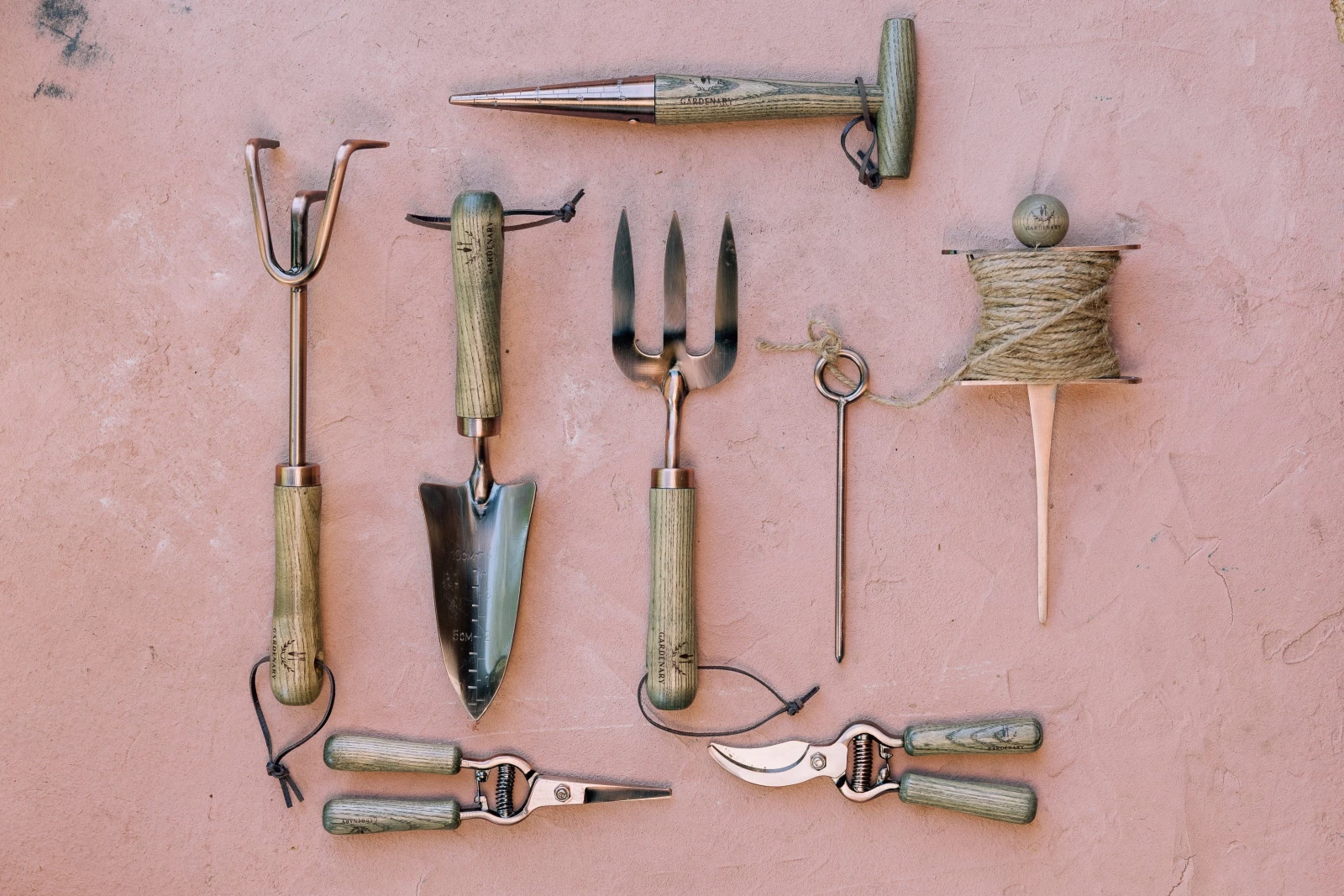
7 Tools, Beautifully Designed
The tool set gardeners actually want, made from carbon steel with an ash wood handle and a warm copper finish.
- Bypass pruner for clean, precise harvest cuts
- Needlenose pruner for detail work in tight spaces
- Transplanting shovel for seedlings and planting holes
- Dibber for perfectly spaced seed sowing
- Cultivator for loosening soil and clearing debris
- Hand fork for weeding and working around established plants
- Row marker & planting line for straight, intentional rows
All in a gift box, ready to use.
Step 2: Add Compost to Refresh Your Fall Garden Soil
A summer of growing pulls a lot out of your soil. Before you plant, top your bed back up.
- Adding about 3 inches or less? Use straight compost. This is the most common fall top-up.
- Adding more than 6 inches? Use my soil blend of compost, sand, and topsoil instead of compost alone.
My Favorite Compost for Fall Beds
Leaf mold compost is my go-to. Mushroom compost can work too, but I'll be honest with you: this past year, the mushroom compost we used in a few of our gardens (including mine) was poor quality. My advice? Buy one bag and test it before you buy a truckload. Your own homemade compost is a great choice, too.
If you have perennial herbs or flowers staying put, like sage, just spread compost around their base. Once your compost is in and leveled, you're ready to lay out.
If you're starting fresh this fall, a Gardenary cedar raised bed makes every one of these steps easier. They're handmade in the USA from untreated, kiln-dried cedar, and a 4x4 at 18 inches tall or a 4x8 at 24 inches tall gives you plenty of room for a full fall layout.
Shop Our Cedar Raised Beds
Gardenary's new line of quality cedar garden beds are easy to assemble and will provide years of gardening enjoyment. Choose from numerous different garden sizes to fit your space.

Step 3: Lay Out Your Fall Garden Plants From Biggest to Smallest
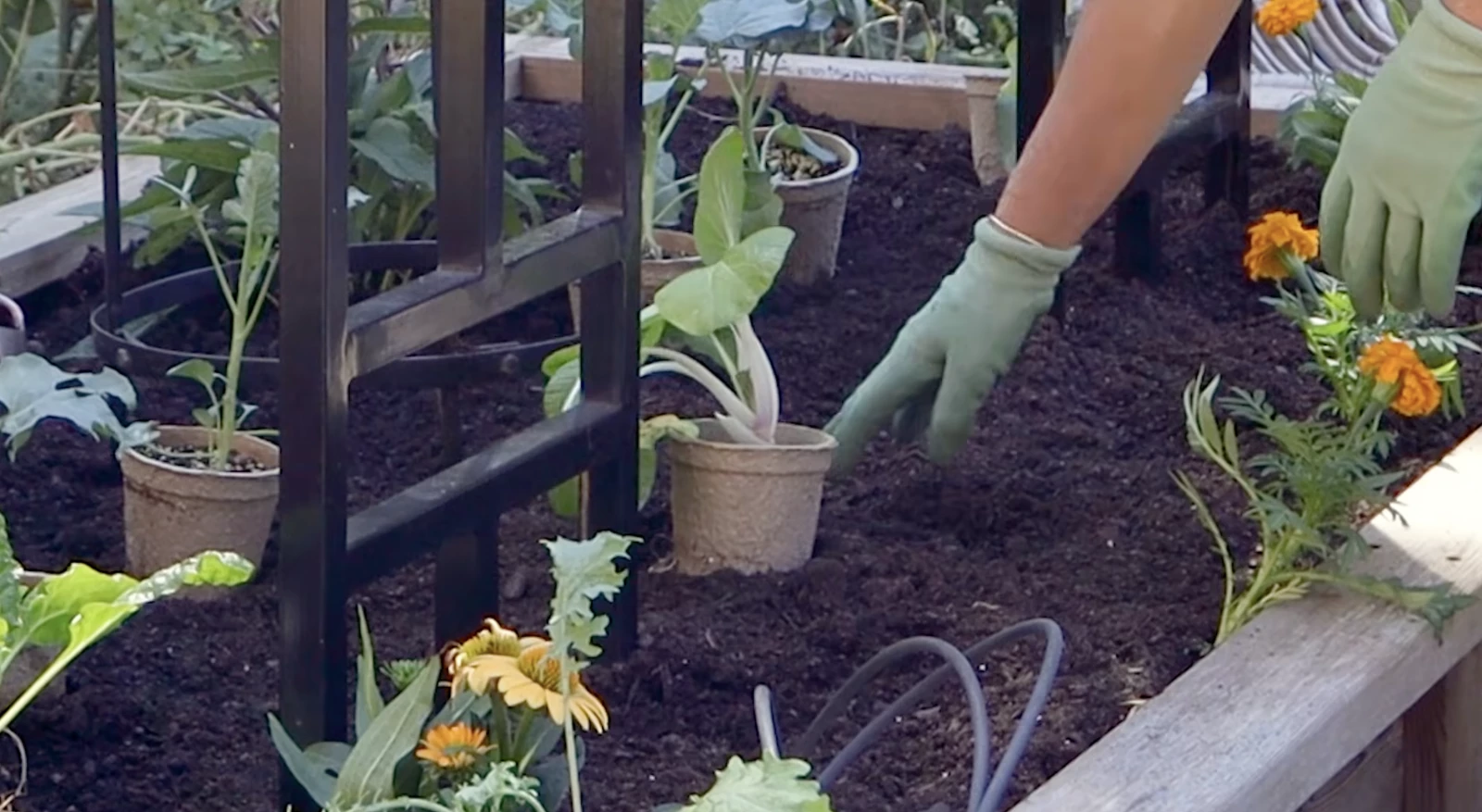
I never dig a single hole until every plant is sitting on the soil where it will go. I use my plate planting method, which means planting in circles. Each plant takes up a dinner plate, four salad plates, or a handful of little dip plates, depending on its size.
Want to skip the guesswork? Gardenary's plate planting plan maker lets you build your own fall planting plan using this exact method, right on our website.
Large Plants: Your Fall Fruiting Crops
When highs fall between 45 and 75°F, your big "fruiting" plants are broccoli, cauliflower, and cabbage. Give each one about a square foot and line them right down the middle of the bed. Peas count here too, since they're the fruiting crop that grows when frost is possible.
I set up an obelisk trellis in my bed this fall just for peas. The Nicole Arch Trellis is another favorite for peas, and it turns a plain raised bed into something you'll want to walk past every morning. It's powder-coated steel, built to last for years, and it sells out often, so grab one before spring planting season.
Medium Plants: Garlic, Kale, Swiss Chard, and Bok Choy
- Garlic: Leave room right alongside your broccoli. I love them together because garlic's scent helps protect nearby greens.
- [Kale](https://www.gardenary.com/blog/your-ultimate-guide-to-growing-kale) and [Swiss chard](https://www.gardenary.com/blog/how-to-grow-your-own-organic-swiss-chard-from-seed): These get big, they're beautiful, and they don't mind frost. I like them in the corners or in a row of their own.
- [Bok choy](https://www.gardenary.com/blog/how-to-grow-bok-choy): I tuck mine into the center of the bed near the trellis and harvest leaves as it grows.
Flowers and Herbs: The Finishing Touch
I line my bed edges with flowers like marigolds, mums, and asters, then add snapdragons, which handle frost beautifully. Here's my snapdragon tip: buy them with no blooms at all. They'll last much longer in the garden that way.
For herbs, fall is prime time for parsley, dill, and cilantro. I plant parsley right on the edge so I can snip some for dinner anytime.
Plant size | What to plant | Where it goes |
|---|---|---|
Large (dinner plate) | Broccoli, cauliflower, cabbage, peas | Down the center; peas on a trellis |
Medium | Garlic, kale, Swiss chard, bok choy | Beside broccoli, in corners, near the trellis |
Small (seeded) | Radishes, carrots, beets, lettuce, spinach, arugula | Rows and gaps, sown last |
Herbs | Parsley, dill, cilantro | Bed edges for easy snipping |
Flowers | Snapdragons, mums, asters, marigolds | Edges and corners |
Support Your Tallest Plants in Style
Heavy-duty support with a look you'll love in your garden
Sprawling vines take up space and hide your harvest. The Wide Pillar Obelisk lifts your plants up so they get more sun and you get easier picking.
Step 4: Plant Your Fall Transplants at the Right Depth
Now it's time to dig. I use a spade that reaches about 4 inches down, since that's how deep most nursery plants are.
- Dig a hole twice as wide as the root ball and the same depth.
- Don't bury plants too deep. Many vegetable transplants can suffocate if their stems go too far underground.
- Support the plant at its neck as you set it in and firm the soil around it.
Plant big plants first, then medium plants, then herbs. Flowers and herbs can go in early if you need them to. This year I was so burnt out from summer that I bought myself flowers just to cheer up, and I stuck them in before anything else. No regrets.
Step 5: Sow Your Fall Garden Seeds Last
Seeds always go in last, once every transplant is in place. Otherwise, you'll disturb them while you work. I sow in this order:
Peas First
I use a dibber to poke holes about 2 inches deep and drop the seeds right in, along the base of my arch and obelisk trellises. (In a warmer climate, you could sow beans the same way.)
Root Crops Second
Beets, carrots, radishes, and garlic come next. I make a shallow trough with my dibber, place the seeds, and barely cover them. My spacing rule is easy to remember:
- Radishes: two fingers apart
- Carrots: three fingers apart
- Beets: four fingers apart
Radishes are my favorite gap-filler. They're ready in about 30 to 45 days, they help break up your soil, and they're so pretty. Even if you don't love the taste, try pickling them.
Leafy Greens Last
Spinach, lettuce, spring mix, and arugula finish things off. I loosen the soil and draw three shallow lines with my cultivator, then drop one or two seeds every few inches. (I always drop my lettuce a little too thick and end up thinning it, which is a pain. Learn from me.)
If you want to feel like a great gardener, grow arugula. My spinach does well some years and my lettuce does well some years, but my arugula always shows up. It's not even my favorite green, and it still loves my garden.
Where Fall Gardens Usually Go Sideways
- Quitting in August. The heat makes it tempting, but the easiest growing season of the year is right around the corner.
- Pulling everything by the roots. Cut what you can at the base and save your soil structure.
- Composting diseased plants. Those go in the trash pile, every time.
- Tilling deeply. A light loosening is all your soil needs.
- Buying compost in bulk without testing it. One bag first. Always.
- Sowing seeds before transplants. You'll trample them. Plants first, seeds last.
You've Got This
There's something about a freshly planted fall bed, all those small green rows against dark compost, that makes the whole summer feel worth it. My mom still thinks the way I plant is a little crazy, but it gives me more food, more beauty, fewer pests, and less watering.
If you want to learn my full system step by step, Kitchen Garden Academy walks you through designing, building, and growing a raised bed garden that produces in every season.
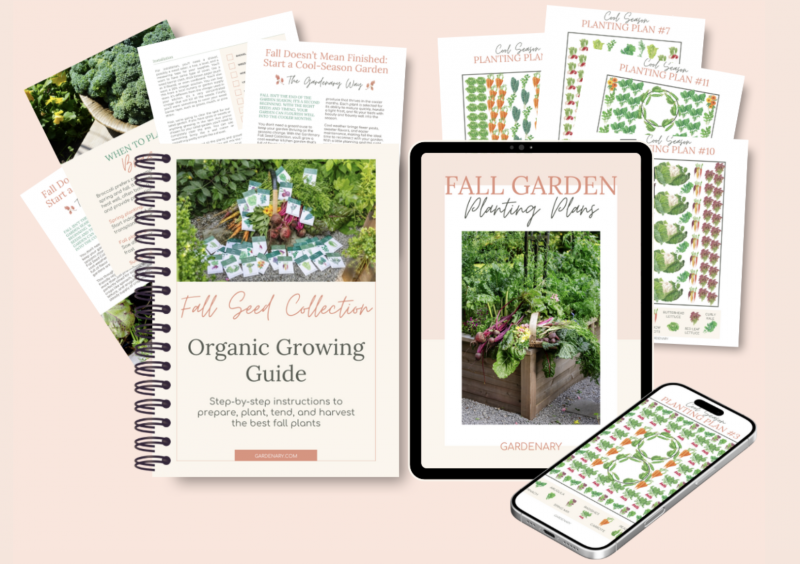
Gardenary's Fall Garden Guide
Spring gets all the attention, but fall is actually the ideal time to start your kitchen garden. Get expert guidance, done-for-you layouts, and step-by-step tips to help you plant smarter, grow healthier crops, and harvest more—right through fall.
Frequently Asked Questions
When should I plant a fall garden?
Plant so crops mature before your first hard frost: July and August in colder climates, late August through October in mild Southern ones. Find your local date with Gardenary's free frost date calculator.
Is it too late to plant a fall garden in October?
Not in mild or warm climates. Garlic, radishes, arugula, and spinach are all fast or hardy enough to plant in October.
Do I need to fertilize my fall garden?
Usually not. A fresh layer of compost covers most of what fall crops need, and I always keep my fertilizing organic.
How do I protect my fall vegetables from frost?
Kale, Swiss chard, garlic, and spinach handle light frost on their own. Cover tender greens like lettuce with frost cloth or row cover on cold nights.
Can I plant a fall garden in a raised bed?
Yes, and raised beds are ideal for it since they drain well in rainy fall weather. Gardenary's cedar raised beds are handmade in the USA from untreated cedar.
What tools do I need to plant a fall garden?
Pruners, a hand cultivator, a small spade, and a dibber. The Gardenary Copper Garden Tool Set covers the cutting and digging in one gift-boxed set.
Where can I get help planning my fall garden layout?
Gardenary's plate planting plan maker helps you map your bed by plant size, and Kitchen Garden Academy teaches the full system.
Keep Reading
How to Plant a Fall Garden in 5 Simple Steps
10 Reasons You Should Never Use Miracle-Gro in Your Garden
The Best Herbs to Grow in Shade

Are Your Radishes Ready to Harvest? Look for These 3 Signs
What to Plant in October: Vegetables for Every Climate

This Garden Consultant Started From Scratch, Now She's Featured in Martha Stewart
Sources
- Fall Vegetable Gardening (Circular 1258) — University of Georgia Cooperative Extension
- Fall Vegetable Gardening (NebGuide G1343) — University of Nebraska–Lincoln Extension
- The Fall Vegetable Garden (HO-66-W) — Purdue Extension