
Join Thousands of Gardeners On the VIP List
Free perks, just for email subscribers:
- 15% Off Your First Order
- Gardening Videos & Articles
- Early Access to Sales
Sign up, check your inbox, then shop with your code.


What Can You Plant in May?
If you're dreaming of a beautiful summer garden but waiting until June to plant, I've got some news for you. June is too late. In every climate I've gardened in, from Houston to Chicago to Nashville, May has always been my biggest planting month. And the gardeners who wait until June are always the ones asking me in August why their garden never took off.
Before we dig in, you need to figure out whether you're a one, a two, or a three.
- You're a number one if your last frost date happened in January or February.
- You're a number two if your last frost date happened in March or April.
- You're a number three if your last frost date happens in May or June.
Not sure of your last frost date? We have a frost date calculator below.
Frost Date Calculator
*Based on historical climate data from NOAA, only zip codes from United States are supported.
Warmer Climates
What Can You Plant in Warmer Areas in May?
If you identified as a number one and your last frost date was in January or February, or you garden year-round without frost, this section is for you.
Your summers are coming in hot, and May is the month to get everything established before the temperatures make it truly brutal out there. I gardened in Houston for years and learned the hard way that plants that weren't in the ground by May were already behind. Let's get you ahead of it.
Don't wait until June or July, when your temps are already blazing. You want hot-season plants to get established now. When I first started to garden over the summer in Houston, I learned the hard way that if plants weren't already in the garden by May, they struggled to push through the heat of July and August.
WARM CLIMATE
Herbs
- Basil
- Lavender
- Oregano
- Sage
- Thyme
- Mint
- Lemon balm
- Rosemary
Leafy Greens
- Mizuna
- Mustard greens
- Arugula
Roots
- Sweet potatoes
Fruit
- Eggplant
- Okra
- Cantaloupe
- Yard long beans
- Yard long cucumbers
- Tomatillos
- Hot peppers
Flowers
- Cosmos
- Zinnias
- Sunflowers
- Marigolds
- Angelonia
- Purple salvia


Herbs
If you haven't planted basil yet, I recommend buying a healthy plant from your local nursery so that you can begin harvesting leaves immediately and maximize your enjoyment of this sun-loving herb. Some basil types, like Thai basil, are particularly great at hanging in there in triple-digit temps.
Consider planting perennial herbs (lavender, oregano, sage, thyme, mint, lemon balm, and rosemary) in your garden this month to give them time to establish themselves in the garden before hot weather arrives. I recommend planting these as plants, as well, so you can enjoy them during their most active growing season.
Leafy Greens
Arugula is a fantastic leafy green that will continue producing even in the hottest months. Other heat-tolerant greens include mizuna and mustard greens. If you give these plants some shade as the weather warms up, you'll enjoy just-cut salads well into summer.
Roots
If you have vacation plans this summer, I recommend filling at least one raised bed with nothing but sweet potatoes (tuberous roots) this month. These low-maintenance plants will fill your garden with above-ground leaves that will act as a ground cover to keep moisture and nutrients in your soil—even while you're away.
To start sweet potatoes, buy an organic sweet potato from the grocery store or farmers' market. Simply place it in some compost indoors to let it grow slips that you can then plant outside in about 6 weeks. If it's warm enough outside, you can plant a sweet potato directly in the soil.
It's a little late to plant potatoes (tubers), unless you're growing an early variety that can be ready to harvest in 75 to 90 days. Don't worry—you'll get another chance in the fall!

Fruit
Tomatoes and regular cucumbers struggle in the hot season, but we still have plenty of fruiting plants from more tropical climates that thrive in hot and dry weather.
One of my favorites is yard long beans, which grow on trellises or up fences and love the heat. These things can quite literally grow to be a yard long (though they're best when harvested at about 18 inches). These beans are super fun to grow with kids. If you chop them up, you can use them just like regular green beans.
Another favorite is yard long cucumbers, aka Armenian cucumbers. These guys are a bit different from the regular cucumbers you grow in the warm season, partly because they're technically melons. They can keep on flowering and fruiting even during really high temperatures. Sow seeds for these cukes right along a trellis by the end of this month so your plants will be up and growing before the middle of summer.
A third great option is tomatillos. Tomatoes struggle in really hot climates, but their cousins, tomatillos, aren't nearly as picky when it comes to high temps. They look a lot like tomato plants, but they only need a small trellis or some stakes to support them. I recommend putting tomatillos in by plant, not by seed (make sure to plant at least two). That way, they'll have more time to get established. You'll still be making salsa come harvest time—it'll just be green salsa instead of red.
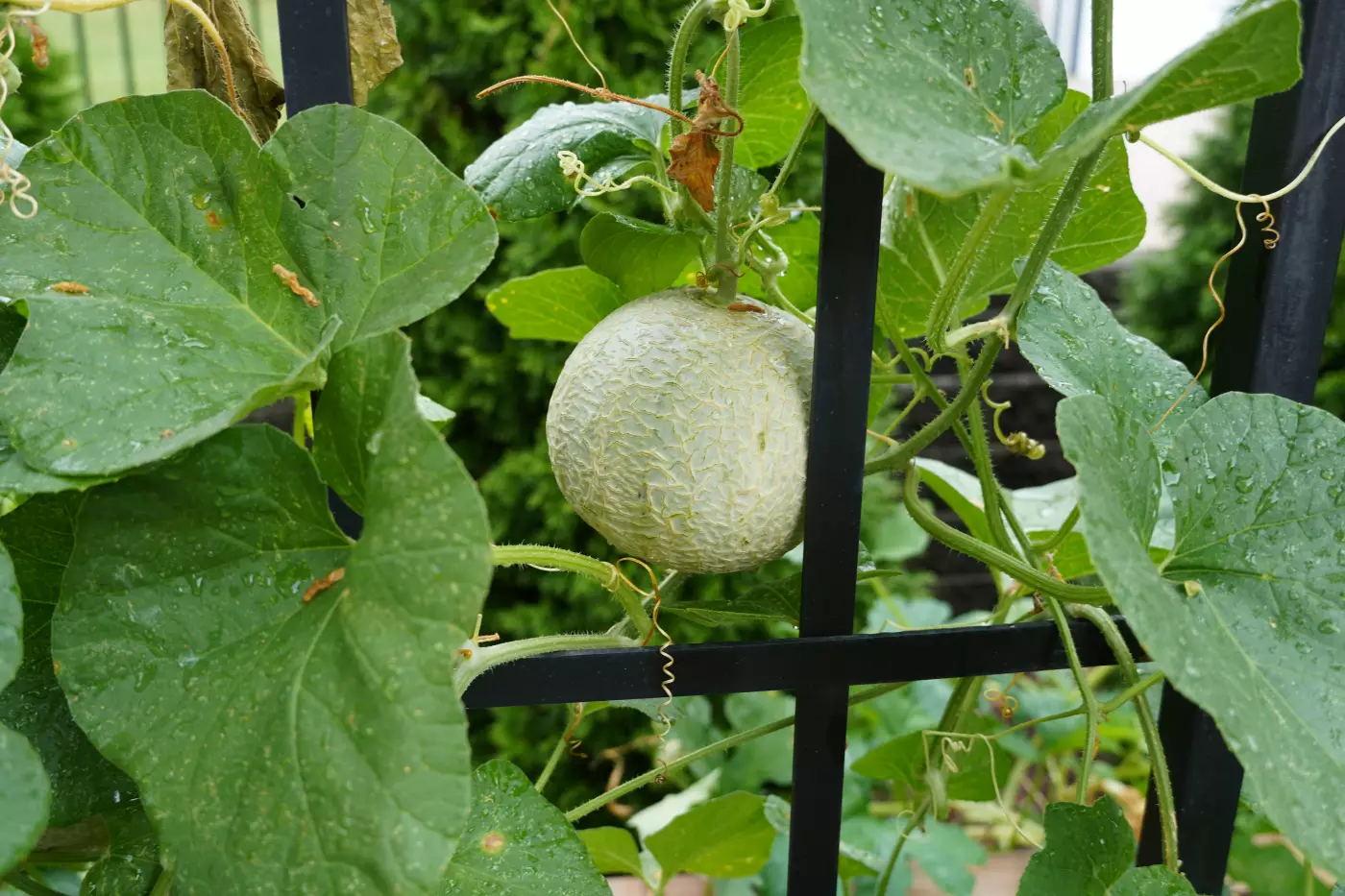
Cantaloupe is another fruit that absolutely thrives in hot climates and May is the perfect time to get seeds in the ground. When I was running my garden business in Houston, cantaloupe was one of our most reliable summer producers. Plant seeds right alongside the edge of the bed and let the vines flow out into the pathways between beds. Get them started this month, water them in well, and you'll have sweet, fragrant fruit ready by the end of July.
Lastly, you can add hot peppers and eggplant by plant.
Flowers
Cosmos and zinnias are wonderful flowers to have in the garden throughout the hottest parts of the summer. They're heat- and drought-tolerant and make for pretty little cut flowers! I recommend sprinkling seeds in your native plant or pollinator garden spaces (not in your raised beds). The blooms will bring all the bees and butterflies, plus tons of beneficial insects to help protect your garden from pests.
Sunflowers are another great option. They make a wonderful companion plant for all the other things you're growing this summer. If you don't put anything else in your garden bed, just put a bunch of sunflowers. I love growing teddy bear varieties in my raised beds and then planting the taller sunflowers in my native plant and pollinator garden spaces. Bonus: you can eat the seeds.
Other great flowers to plant this month include angelonia, purple salvia, and marigolds. These flowers will push through the heat of summer and—most importantly—feed our pollinators.
Prefer to Watch?
Mild Climates
What Can You Plant in Mild Areas in May?
If you identified as a number two and your last frost date fell in March or April, welcome to what I genuinely consider the sweet spot of gardening. You're past the frost threat, the soil is warm and ready, and you've got a long, productive warm season ahead of you. This is essentially the situation I have here in Nashville, and honestly, May in a mild climate is one of my favorite moments in the entire gardening year. Here's everything worth planting right now.
MILD CLIMATE
Herbs
- Basil
- Chives
- Oregano
- Sage
- Thyme
- Mint
- Lemon balm
- Rosemary
- Lavender
Leafy Greens
- Arugula
- Mizuna
- Mustard greens
- Romaine lettuce
- Red leaf lettuce
Roots
- Potatoes
Fruit
- Tomatoes
- Cucumbers
- Zucchini
- Bush beans
- Eggplant
- Okra
- Peppers
- Watermelon
Flowers
- Zinnias
- Marigolds
- Cosmos
- Strawflowers
- Petunias
- Begonias


Herbs
Now that you've passed your last frost date, you can transplant basil started indoors or direct sow basil seeds in the garden. If you're planting seeds, you need to get them in the ground like yesterday. Basil will grow in almost any space in your garden. Spread out the plants about 4 to 6 inches, keep them watered, and you're going to get tons of harvests. We're talking $25 of leaves from each basil plant you grow. No more buying basil leaves from the store for you this summer, okay?
If you want to grow perennial herbs (chives, oregano, sage, thyme, mint, lemon balm, rosemary, and lavender), I recommend buying these herbs from your local nursery. That way, you can begin harvesting from them as soon as possible. They'll explode with growth during the summer months.
Leafy Greens
Arugula is a great green to grow right now. Sow arugula seeds in blank spaces in your garden, and you'll harvest a ton of greens in just 45 days.
If you're expecting at least 45 more days with temps mostly under 84°F (29.4°C), then you can still plant some lettuce by seed. Give your plants some shade so your leaves don't turn bitter as the weather warms. Romaine lettuce and red leaf lettuce tend to tolerate warm weather better than other varieties.
Once your temps rise, stick with greens like arugula, mizuna, and mustard greens.
Seasonal Guides for Year-Round Success
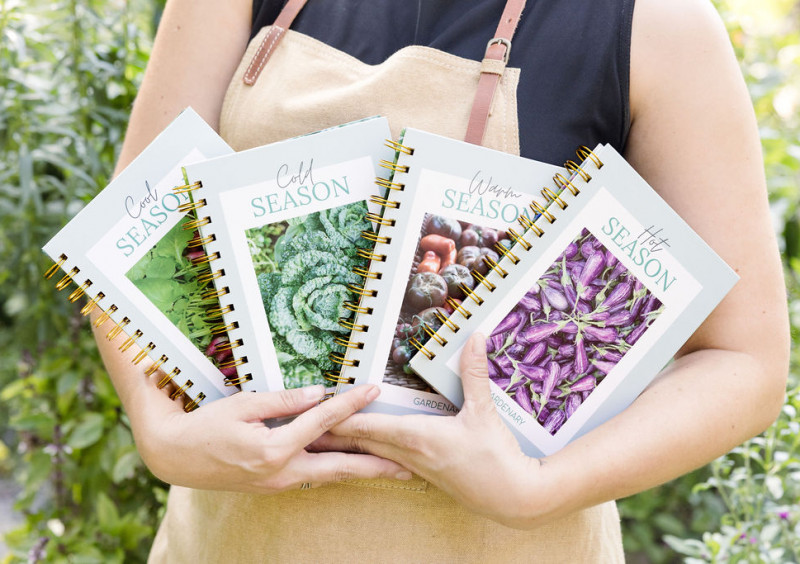
Stay on top of your garden year-round with these seasonal garden guides! This four-book set gives you expert guidance, ensuring you always know what to plant, how to care for your garden, and when to harvest.
Roots
You can plant potatoes (tubers) this month if you haven't already. Order seed potatoes online or buy organic potatoes from your farmers' market, and chit them so they're ready to plant ASAP.
Fruit
Now that your soil is nice and warm, you can plant all the quintessential veggies this month (think tomatoes, cucumbers, beans, zucchini, etc.). But if you're expecting a period of time during the summer when your temps will be in the 90s, consider adding some plants that will continue producing in hot weather.
One great option is eggplant. Put these into the garden as plants (that you've bought from the nursery or started indoors), not seeds, to guarantee you'll get a harvest before the end of summer.
Okra also loves it hot—the warmer the soil, the better. If it grows pretty warm in your area in late July/August, okra can be a wonderful plant to have in your garden because it will soak up all that heat and sunlight. Bonus: It grows really tall (up to 10 feet!) and casts shade onto the plants that don't love the high temps. Add okra seedlings, not seeds to your garden. Make sure to give each plant at least one full square foot in the garden to grow to maturity.
A third great option is peppers. If you haven't planted bell peppers in your garden yet, what are you waiting for? The price of these things just keeps going up at the grocery store. If you transplant pepper seedlings into your garden now, you'll have peppers coming out of your ears by August and September.
Watermelon is another fruit worth getting in the ground this month if you're in a mild climate. This is one where timing really matters — if you wait until June, you simply won't have enough frost-free days to get a melon before the light starts to dim and temperatures cool in fall. Plant from seed or transplant right now, and you'll have watermelons ready to harvest by late summer.
Your goal is to get these fruiting plants established in your garden at least a month before the temps rise above 90°F (32.2°C)—that's how you ensure you'll have a packed, productive garden during your hotter summer days.

Flowers
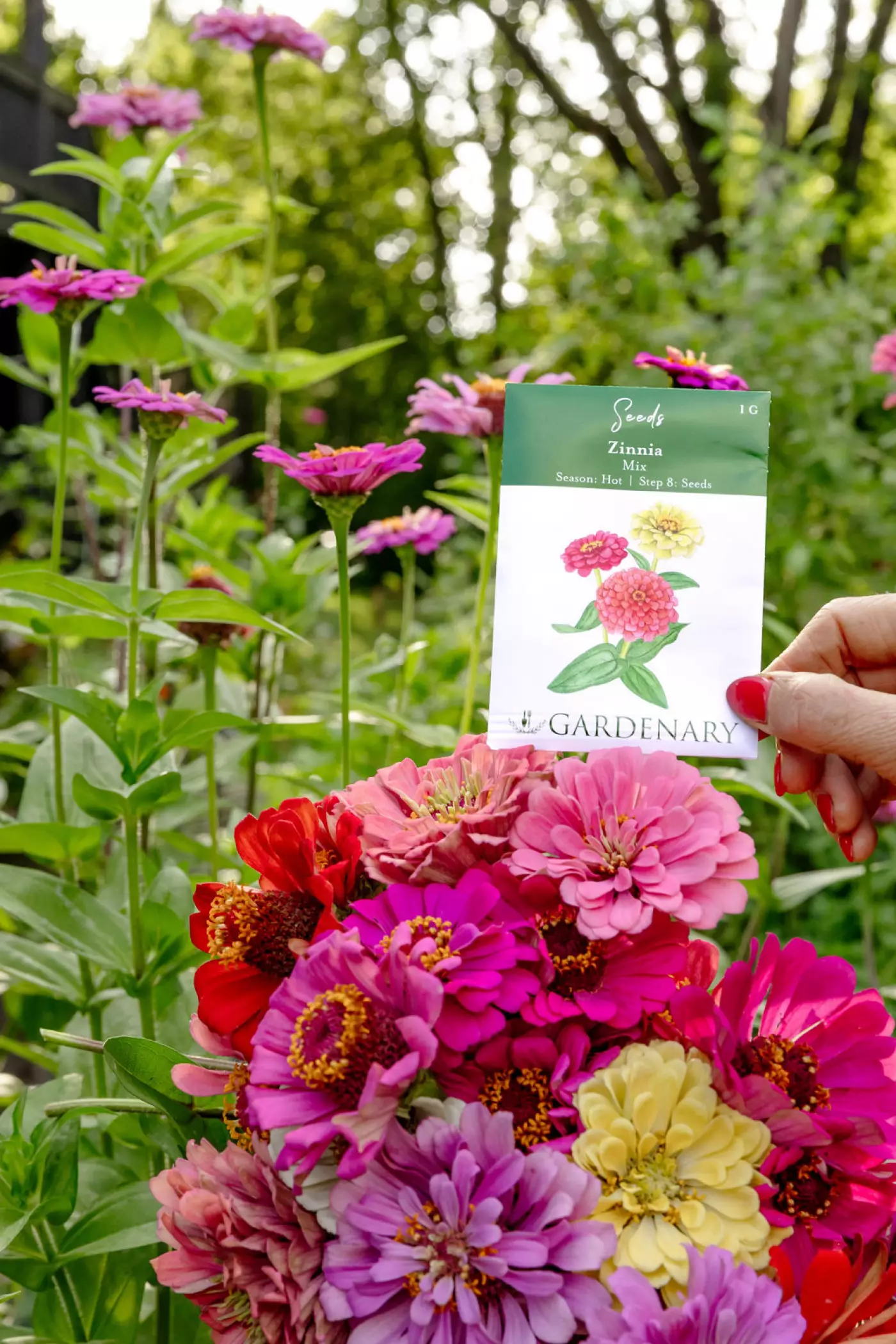
Zinnias are the easiest cut flower to grow, ever. You can sow zinnia seeds right in your soil today (assuming the threat of frost has passed). Zinnias will bring so many bees, butterflies, and hummingbirds to your garden. They also act like a trap crop for Japanese beetles (that means those beetles will leave your eggplants alone!). Zinnias are so beautiful and make summer gardening bright and magical!
You can also sow marigolds, strawflowers, and cosmos at the same time.
Cooler Climates
What Can You Plant in Cooler Areas in May?
If you identified as a number three and your last frost date is in May or June, your time is finally here, and I am so excited for you. The wait is almost over. Some of the most enthusiastic gardeners I know are the ones with the shortest seasons, because when the window opens, they are ready. Whether you're just past your frost date or still a week or two out, here is exactly what to plant right now to make the absolute most of your summer ahead.
COOL CLIMATE
Herbs
- Basil (start indoors)
- Cilantro
- Parsley
- Dill
Leafy Greens
- Spinach
- Arugula
- Red leaf lettuce
- Kale
- Bok choy
- Cabbage
- Swiss chard
Roots
- Potatoes
Fruit
- Tomatoes
- Peppers
- Shishito peppers
- Cucumbers
- Bush beans
- Zucchini
- Squash
- Pumpkins and gourds
Flowers
- Nasturtiums
- Marigolds
- Zinnias
- Calendula
- Chamomile
- Cosmos
- Strawflowers


Herbs
Start basil by seed indoors so you'll have plants ready to move out as soon as you pass your last frost date. Basil will give you so much production over your summer months.
As long as you have at least 60 days left of nice, cool weather ahead, you can plant cilantro, parsley, and dill. These herbs in the carrot family are frost tolerant, so you can go ahead and plant them as soon as your soil is workable.
Leafy Greens
Plant lots of leafy greens this month for salads. Salad season can be all too short in places that warm up pretty quickly in the May. Direct sow seeds for spinach, arugula, and tons of lettuce. I recommend red leaf lettuce, which gives you loads of harvests and lasts longer into warmer spring weather than other lettuces.
You can also plant larger plants bok choy, kale, cabbage, and Swiss chard this month. These plants will have more time to grow and thrive in your transitional garden if you buy them as transplants from your local nursery or garden center now.
Roots
You can go ahead and plant seed potatoes (tubers) now, before you've passed your last frost date. They'll be nice and protected under the soil if you get one more cold spell. I recommend planting potatoes outside of your raised beds, either in the ground or in a large container or grow bag.

Fruit
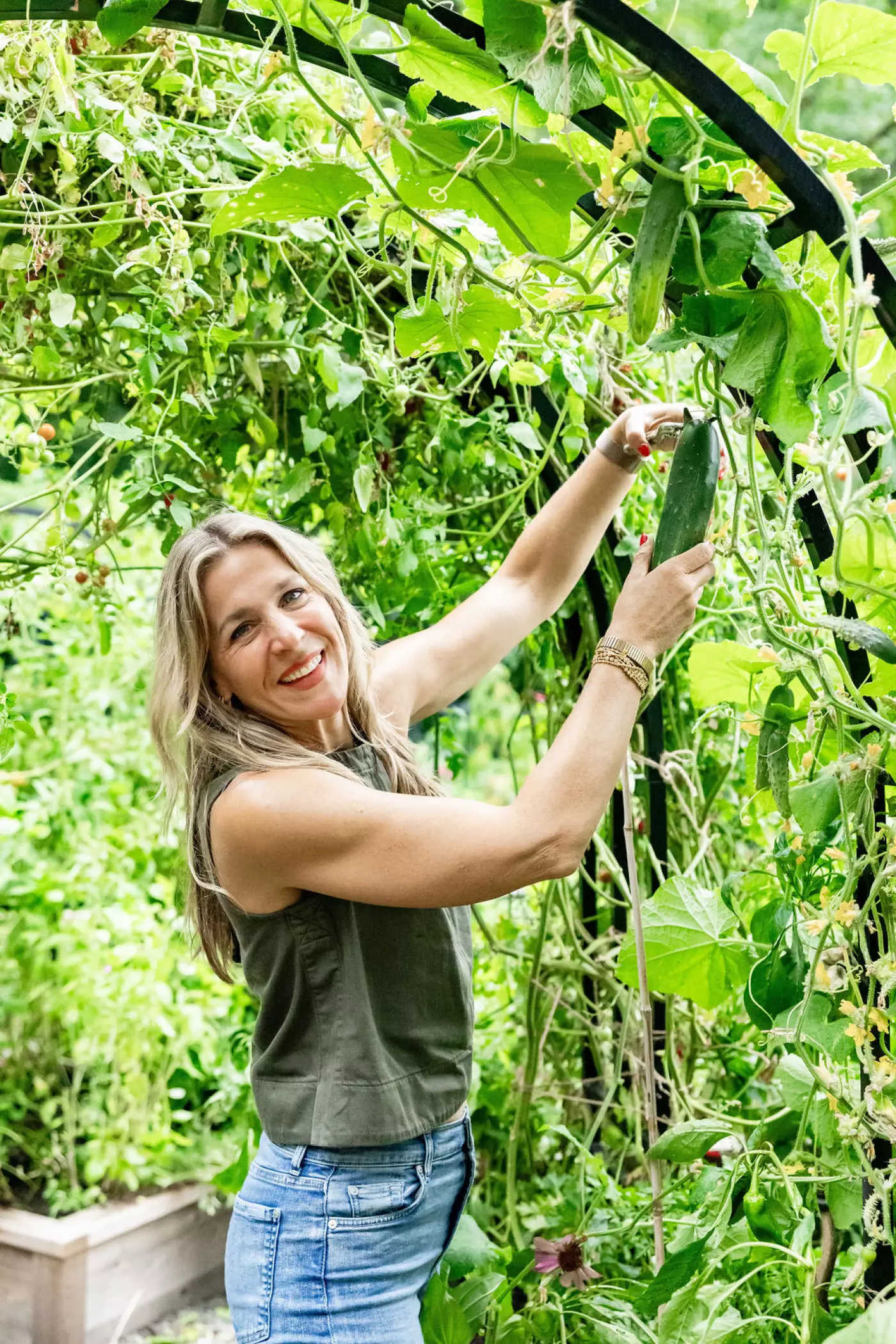
This is your month to plant the darling of the vegetable garden, tomatoes. I recommend growing a type that matures and produces fruit quickly since you've got a fairly short growing season through summer. Back when I lived in Chicago, I planted lots of small tomatoes like sungolds and Juliets next to my arch trellis, and I was harvesting bowls and bowls of little fruits by the middle of the summer. Plant tomato seedlings, not seeds, as soon as your threat of frost has passed.
Another favorite of mine when I lived in Chicago was shisito peppers. They'll give you a ton of production, and they love the milder summers up North. Plant seedlings right underneath your tomatoes, and you'll have a huge harvest by mid summer.
Cucumbers can be direct sown after your last frost date. Like tomatoes, they need to grow up a tall trellis and get lots of sunlight. I typically wait a week or two after my last frost date to make sure the soil is nice and warm before I plant my cucumber seeds.
Don't forget bush beans. This is such an easy plant to grow, and you can sow seeds if you have about 5 minutes to spare (after frost). I like to plant them right along the edge of a raised bed, where they hardly take up any room at all. You'll get tons of beans off each and every plant.
Pumpkins and large gourds are one of the most rewarding things you can grow in a cold climate — and May is exactly when to start them. Some of the best pumpkin growth I ever saw was when I was living in the Chicago area. The cool nights and warm days of a northern summer are genuinely ideal conditions for pumpkins. Start seeds indoors now if you haven't passed your last frost date, then transplant outside as soon as frost has passed. Plant them on the edge of a raised bed or in the surrounding flower beds where they have room to sprawl, and you'll be harvesting gorgeous pumpkins right around the end of October — which is very satisfying timing.
Other plants that can be direct sown after your frost window include squash and zucchini. Grow these plants either on the edge of your bed (so you can train their growth over the side) or outside of your raised beds (so you can let them sprawl). You'll get to harvest fruits in just 60 to 65 days, and these plants produce so much for you.
Flowers
May is your month to plant nasturtiums. I love these flowers. The plants are so productive and beautiful. I love to grow trailing nasturtiums and let them cascade over the side of a raised bed. You can harvest the leaves, flowers, and even seeds (all edible!). Even if you're not interested in eating any plant parts, nasturtiums are a great flower to grow for organic pest control. The flowers distract certain pests so they stay off your peppers, tomatoes, and cucumbers.
This month you can also direct sow seeds for flowers like calendula and chamomile, which prefer cooler weather. Once you've passed your last frost date, you can direct sow flowers like zinnias, marigolds, strawflowers, and cosmos.
What Are the Best Flowers to Plant in May?
Zinnias, calendula, strawflowers, nasturtiums, and marigolds can be planted outdoors by seed once your final threat of frost has passed.
If you're in a warmer climate, cosmos, petunias, and begonias planted now will continue to thrive through your hot season.
Time to Plant Your Summer Garden!
No matter what you plant, give your seeds a really good watering in and keep them moist for the first 7 to 10 days after sowing. Staying consistent is the key.
If you're ready to stop guessing and start growing with a real plan behind you, the Kitchen Garden Academy gardening course is exactly what you need.
This is the complete Gardenary system — everything from choosing your garden location and designing your raised beds to planting and managing your seasons.
It's self-paced, which means you work through it on your own schedule!
What you'll learn:
- How to choose the best location and layout for your kitchen garden
- How to design raised beds the Gardenary way
- What materials are worth investing in and what to skip
- How to plant intensively for maximum harvests in minimum space
- How to reduce weeding, fertilizing, and pest pressure naturally
- How to garden efficiently so harvesting becomes your main task
Whether this is your first garden or you're ready to finally do it right, the Kitchen Garden Academy gives you the confidence and clarity to make this your best season yet.
Enroll in the Kitchen Garden Academy
You can also kickstart your garden by watching our free workshop below!
Join the 2026 Gardening Workshop
Click on the Pinterest icon below to save this post for later!

