
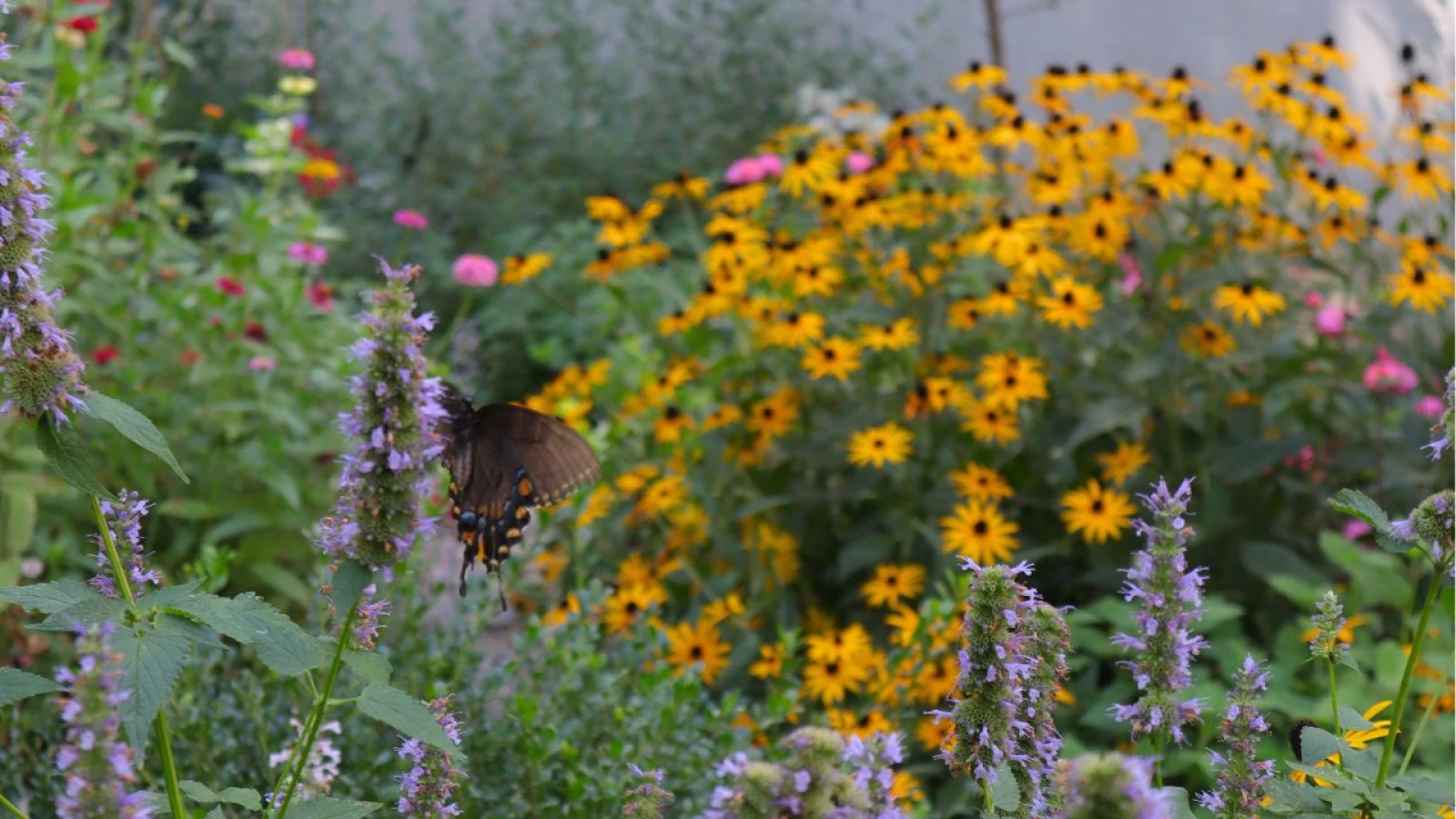
Nicole's Quick Take: Designing a native plant garden comes down to five steps: find out what's native and available near you, sort those plants by size, balance structure with evergreens and grasses, sequence your blooms across the seasons, and plant it all in tiers. Skip a step and you get the overgrown look most people are afraid of.
At a Glance
- Native plants need almost no water or fertilizer once established, and they give local wildlife food and shelter that non-native ornamentals can't.
- The most common reason native gardens look messy is that plants aren't grouped by size, so everything grows in together.
- A mix of evergreens, grasses, and bloomers keeps the space looking good in every season, not just when the flowers are out.
I Used to Think Native Plant Gardens Had to Look Wild
For a long time, I assumed a native plant garden meant giving up on tidy and pretty.
Then I started designing them for clients and worked out a five-step system that creates beautiful, low-maintenance native plant gardens.
I'm going to tell you my strategy so that you can enjoy the benefits of native plants — less water, less fuss, more pollinators — within a space that looks intentional.

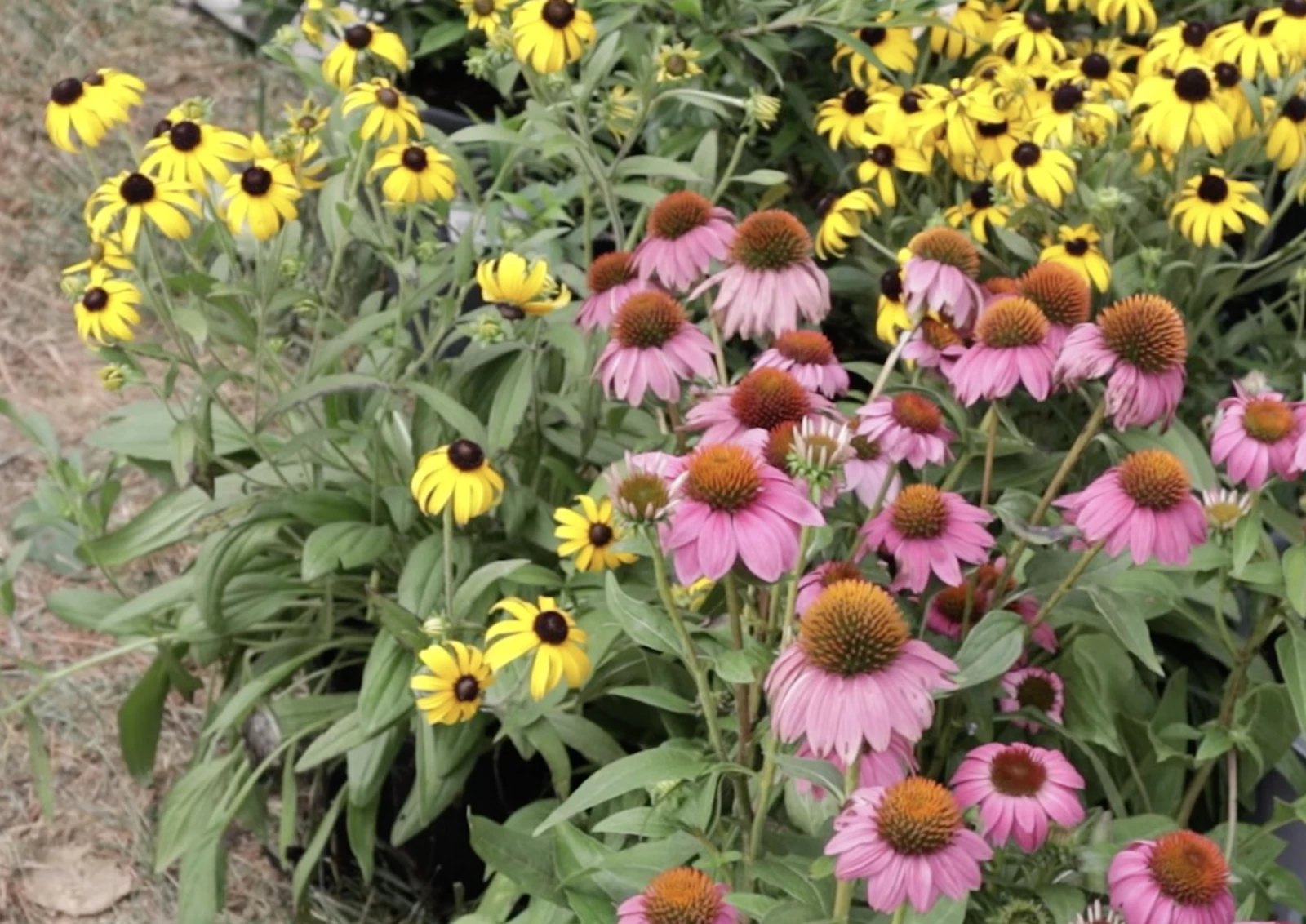
How to Design a Native Plant Garden

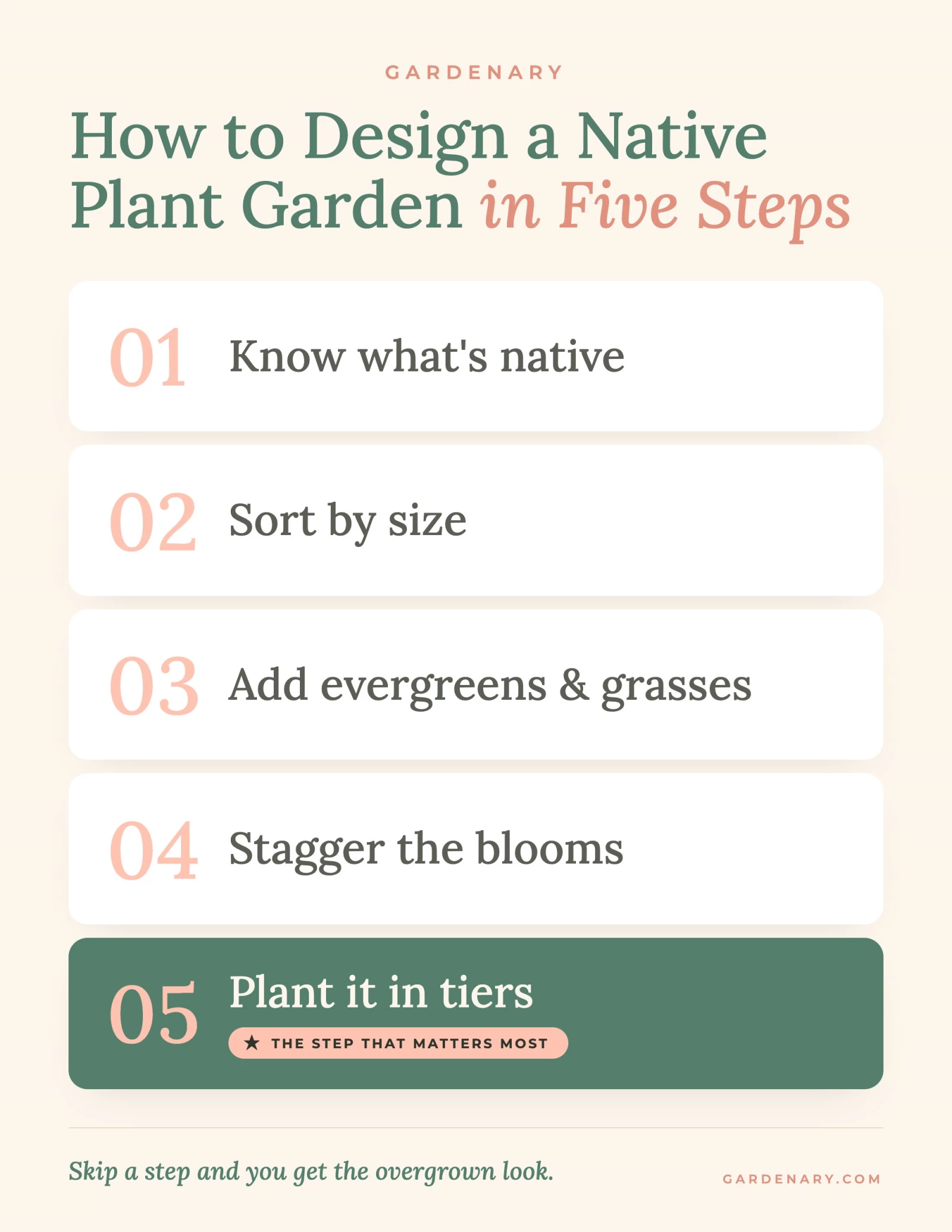
Step 1: Find Out What's Native to Your Area and Available Near You
Before you plant anything, you need two lists: what's native to your area, and what your local nursery or garden center carries.
Call around, and skip the big box stores; native plants usually aren't sitting on those shelves. Match the two lists together, and whatever overlaps is where you start.
If you live in the USA, we have a list of native plants by region here.
Step 2: Sort Your Native Plants by Size
Once you know what you're working with, sort every plant into one of three categories.
Sort plants by size:
- Large plants: 3 to 5 feet wide and tall. Think shrubs, bushes, even small trees.
- Medium plants: 1 to 2 feet wide and tall. Smaller shrubs and some spreading grasses.
- Small plants: compact, spreading, planted two to three per square foot.
This is the step most people skip, and it's the biggest reason native gardens end up looking overgrown.
When large, medium, and small plants all grow in together with no order, the whole space reads as messy no matter how nice the individual plants are.
The Native Plant Video Course That Changes Everything
Learn from garden expert Nicole Burke in this self-paced video course, walking you step by step through choosing, planting, and maintaining native plants—so you can grow a gorgeous garden with less work and more impact.

Step 3: Balance Structure With Evergreens and Grasses
A native garden full of only blooming plants looks fantastic in July and rough in January.
I learned this the hard way in my own garden, when everything gorgeous in summer just disappeared, and nothing was left to hold the space together.
The fix is structure. As you build your plant list, pay attention to three types.
Native plant types that create structure:
- Evergreens that stay green all twelve months.
- Grasses, which contribute leaves and texture even without flowers.
- Bloomers, the plants you're growing mainly for the flowers.
Make sure at least a third of your plants, across all three sizes, fall into the evergreen or grass category. That's what keeps your garden looking intentional in the dead of winter, rather than bare.

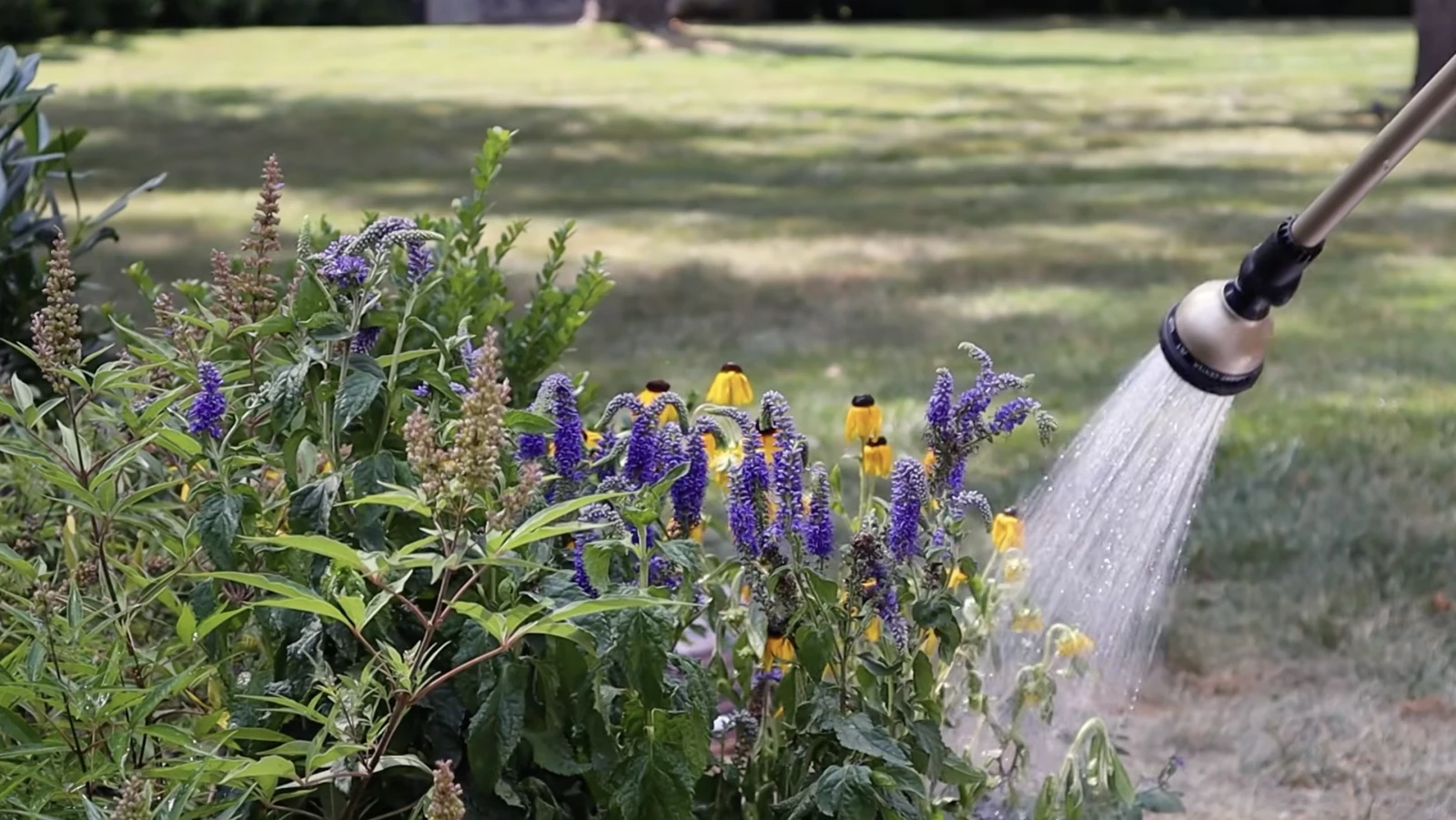
Step 4: Sequence Your Blooms Across the Seasons
With size and structure sorted, now think about the seasonal timing sequence.
Most native gardens end up with one big bloom in early summer and nothing else. That's a missed opportunity, because in almost every region there are native plants blooming from early spring through fall.
Look for early spring bloomers first, like wild roses in many regions.
Summer is the easiest season to fill, so pace yourself between early June and mid-August rather than front-loading everything.
Then look for fall bloomers, the plants most people forget, that color up as temperatures drop. Some native grasses add color in spring or late summer too.
Get this right, and you'll have flowers from March or April all the way into October or November.
Step 5: Plant It in Tiers, and Consider a Pest-Control Border
Now put it all together. For every large plant, add about two medium plants in front of it, and three to five small plants in front of those. That tiered layout is what gives a native space order and polish, even though every plant in it is technically wild.
This is also where native plants pull double duty for kitchen gardeners. A lot of gardeners plant a small native border along the edge of a raised bed setup for pest control. Native flowers draw in predatory insects, ladybugs, lacewings, and parasitic wasps that go after aphids before they reach your vegetables. Even a narrow strip along one side of your beds can help.
A native garden also doesn't have to be 100% native to count. Mine usually run mostly native with a few ornamentals a client loved mixed in. Fifty, sixty, seventy percent native still makes a real difference.
Common Mistakes to Avoid With Native Plant Gardens
- Skipping the size sort. This is the single biggest reason native gardens look overgrown.
- Planting only bloomers. You'll get one great month and a lot of bare stretches the rest of the year.
- Overplanting summer bloomers. It's the easiest season to fill, so don't let it crowd out spring and fall color.
- Treating it as all-or-nothing. A garden that's mostly native with a few ornamentals mixed in still counts, and it still works.
Native Plant FAQs
Do native plants really need less water and fertilizer?
Yes. Native plants are adapted to your local rainfall and soil, so once they're established, they typically need very little supplemental water or feeding.
Can I mix native plants with ornamental plants?
Absolutely. A native garden doesn't need to be 100% native to give you real benefits. Mixing in a few ornamentals you love is completely fine.
What native plants help with pest control in a vegetable garden?
Native flowering plants attract predatory insects like ladybugs, lacewings, and parasitic wasps that feed on aphids and other common garden pests, which helps balance pest pressure naturally.
Will a native garden look good in winter?
It can, as long as at least a third of your plants are evergreens or grasses. Those are what carry the visual interest once the blooms are gone.
Gardenary's Native Plants Course
You don’t need a green thumb or a massive yard to build a garden that’s beautiful, resilient, and buzzing with life. You just need to plant what belongs: native plants. The Native Plants Program gives you everything you need to design and grow a garden that works with nature, not against it.
Keep Reading
10 Reasons You Should Never Use Miracle-Gro in Your Garden
The Best Herbs to Grow in Shade

Are Your Radishes Ready to Harvest? Look for These 3 Signs
What to Plant in October: Vegetables for Every Climate

This Garden Consultant Started From Scratch, Now She's Featured in Martha Stewart
The Best Gardening Gifts for Every Gardener on Your List
Sources
- "Smart Flower Borders to Attract Beneficial Insects" — Michigan State University
- "The New Companion Planting: Adding Diversity to the Garden" — University of Delaware Cooperative
- "Pollinator Gardens" — University of Maryland