Join Thousands of Gardeners On the VIP List
Free perks, just for email subscribers:
- 15% Off Your First Order
- Gardening Videos & Articles
- Early Access to Sales
Sign up, check your inbox, then shop with your code.


Quick Take: A garden consultant makes a living by teaching other gardeners the systems and skills to grow their own food, not by selling produce or plants.
By Nicole Johnsey Burke: Founder of Gardenary & Author of Kitchen Garden Revival
How to Make Money Gardening
Here's a shortened version that keeps your voice:
When I went back to work after having my four kids, I knew I wanted to be my own boss for the flexibility, but I also wanted to build something I actually believed in.
I didn't have much money or time to invest. My preschooler was only in school from eight to noon, and being mom to four kids was still my top priority.
We'd been gardening as a family for about five years by then, and our garden had become my refuge, a place to find peace and beauty and keep learning, even as an adult. I loved bringing something I'd grown into the kitchen for my family. And every time I was out there tending or harvesting, one thought kept nagging at me: could I turn this joy into an actual business? Could I make money just from having my hands in the dirt?
I started googling everything, growing garlic to sell, saving rare seeds, every possible way to earn money as a gardener. I finally landed on selling the extra leafy greens from my backyard, figuring my neighbors would want locally-grown gourmet salads. I registered Rooted Garden Goods with the county.
Then a friend said something that changed everything: "Nicole, I don't actually want to buy anything from you. I want you to teach me how to garden the way you do. Have you thought about selling the knowledge instead of the produce, for people like me who want to learn but feel overwhelmed?"
That was my lightbulb moment.
Instead of spending all my time washing and packaging greens, I could share the skills themselves and watch that spark of joy hit someone else.


What Is a Garden Consultant?
The more and more I thought about becoming a garden consultant, the more sense it made. People crave doing things that make them put down their screens, move outside, and get a little dirt under their fingernails. People don’t just want to eat a tomato. They want the satisfaction of knowing they grew that tomato from seed, that it exists because they nurtured it, because they put their time and effort into it.
Plus, I could see so much more growth potential in a business that passed along knowledge than one that just sold perishable goods. So, I returned to the county clerk, bought back the registration of Rooted Garden Goods, and instead, registered simply Rooted Garden. I would be a garden consultant, not a peddler of goods from my garden.
To be clear, I didn't create the idea of a garden consultant. This was a term that already existed, with professionals already working in the space. I did note, however, that there certainly weren't very many of us. I kept an eye out for someone else, anybody else, doing what I was doing in the industry. I knew I needed a mentor if I was going to grow my business successfully, but it took me a long time to find one.
Since then, the industry has really grown. Even so, we're at the very beginning of what's possible in the garden consulting industry.
Before we explore why we need many more garden lovers to enter this industry, let's look further into what being a garden consultant means. At their core, consultants are coaches for adults.



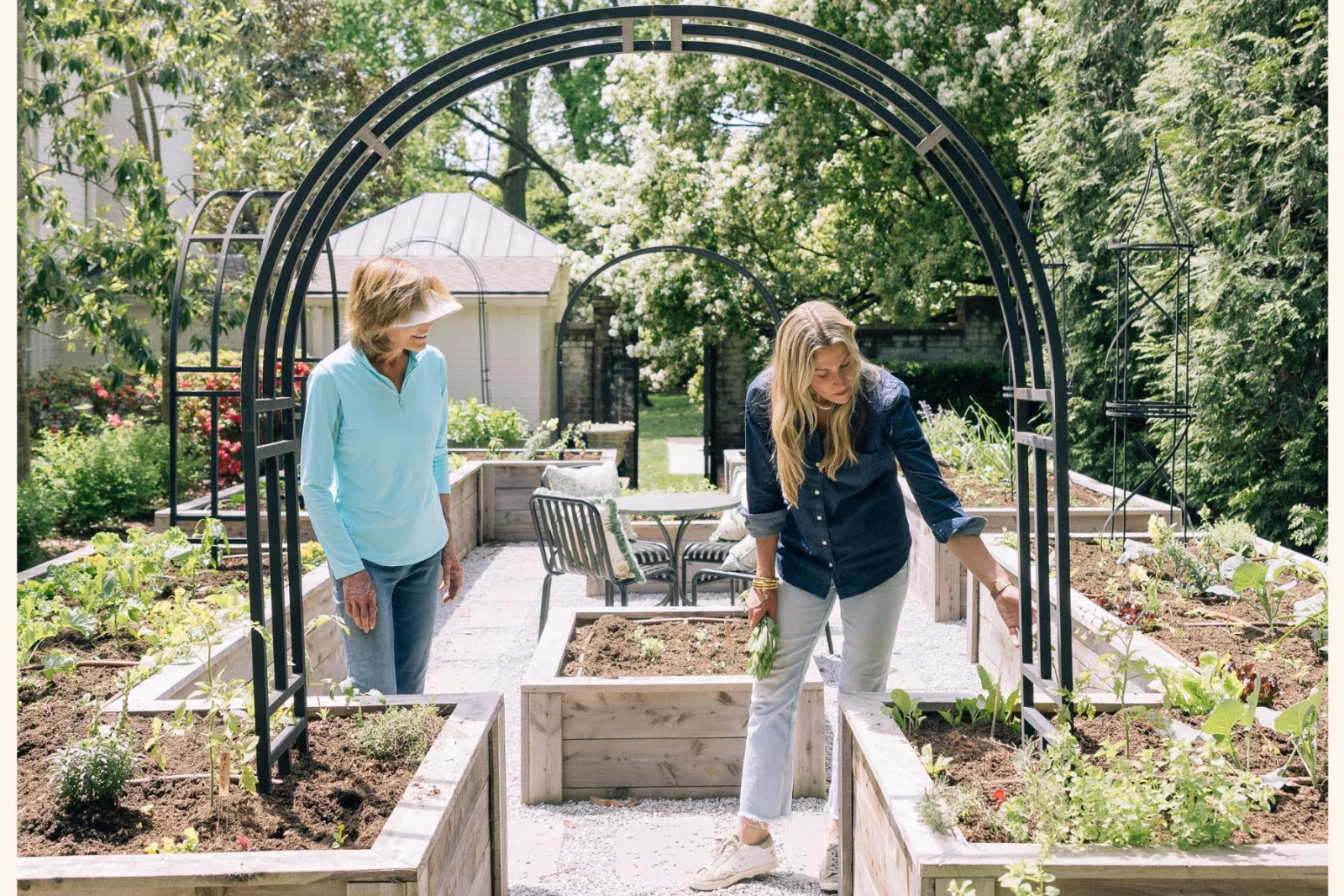
NOW ACCEPTING APPLICATIONS!
Garden Coach Academy
Join our 12-week course to launch your career as a garden consultant.
- Flexible schedule
- Meaningful income
- Do what you love
Adults Need Coaches, Too
When my 11-year-old son showed up for his first taekwondo class, I thought he would be intimidated. There were tons of other children his age or younger practicing their moves around the facility, colored belts cinched around their waists. But instead of being intimidated by his more-advanced classmates, he jumped right in.
That's because he had a great coach who came over to him and introduced himself. He explained that everyone starts as a white belt and that to earn your black belt, you have to follow a clear structure involving passing a series of tests and advancing through the different colors of belts along the way. Even though my son was just a beginner, he could visualize the milestones that he'd have to hit, the celebrations awaiting his graduations from different levels. There was a proven system already in place to train these athletes, and this gave my son the confidence he needed to enter as a beginner.
Adults need these things when we're learning a new skill, too. We need good coaches, community support, clear systems to follow to reach our goals, and motivation to keep going. We know that structures like this exist in things like sports training, music lessons, and school, but we often forget to build them into our own industries if we're not working with young learners.


We are a society with more advanced-degree holders than ever, and yet so many of us still feel that we didn’t get enough out of our education. We’re turning to YouTube, podcasts, Masterclass, and even TikTok to supplement our knowledge of how to do practical, hands-on things that we didn’t learn at our universities or high schools.
In our constant quest for coaches to teach us, we’re learning to appreciate people who’ve mastered a particular skill or reached a certain level of experience, and who want to share what they’ve learned with others. Think of life coaches or fitness coaches, even pet obedience trainers. As consumers, we’re realizing that there’s value in investing some of our money in coaching to help us acquire skills we don’t have yet but want to have. If someone wants to learn gardening, what better way than with a garden consultant by their side?
As a consultant, your job is to create the same kind of systems for gardening that my son has for taekwondo. Many adult clients will come to you feeling that they're already too late to the game or that they've killed too many plants for them to ever call themselves a gardener. Your job is to welcome them, let them know you've been where they are now, and reassure them that you have the exact steps they'll need to take to get to the point where you are now in your own gardening journey. You've built the expertise necessary to guide them through this journey they're embarking on. You have the map; you've outlined a clear path for them, and if they just stay the course with you as their guide, this is where they'll end up.
Your job is to simplify the process of learning to garden for your clients. There should be clean methods that are easy to understand and that can be taught during consultations, classes, workshops, or on-going training sessions. There should be levels your clients can graduate from that are as simple as the color of the belts in my son's taekwondo class. There should be motivating factors and celebrations to acknowledge progress. There should be a plan to keep the clients growing.
Why Does the Garden Industry Need More Coaches?
There is a large market of individuals who love the idea of being outside in the garden but who don't necessarily know how to garden. They think they don't have a green thumb because they go to a garden store and are sold all these different products without being told what the best products actually are for their situation, much less how to use them. They bring a plant home, and when it dies, they think it's their fault, when really, it was just a bad product match.
This all-too-common scenario signifies to me that there's a huge gap between products and services in the garden industry, and garden coaches/consultants can fill that gap. Skilled garden consultants have a real opportunity to educate, train, instruct, and provide design services for clients who are highly motivated to learn to succeed.
A garden consultant is both a coach who develops systems based on their own garden experiences, and a garden designer. They are the supportive guide for clients as they set up their gardens, which allows beginners to have confidence instead of feeling lost.
A garden consultant can also offer their clients a much better experience in the garden by recommending products that they know are going to work based on the system they've developed. When I say products, I don’t just mean adding a bunch of stuff to your Amazon shop so that you can make five cents off every purchase. I mean curating products that you have tested yourself and love, products that you know will work really well for your clients, and then selling those to your client. You won’t sell by handing a big magazine to your client and telling them to pick what they want. You won’t act like an influencer and tell them to swipe up to shop. You sell by charging a markup on every product you bring to the client.
When I became a garden consultant, I would procure the bed at a discounted price and grab soil bags at a wholesale price. I charged clients the retail price for both. I often brought plants from my own garden and charged them the retail price for every plant. Then, of course, I charged the client for my time to talk them through their installation.
I didn’t just randomly grab stuff off the internet to sell to my clients. By curating tried and true products, I increased their value for the client. It ends up being a great deal for the client because they don’t have to go do their own research or guesswork. You remove the overwhelming aspect of getting started for them. Best of all, the client doesn’t buy crappy products that don’t work and end up being a huge waste of money (and time, when they have to undo what they already did).
Working as a garden consultant is a simple way to begin making a profit as a gardener without needing to have a storefront and inventory, plus the overhead that comes with them.
In order for every beginner and intermediate gardener to have this type of support available to them, we obviously need more garden coaches. I want to make gardening an everyday part of life. I want it to be as ubiquitous as Instagram, yoga pants, and the most binge-able Netflix show. I want it to be a cultural norm.
My goal is to train gardeners with experience who like sharing their knowledge with others so that we can close the huge gap in the market between products and services. Ideally, I'd love to put garden consultants and coaches in every single town. We need people all over the country (all over the world!) so that when beginner gardeners come to Gardenary looking for help, they can find someone to close the gap for them.
Train to Become a Garden Consultant
Are you interested in becoming a garden consultant but feeling a little intimidated? My colleagues and I have all been there, and that's why we serve as coaches to our students inside the Garden Coach Academy. Just like my son's coach in taekwondo, we'll be there to welcome you, explain the steps of your training, and guide you. You'll learn surrounded by a community of fellow garden consultants and gardeners.
I've taken all of the things I wish someone had taught me when I was starting my own garden consulting business, plus the things I've learned from helping others start their businesses, and I've built those things into easy-to-follow lessons inside the Garden Coach Academy.I even give you systems to help your clients learn to garden that I've developed. You can use these systems as your own plug and play—all you have to do is distribute them in a way that works for you.
The next ten years offer a strategic time to enter this industry. It is our moment to create more garden consulting businesses and open up new opportunities in this field.
We’re standing on the starting line of a huge movement, and I’m so excited that you’re considering joining us!
Become a Gardenary Consultant
Learn my 3-part framework for becoming a garden consultant. I'll show you the step-by-step process my clients have followed to start and grow their garden coaching business in 90 days or less.

Real garden coaches. Real businesses. You could be next.
2,000+ students have started their garden business with Garden Coach Academy — a 12-week program with everything you need to launch and scale your own garden coaching business.


Keep Reading
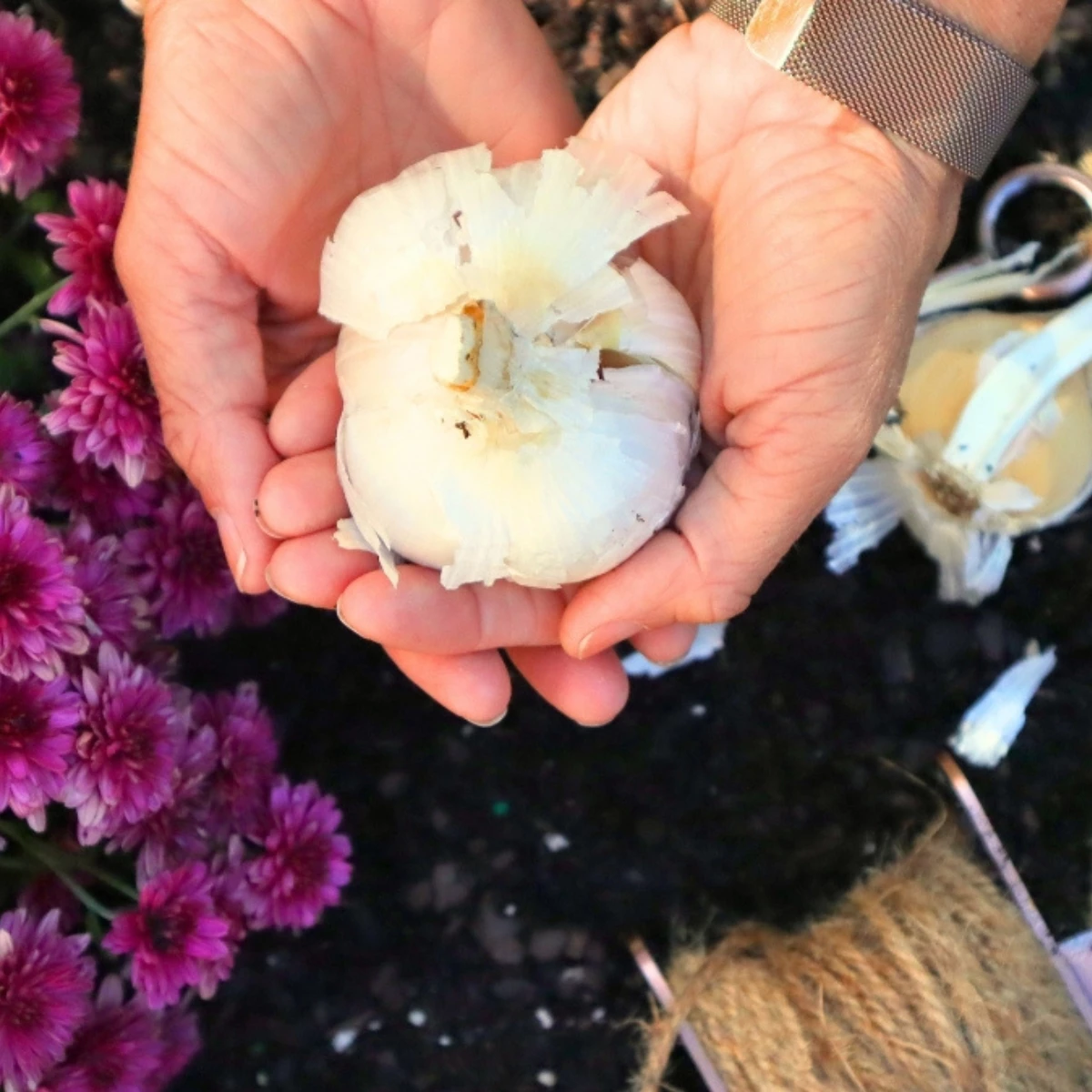
How to Grow a Lifetime Supply of Garlic: How Much to Plant and Save Each Year
Garden Coaching as a Second Career: How Kate Corrigon Built a Successful Business After Retirement
When Should I Cover My Plants? The Temperatures and Timing I Use in My Own Garden
The Galvanized Garden Trug: A Tool Caddy Too Pretty to Hide
Thanksgiving Herbs: What to Grow for Turkey, Stuffing, and Sides