Nicole's Quick Take: Before frost, pick every green tomato and sort them. Glossy, full-size fruit with a pale star on the blossom end will ripen indoors in a covered box at room temperature. Small, dull green tomatoes won't ripen, so cook those instead.
At a Glance
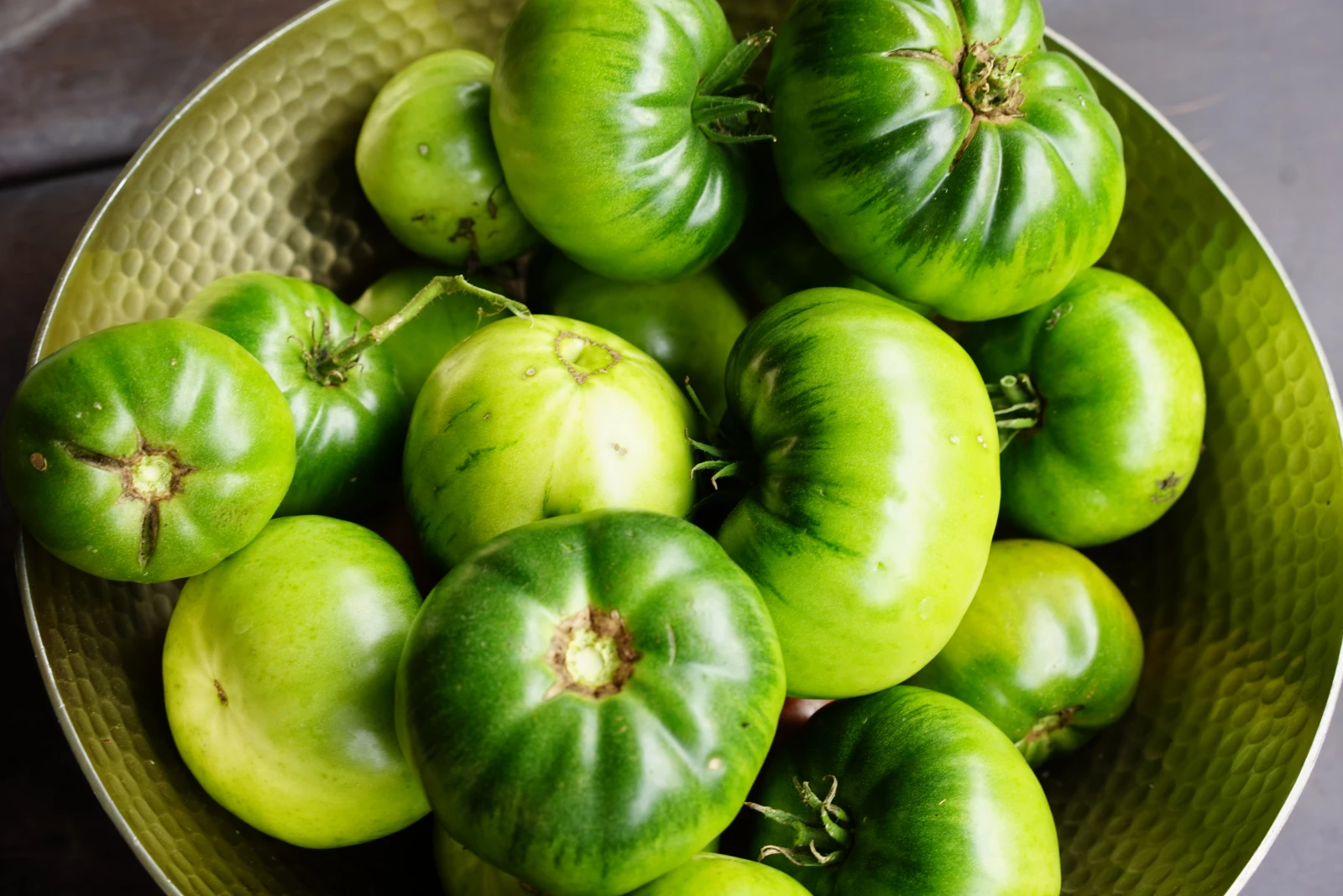
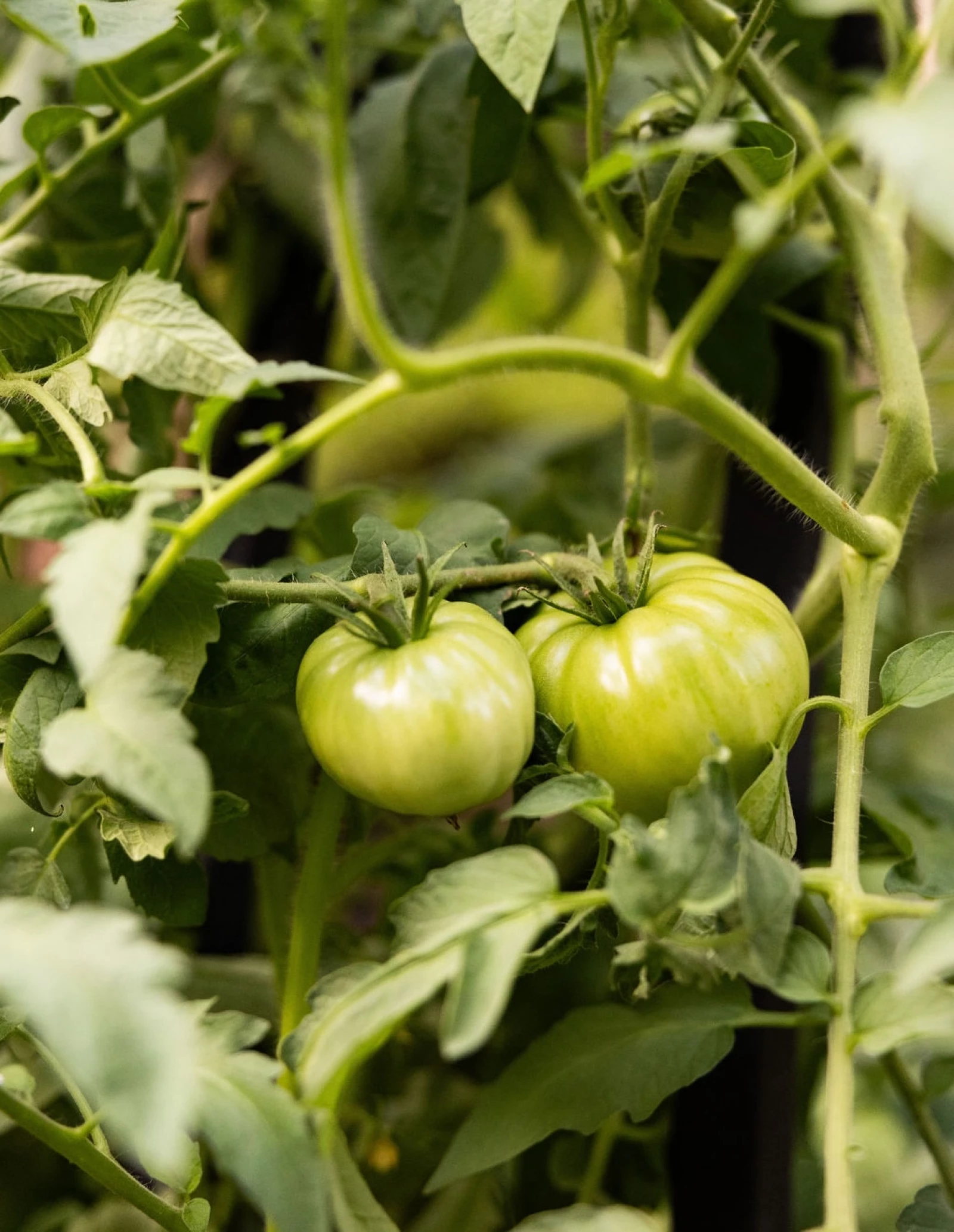
- Green tomatoes with shiny skin and a white or light green star on the bottom have reached the mature green stage and will keep ripening after you pick them.
- Tomatoes need warmth to ripen indoors, not sunlight, so a covered box on the counter works better than a sunny windowsill.
- Small, matte green tomatoes will never turn red, but they make wonderful fried green tomatoes, salsa verde, and relish.
By Nicole Johnsey Burke: Founder of Gardenary & Author of Kitchen Garden Revival

The Year Chicago Taught Me Not to Wait
My first fall gardening in Chicago, I kept telling myself the tomatoes needed just a few more days to ripen. Then an early frost rolled in overnight, and I woke up to drooping vines and a whole crop of mushy fruit.
I learned fast that frost doesn't care about your plans. Now, the moment the forecast even hints at the low 30s, I'm out there with my pruners, picking every green tomato I can find.
No tomato left behind!

When to Pick Green Tomatoes Before Frost
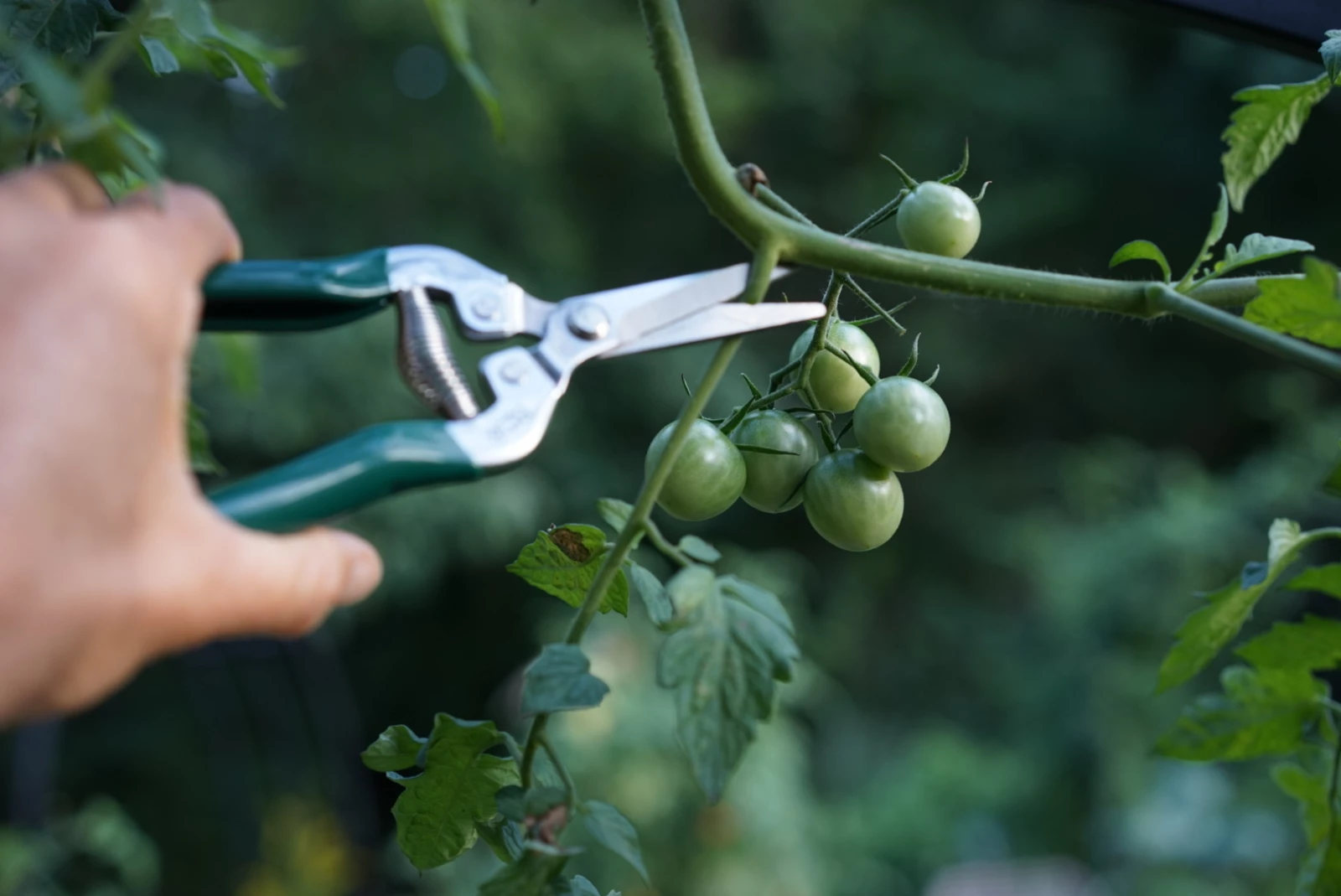
Pick every remaining tomato the day before your first frost.
Keep a close eye on your weather forecast as your predicted first frost date gets closer. Real frost can arrive a week or two early. If you don't know your first frost date, check out our frost date calculator. Just enter your zip code.
Here's how I time my final tomato harvest:
- One to two weeks before frost: Cut the top off each vine so the plant puts its energy into ripening the fruit it already has.
- When tomatoes stall: If fruit has been sitting green for two weeks in cool weather, pick it now. Shorter days and chilly nights keep it from finishing on the vine.
- When the forecast hits 32 to 34°F: Pick everything that day. Tomatoes start taking damage at these temperatures.
- After a frost: Too late for ripening. Frost-bitten fruit turns soft and watery, so compost it.
I cover the vine-topping trick in more detail in How Long Does It Take a Tomato to Ripen on the Vine? Not sure of your timing? Look up your first frost date before the cold snap sneaks up on you.
Stage | What it Looks Like | What to Do |
|---|---|---|
Breaker | A pink or orange blush starting on the blossom end | Ripen indoors. Flavor will be nearly as good as vine-ripened. |
Mature green | Full size, glossy skin, white or pale green star on the bottom | Ripen indoors. Flavor will be a little milder. |
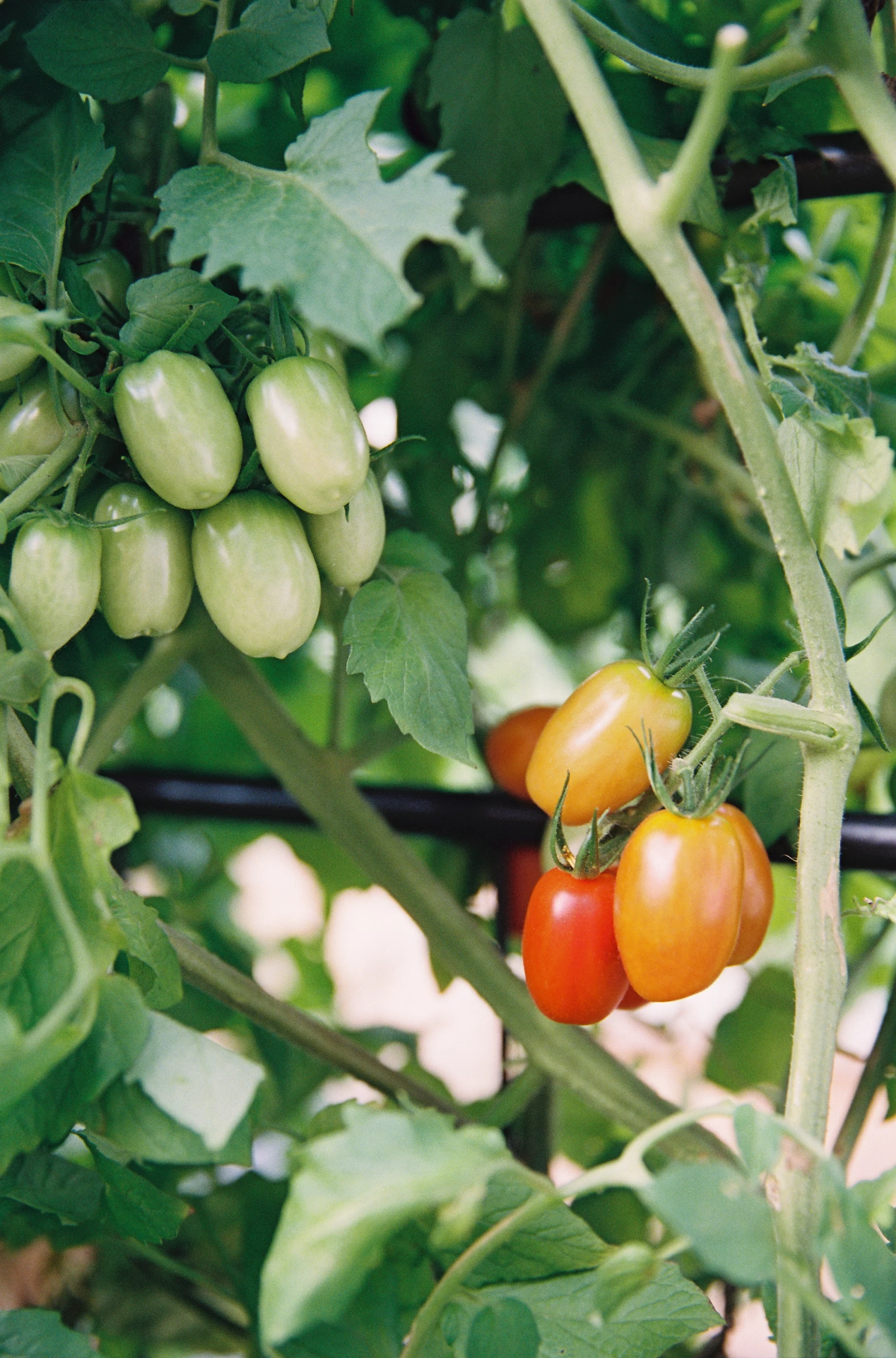
Immature green | Smaller, dull or matte skin, very hard | Won't ripen. Cook with it. |
Frost-damaged | Soft, darkened, or water-soaked patches | Compost it (or trash it if the plant was diseased). |
Tip: That little "star" on the blossom end is my favorite tell. Flip the tomato over. If you see a pale starburst and the skin is shiny, it's ready to finish indoors.
Start your dream garden. Watch the free class!

How to Ripen Green Tomatoes Indoors
This is the simple box ripening method I use every fall.
- Clean them up. Remove the stems, wipe the tomatoes clean, and let them dry completely. Moisture on the skin invites mold.
- Layer them in a box. Set them one or two layers deep in a cardboard box or shallow container, then cover with newspaper or a lid.
- Keep them warm, not sunny. Room temperature, around 65 to 70°F, is ideal. Tomatoes don't need light to ripen.
- Check every couple of days. Pull out anything that's ripe, nearly ripe, or showing soft spots.
- Speed things up if you want. Tuck a banana or a ripe red tomato into the box. Both give off ethylene, the natural gas that tells tomatoes to ripen.
Watch the humidity. Too dry and your tomatoes shrivel. Too damp and they mold. A covered box usually lands in the sweet spot.
Want to stretch your harvest? Store green tomatoes somewhere cooler, around 50 to 60°F, like a basement or garage that doesn't freeze. Then bring a few at a time into the kitchen to ripen as you need them. Just never put green tomatoes in the fridge. Cold stops ripening and ruins the flavor.

What to Cook With Tomatoes That Won't Ripen
The small, hard green tomatoes aren't a loss. They're a completely different ingredient. Their tart, firm texture holds up beautifully to heat.
- Fried green tomatoes. Thick slices, a cornmeal crust, and a hot skillet. This is the Southern classic for a reason.
- Green tomato salsa verde. Roast them with onion, garlic, and a jalapeño, then blend with cilantro and lime.
- Green tomato relish or chow-chow. A tangy, sweet condiment that's perfect on beans and burgers all winter.
- Pickled green tomato wedges. Crunchy, bright, and a fun surprise on a snack board.
- Green tomato chutney. Simmer with apples, onions, and warm spices for a holiday-worthy jar you can give away.
7 Tools, Beautifully Designed
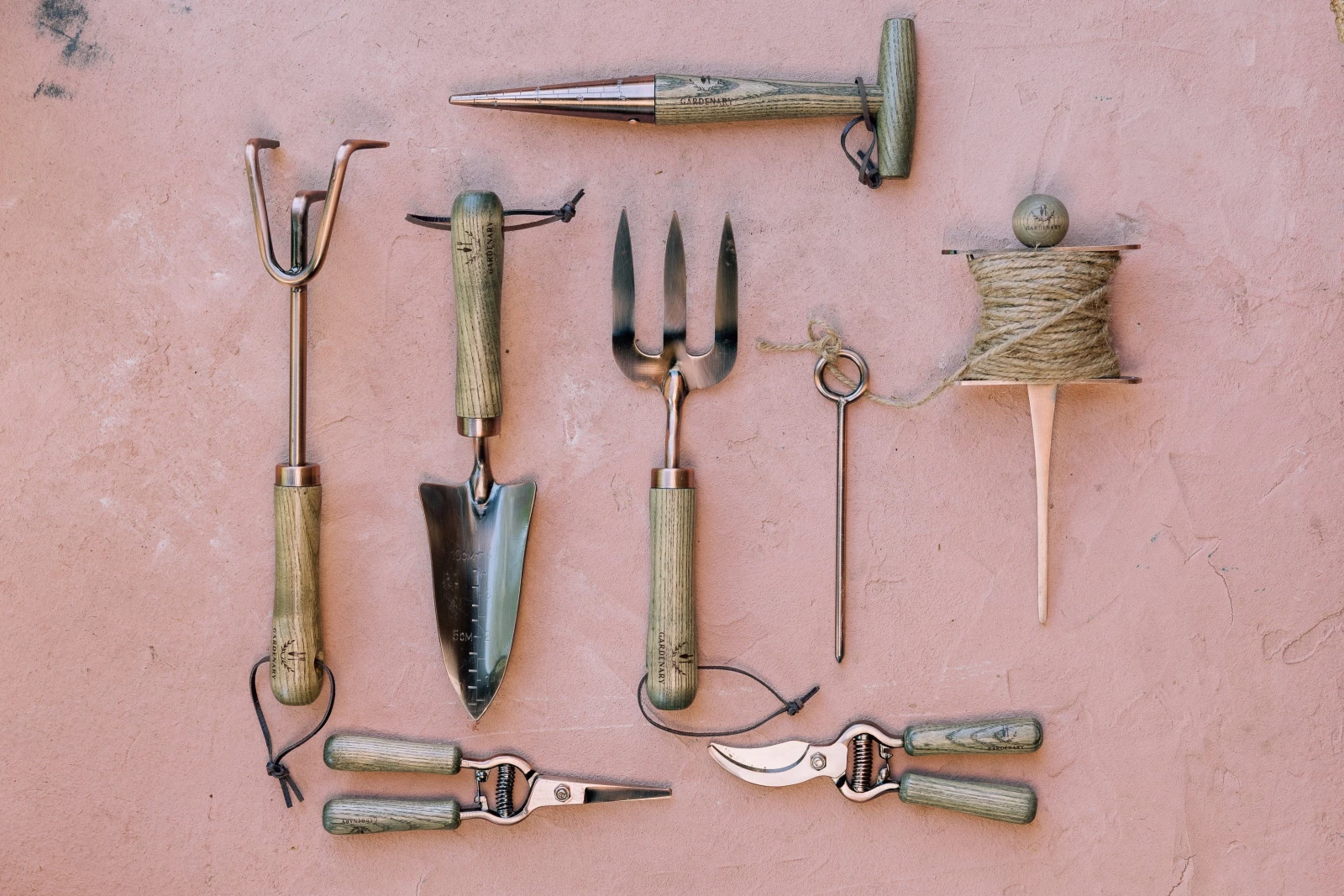
The tool set gardeners actually want, made from carbon steel with an ash wood handle and a warm copper finish.
- Bypass pruner for clean, precise harvest cuts
- Needlenose pruner for detail work in tight spaces
- Transplanting shovel for seedlings and planting holes
- Dibber for perfectly spaced seed sowing
- Cultivator for loosening soil and clearing debris
- Hand fork for weeding and working around established plants
- Row marker & planting line for straight, intentional rows
All in a gift box, ready to use.
Clearing the Tomato Plants After Harvest
Once the last tomatoes are inside, the plants can come out. Frost will finish them off anyway, and clearing them now keeps your bed clean and ready for something new. Here's how I do it:
- Untie everything first. Remove the twine, clips, and ties holding your vines to the trellis or stakes. Tomato vines wrap tighter than you'd think, and tugging them free can bend your supports and scatter broken branches across the bed.
- Cut at the soil line. Snip each main stem right at the base with pruners or the serrated edge of a hori hori. Don't yank the plant out by its roots.
- Leave the roots in the ground. They'll break down over the winter, feeding the life in your soil and leaving little channels that help water and air move through the bed. Pulling them lifts out soil and disturbs anything growing nearby.
- Clean up what's fallen. Pick up dropped fruit, yellowed leaves, and any debris around the base of the plant. Disease spores and pests love to spend the winter in whatever gets left behind.
- Sort before you compost. Chop healthy vines into smaller pieces so they break down faster in the compost bin. Anything with spotted leaves, blight, or wilt goes in the trash instead.
- Wipe down your supports and tools. A quick clean on cages, stakes, and pruners keeps disease from hitching a ride into next season.
The pruners from my Gardenary 7-Piece Copper Plated Garden Tool Set handle both jobs on harvest night, from snipping the last tomatoes to cutting the spent stems.
Once the bed is clear:
- Spread 1 to 2 inches of compost over the open space.
- Plant something new right away, like garlic or a cover crop for winter.
- Make a note to grow tomatoes in a different spot next year. Moving them around helps keep soil-borne diseases from building up.
For the rest of the beds, here's my list of plants to remove before your first frost (and what to keep).
Grow up, not out! Get your free vertical growing guide.
This free 28-page ebook shows you how to grow tomatoes, cucumbers, peas, and more on vertical supports — so you get more food, better airflow, and a garden that actually looks beautiful. No extra square footage required.
Where Harvesting Green Tomatoes Goes Wrong
- Waiting until after the frost. Frost-damaged tomatoes turn mushy and won't ripen. Pick the day before, not the morning after.
- Lining them up on a sunny windowsill. Direct sun can overheat and shrivel them. Warmth does the work, not light.
- Refrigerating green tomatoes. The cold stops ripening for good. Keep them at room temperature until they're red.
- Piling them deep. Stacking tomatoes several layers high bruises the bottom ones and traps moisture. One or two layers is plenty.
- Tossing the small ones. Immature green tomatoes won't ripen, but they're some of the best cooking tomatoes you'll grow all year.
Green Tomato FAQs
Will green tomatoes ripen if I pick them before frost?
Yes, as long as they've reached the mature green stage. Look for full-size fruit with glossy skin and a white or pale green star on the blossom end. Small, dull green tomatoes won't ripen off the vine, so use those for cooking.
How long does it take green tomatoes to ripen indoors?
Most mature green tomatoes ripen in one to three weeks at room temperature. Tomatoes that already show a pink blush will ripen fastest. Adding a banana or a ripe tomato to the box speeds things up.
Should I put green tomatoes in a paper bag or on a sunny windowsill?
A paper bag or a covered cardboard box is the better choice. Tomatoes need warmth to ripen, not light, and direct sun can shrivel them. Keep them around 65 to 70°F and check them every couple of days.
What's the best tool for harvesting tomatoes before frost?
A sharp pair of pruners makes harvest night faster and protects the fruit from tearing. The Gardenary 7-Piece Copper Plated Garden Tool Set includes the hand tools I use to harvest tomatoes and clear spent plants at the end of the season.
Become a Gardenary VIP!
FREE PERKS, just for email subscribers:
- Coupons & discount codes
- Gardening tips
- Videos
- Insider news
↓ ENTER YOUR EMAIL BELOW! ↓
Join The List!
Thousands of gardeners are already receiving perks on the VIP list!
Keep Reading
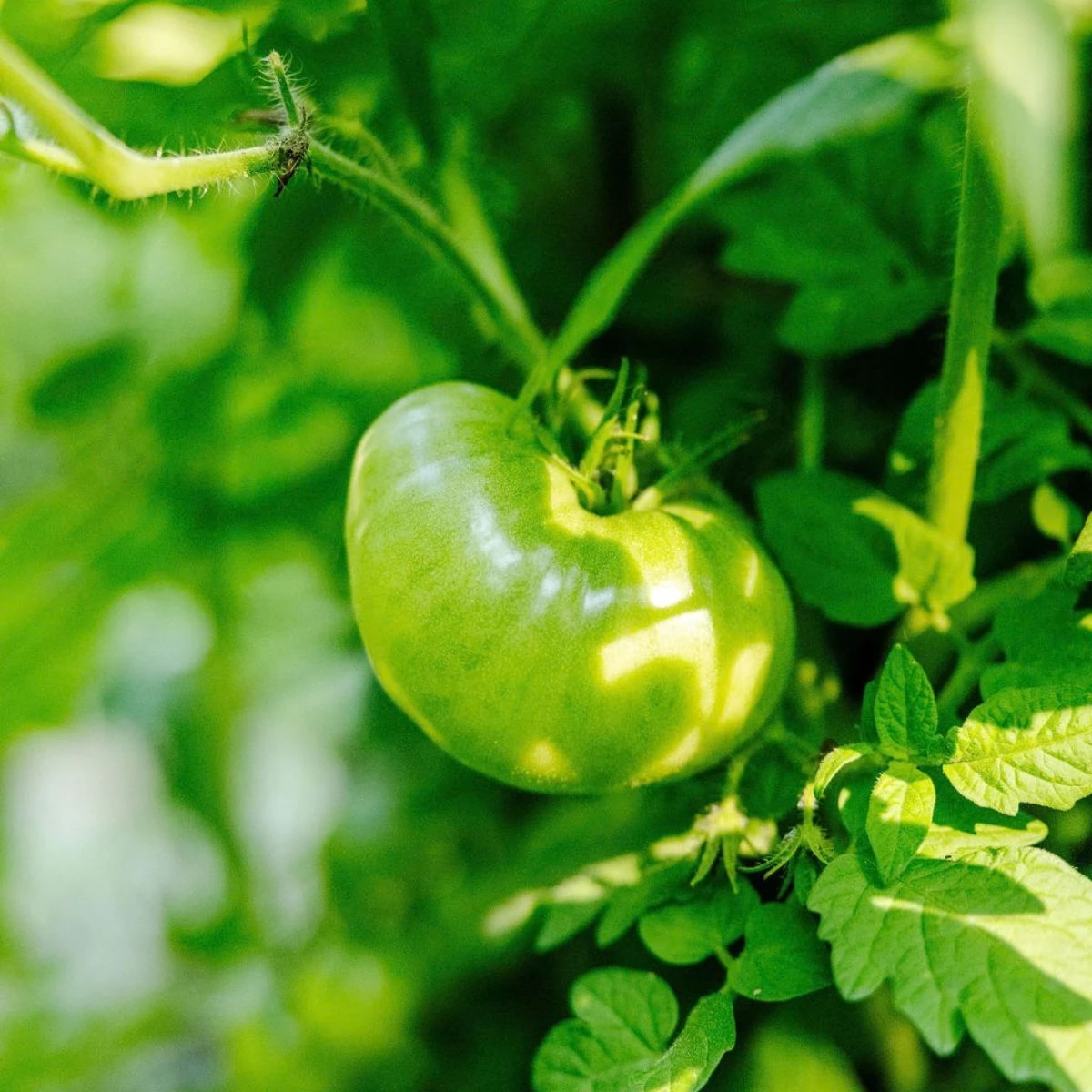
What to Do With Green Tomatoes Before Frost (and How to Tell Which Ones Will Ripen)
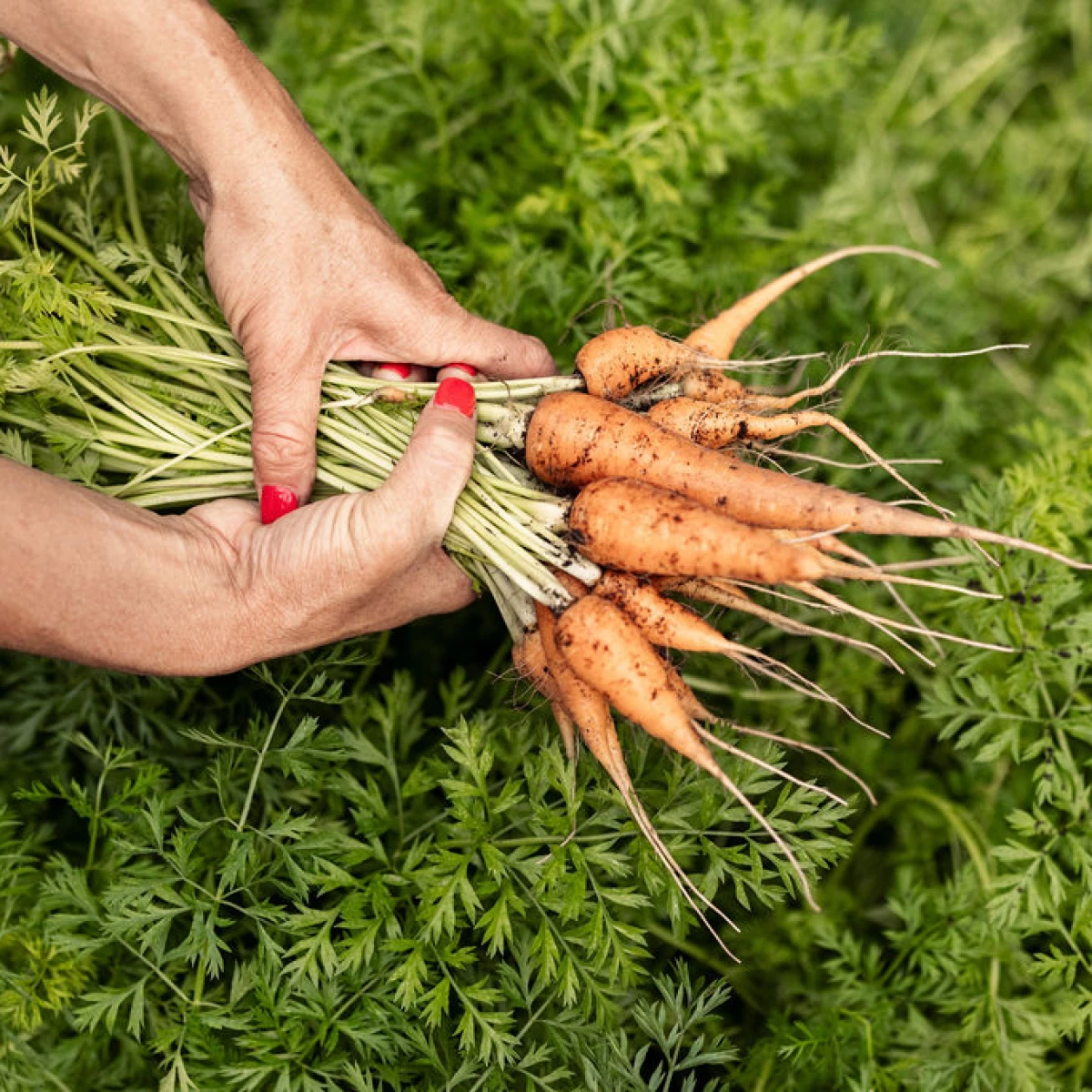
3 Signs Your Carrots Are Ready to Be Harvested from the Garden
Best Types of Lettuce to Grow in Your Garden
The Best Soil Blocker for Seed Starting and How to Use It

How Much Can You Make as a Garden Consultant?
Keep Squirrels and Birds Out of Your Tomatoes (Give Them This Instead!)
Sources
- "Ripening Tomatoes Indoors" — Colorado State University
- "Can I ripen green tomatoes indoors before frost?" — Iowa State University and Outreach
- "Growing Tomatoes in a Home Garden" — University of Maryland
- "Uneven Ripening of Vegetables" — University of Maryland