Nicole's Quick Take: Squirrels and birds usually bite tomatoes for the juice, not the fruit, especially during hot, dry weather. The best organic fix I've found is giving them water somewhere else. A bird bath or shallow dish of fresh water near your garden meets their need first, and my tomatoes stay almost untouched.
At a Glance
- A tomato with one bite taken out and the rest left behind is a classic sign of a thirsty animal, not a hungry one.
- Wildlife feed more heavily on vegetable crops during dry spells.
- If water alone doesn't solve it, a native plant living fence, a trellis, and picking at first blush are your next best organic moves.
By Nicole Johnsey Burke: Founder of Gardenary & Author of Kitchen Garden Revival
The Tomato Thief That Drove Me Crazy in Houston
When I was gardening in Houston, I'd walk out to my tomatoes and find the same frustrating scene over and over again. One small bite would be removed from my tomatoes, and the rest of the fruit completely untouched. If you're going to take my tomato, at least take the whole thing!
How do I keep squirrels and birds out of my tomato plants? Here's the answer that finally worked for me.
Stop Spraying. Start Gardening Smarter.
Organic Pest Control Made Simple
No harsh sprays. No endless guessing. Just a thriving, abundant garden that practically protects itself. With the Organic Pest Control Method, you’ll learn Nicole Burke's exact steps to grow naturally and confidently, season after season.
Why Squirrels and Birds Bite Your Tomatoes (It's Usually About Water)
Here's what I eventually figured out. Squirrels and birds often aren't after the flesh of the tomato at all. They're after the juice.
Wild animals are just trying to survive, and in the middle of summer that means not getting dehydrated. Wildlife feed more heavily on vegetable crops during dry seasons when little water is available. A ripe tomato is basically a little water balloon hanging on a vine.
Signs your tomato thief is thirsty, not hungry:
- One bite per fruit. The skin is broken in one spot and the rest is fine.
- Several tomatoes sampled instead of one eaten completely.
- Timing. Damage spikes during heat waves, droughts, or long stretches without rain.
Right now, at the end of summer, most of my garden is dried up from the heat and drought. But my tomato plants are hanging on, and almost every fruit is spotless. That's not luck. It's water.

First, Figure Out Who's Biting
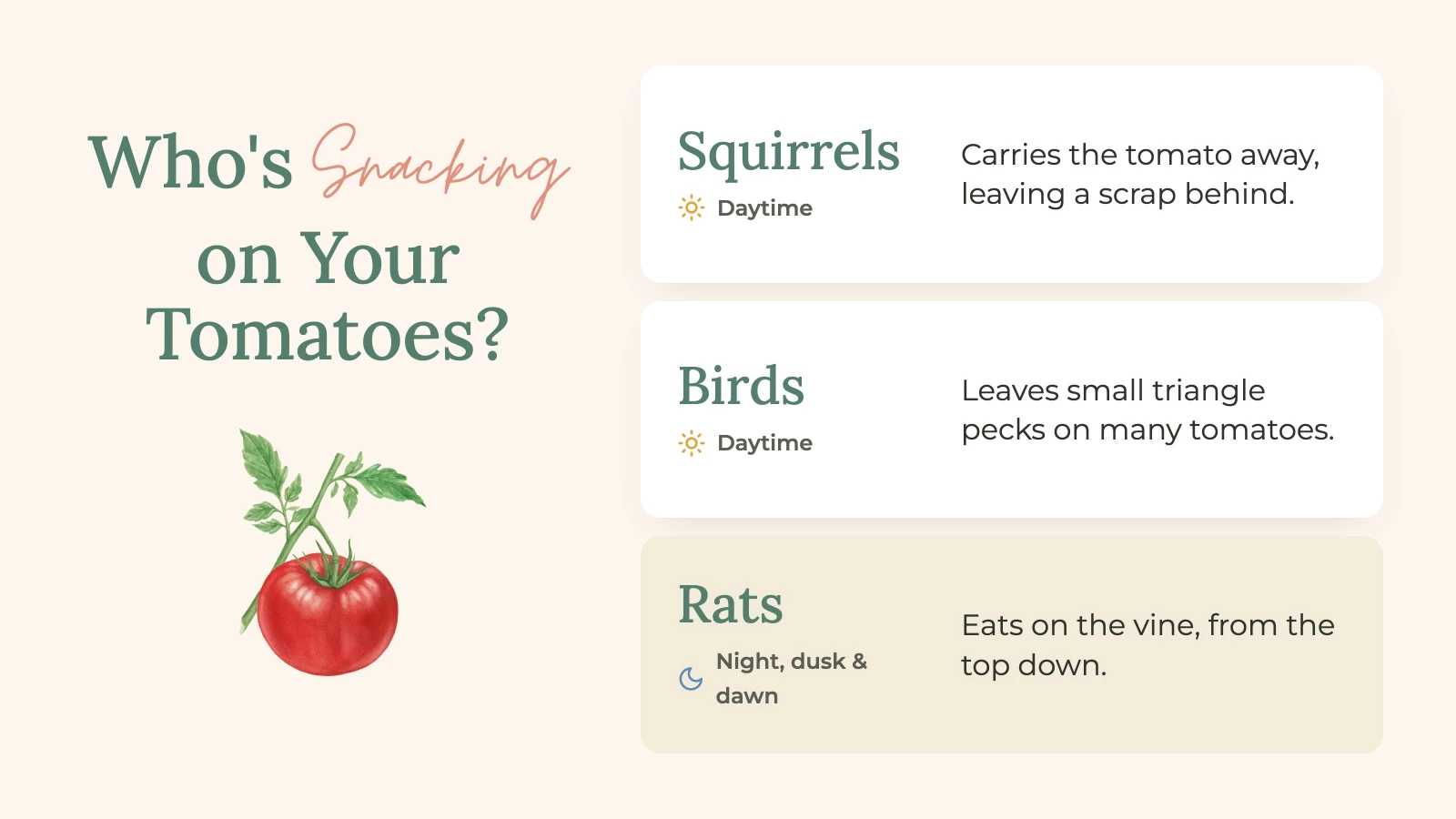
Before you fix the problem, it helps to know who's causing it. The clues are pretty easy to read once you know what to look for.
Pest identification:
- Squirrels are active only during the day. They often carry a tomato off to eat it somewhere else, so you may find just a small leftover piece nearby.
- Birds leave small, triangular peck marks and usually sample lots of fruit without doing much damage to any single one.
- Rats do their damage at night or around dusk and dawn. They cling to the plant and eat the tomato right where it hangs, usually from the top.
If you're dealing with squirrels or birds, keep reading. This water trick is made for them.
The Two Questions I Ask About Every Garden Pest
I don't have everything figured out when it comes to pests. But I've learned to ask two questions before I do anything else.
Question 1: Can I Suggest a Predator Is Nearby?
This is my first move for most animal pests. It works beautifully for keeping rabbits out of the garden, and I cover the whole idea in my guide to keeping animals out of your kitchen garden.
It's trickier with squirrels and birds, though:
- Squirrel predators are mostly owls and snakes, and it's hard to convince a squirrel they're hanging around.
- Birds can simply fly away from a predator, so the threat doesn't scare them off for long.
Question 2: What Is This Pest Looking For?
Every animal that visits your garden wants one of three things: food, shelter, or water. Figure out which one, and then ask yourself a simple question. Can I meet that need somewhere else, before they reach my treasured plants?
For squirrels and birds on tomatoes, the answer is almost always water.

The Simple Fix: Give Them a Water Source
I first started thinking about this when I learned about creating a wildlife habitat. One of the key items on that checklist is a water source. And I realized my garden didn't have one.
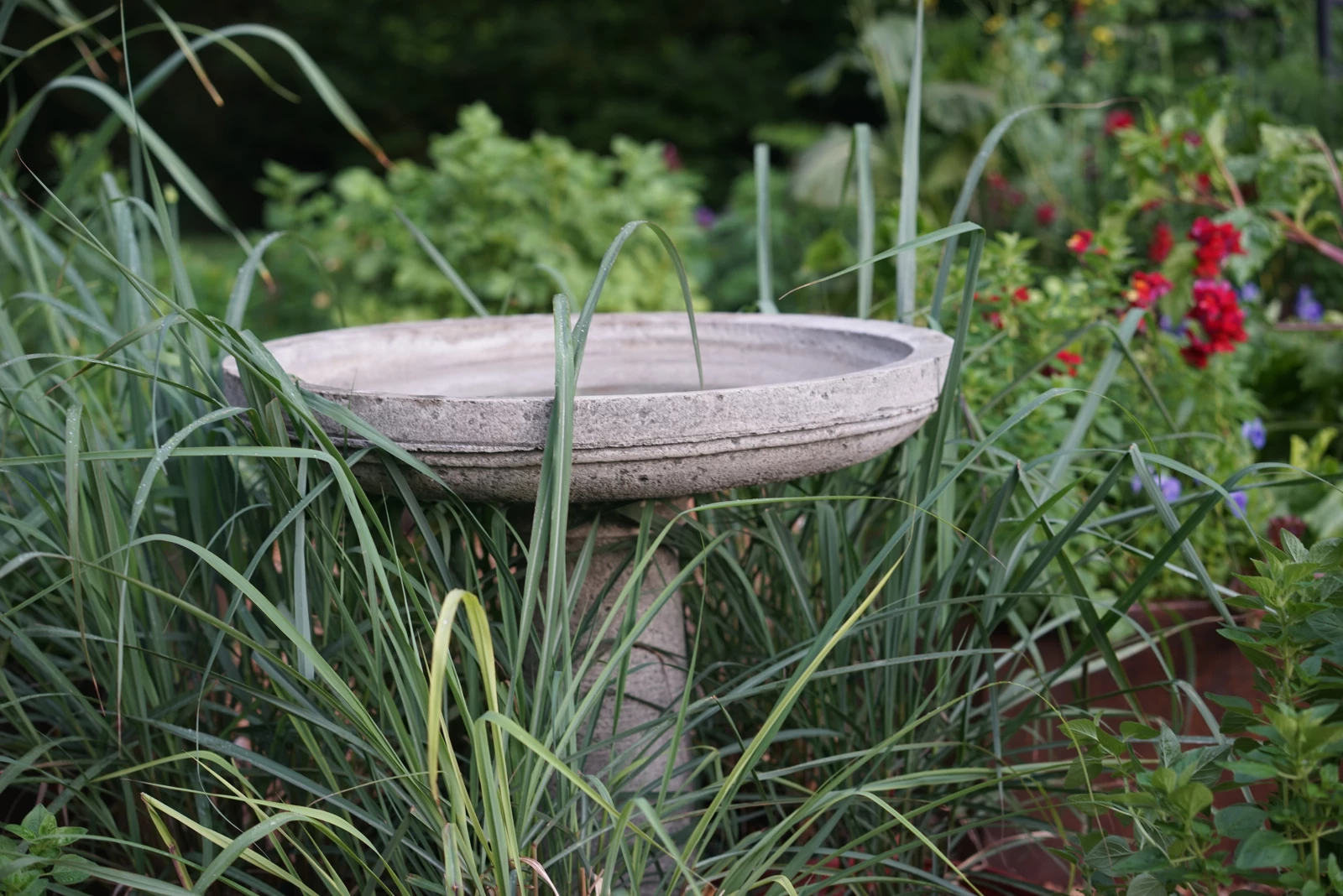
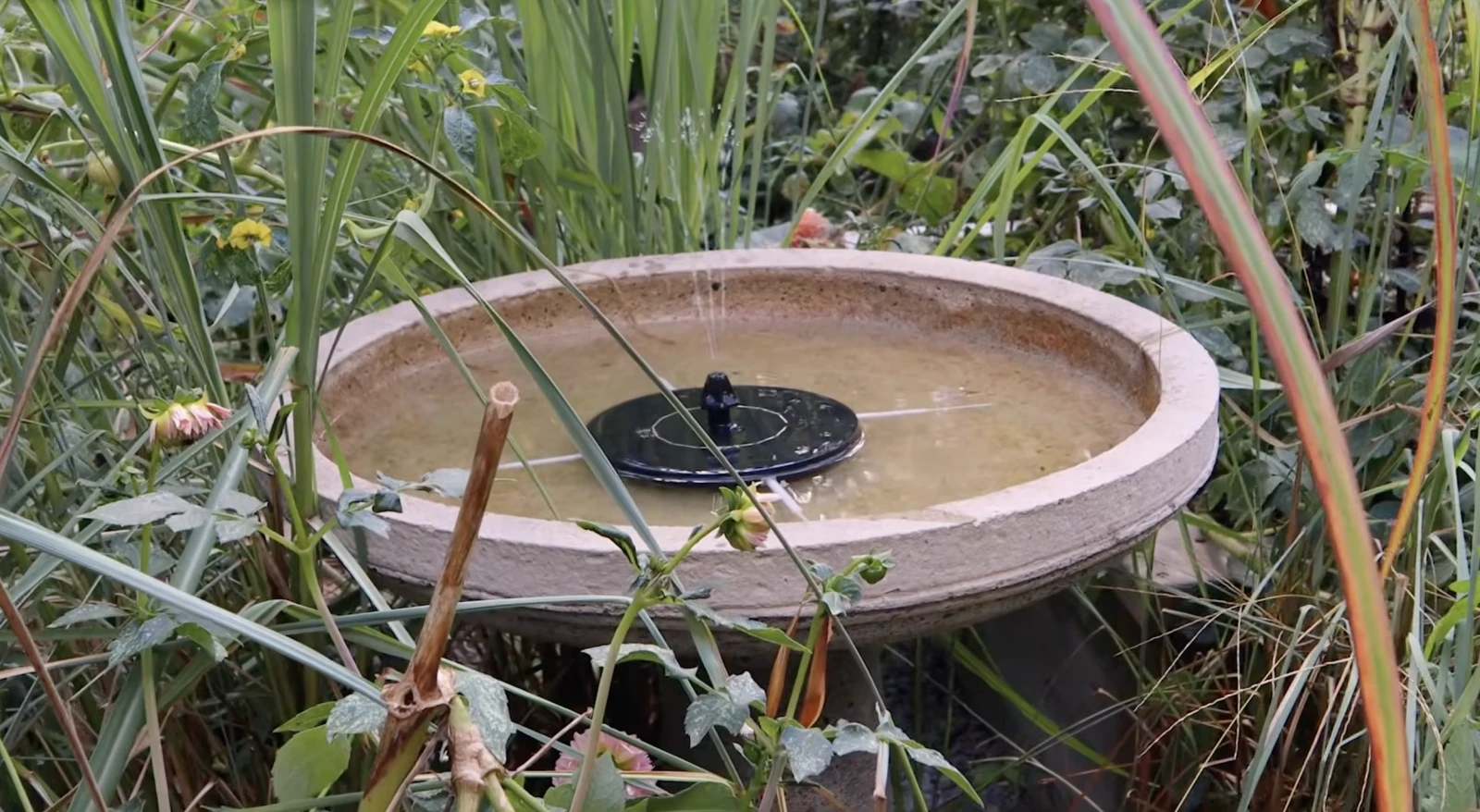
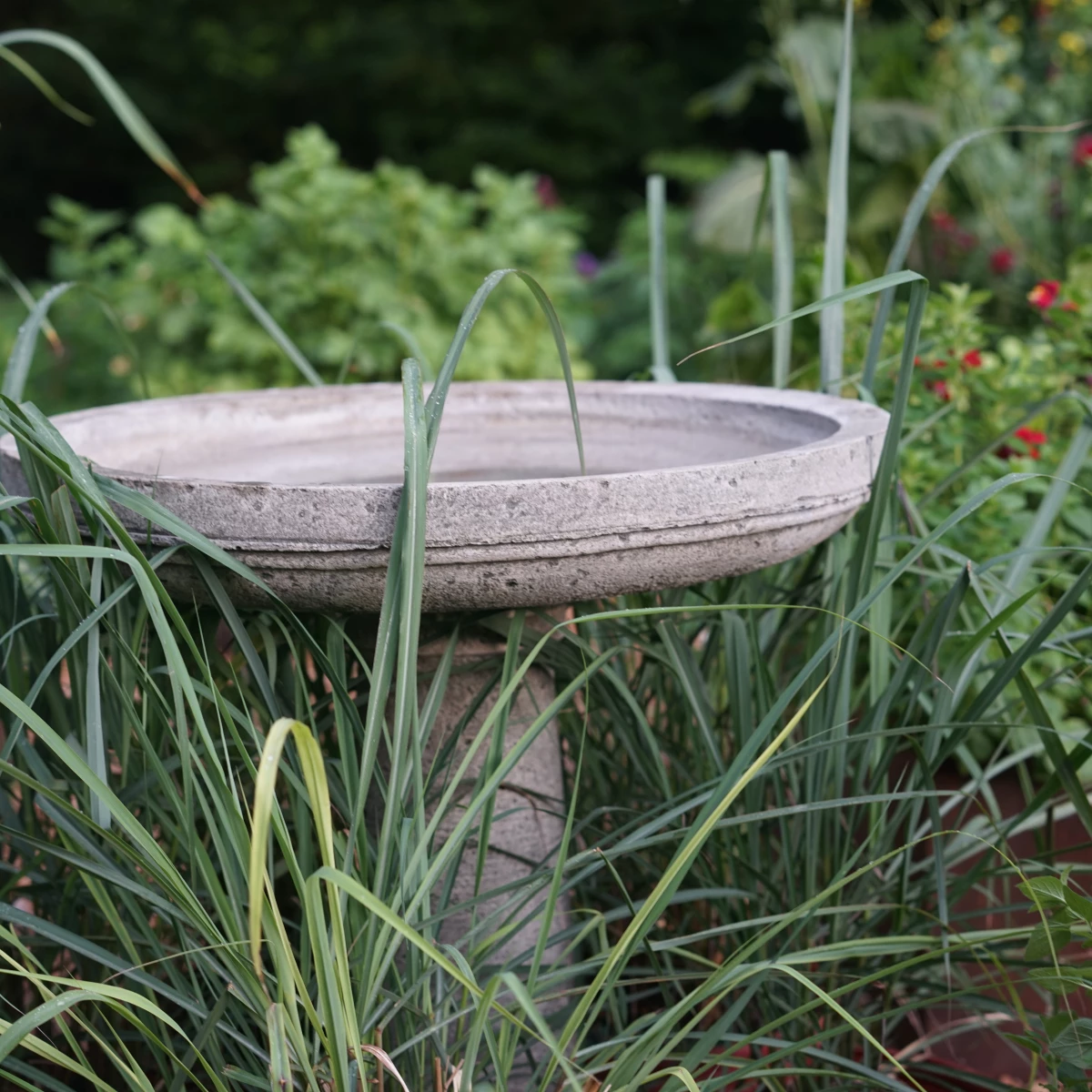
So when I designed my current kitchen garden, I put a bird bath right in the center. Season after season, I've had less and less trouble with animals taking bites out of my tomatoes. At different times of day, I look out and see all kinds of wildlife drinking and taking little baths. The last time I filled it up, a yellow jacket was already in there getting a drink.
A water feature makes a lovely focal point in a kitchen garden, too. In my own space, the bird bath sits right in the middle of my Gardenary Cedar Raised Garden Beds, and it looks like it was always meant to be there. If you're planning a new garden layout, leave a spot open in the center. You'll love how it ties everything together.
Water Source Ideas (Any Size Works)
Your water source can be as fancy or as simple as you like:
- A classic bird bath on a pedestal, like mine.
- A fountain, if you want something more magnificent.
- A plant pot saucer filled with a few rocks and fresh water.
- A ground-level dish. Squirrels and chipmunks are more likely to use water at or near ground level, so a low dish is a smart add-on if squirrels are your main problem.
Where to Put It
- Somewhere obvious in or near your garden, so wildlife find it before they find your tomatoes.
- Near a shrub or low branches so birds feel safe and can escape quickly.
- In partial shade if you can, which keeps the water cooler and slows algae growth.
- Not directly under a bird feeder, since seed and droppings will dirty the water fast.
How to Keep It Fresh and Clean
Keeping a bird bath clean is the tricky part. I rinse mine out regularly.
Here's what makes it easier:
- Keep it shallow. Birds only use water that's two to three inches deep at most.
- Give them grip. Add a few small rocks if your basin has a slick surface.
- Change the water daily in summer. This keeps it fresh and stops mosquito larvae from hatching.
- Scrub it weekly with a brush, mild soap, and water to remove algae.
- Add a small solar bubbler. Moving water stays fresher and cleaner, and the sound draws in birds.
My easiest habit? Every time I'm out watering the garden, I walk over and top off the bird bath. It takes ten seconds.

When Water Isn't Enough: My Next Steps
This isn't foolproof. I still lose a tomato here and there. But ever since I added a water feature, I get more and more fruit that's perfect and pest-free. If you set up water and you're still seeing damage, here's what I'd try next.
Build a Living Fence Around Your Garden
Water is only one part of a wildlife habitat. Animals also want a food source, shelter, and a place to raise their young. A border of native plants around your garden gives them all of that outside your vegetable beds.
It's not a failproof system either. But it's so much better than chemical sprays, and it takes pest protection to a whole new level. I walk through the full setup in my article on surrounding your vegetable garden with a living fence.
Pick at First Blush
Tomatoes are one of the few fruits that keep ripening after you pick them. If squirrels keep beating you to the harvest, cut the fruit as soon as it starts to blush and let it finish on a windowsill or in a brown paper bag. The flavor is best when fruit stays on the vine, so I save this for when the thieves are winning. Here's more on how long a tomato takes to ripen on the vine.
Always cut tomato clusters instead of pulling them. Pulling can tear the stem and damage the branch.
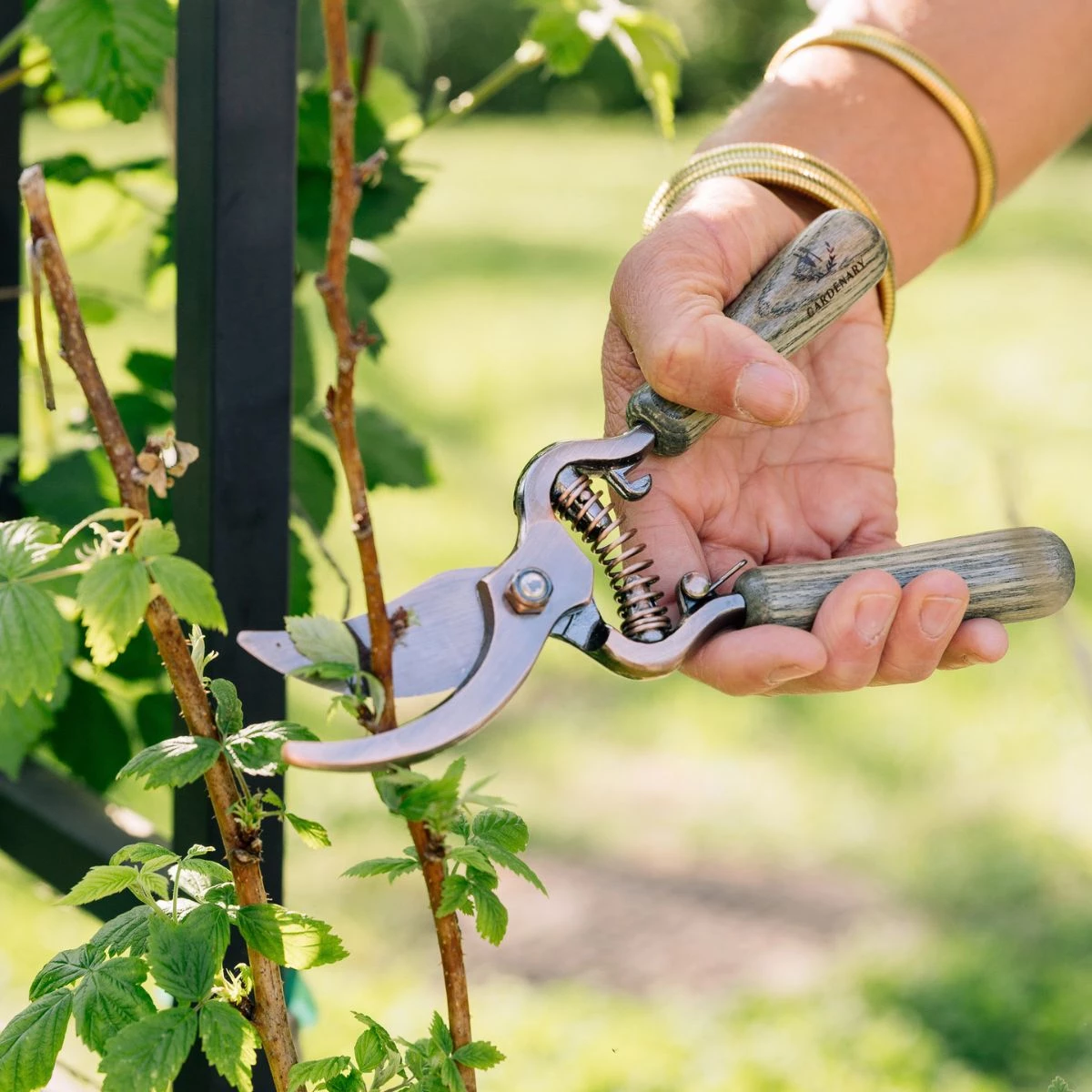
My harvest tool of choice: the bypass pruner in the Gardenary Copper Garden Tool Set. It makes a clean, plant-healthy cut on tomato stems, and the set includes six other hand tools I reach for all season. The copper and ash wood handles are so pretty, you'll want them hanging somewhere you can see them.
Add a Trellis: Grow Your Tomatoes Up, Not Out
A tomato vine sprawling across the soil is an open invitation to every critter in the neighborhood. That's why I grow mine vertically on the Nicole Panel Trellis. When fruit hangs up high, it's harder for animals to reach and easier for you to spot that first blush.
Want a showstopper? The Nicole Arch Trellis does the same job with a lot more drama. It sells out often, so grab one when it's in stock. For keeping vines tidy, here's my take on pruning tomatoes.
Add a Physical Barrier (My Last Resort)
If nothing else works, a barrier is the next step. I prefer to start small:
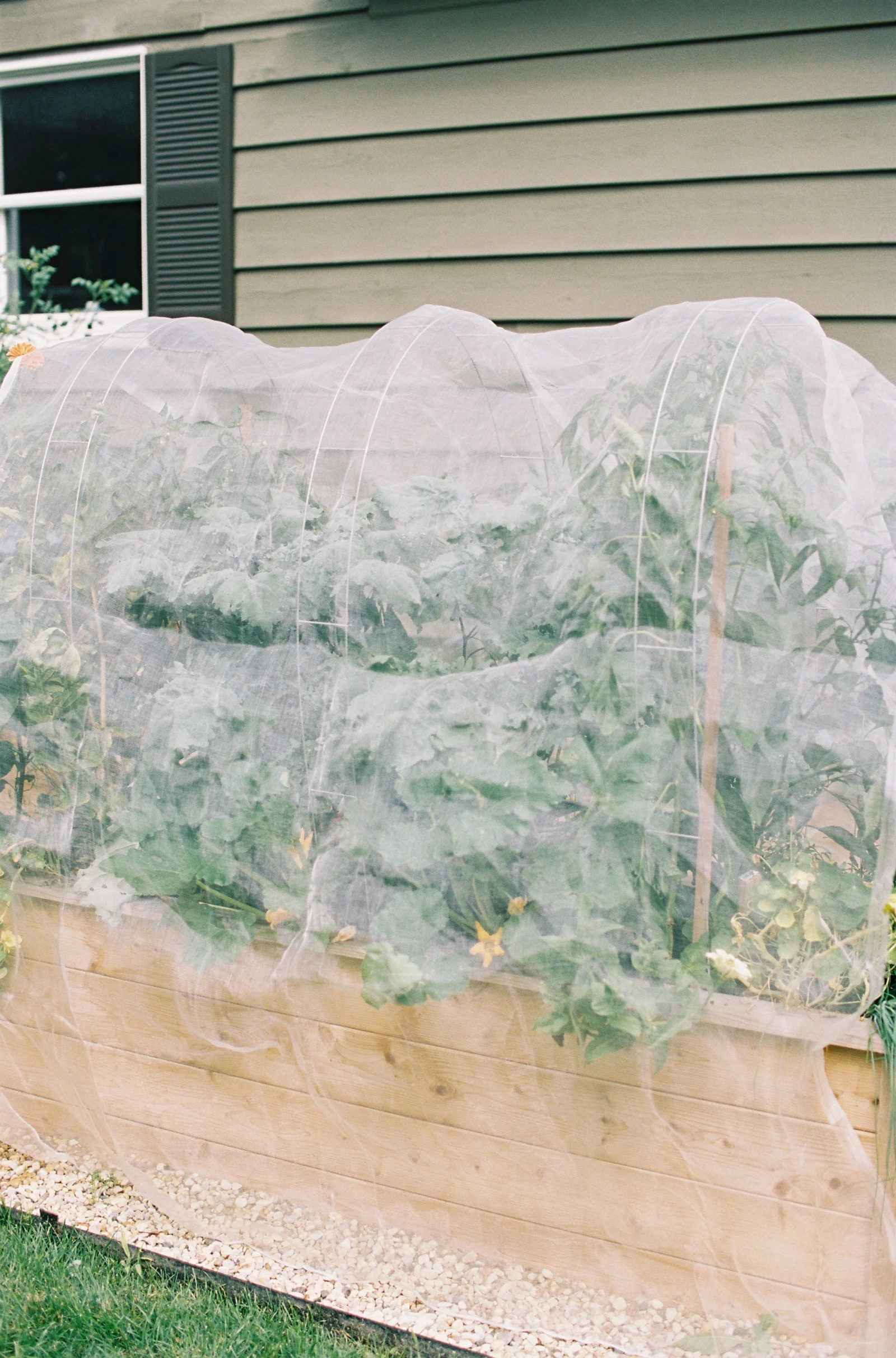
- Mesh bags tied around individual fruit clusters (the kind you'd store jewelry in).
- Fine garden mesh draped over plants, which I explain in detail in why garden mesh became my favorite organic pest control tool.
- A full cage or fence, only if the smaller options don't hold up.

What Keeps the Tomato Thieves Coming Back
- Letting the water go dry. The hottest, driest weeks are when your water source matters most. Don't let it run empty in August.
- Leaving stale water. Algae-filled, warm water won't attract much of anything except mosquitoes.
- Leaving bitten fruit lying around. Pick up fallen or damaged tomatoes so animals don't learn your garden is a buffet.
- Reaching for chemical sprays first. Spraying doesn't solve thirst, and it can harm the birds and beneficial insects your garden needs.
- Expecting a perfect fix. You'll still lose a tomato now and then. The goal is fewer losses, not zero wildlife.
GENTLE. EFFECTIVE. STRATEGIC.
The Complete Pest Control Course
Learn Nicole Burke's method.
- 28 Video Lessons: Organic Pest Control
- 8 Video Lessons: Pest-Proof Garden
- Pest Guide Ebook
- Deer Guide
- Burrowing Pests Guide
- Rabbit Guide
- Climbing Pests Guide
- Domestic Pests Guide
- Bonus #1 — Organic Pest Control Planting Plans
- Bonus #2 — Growing Guide
- Bonus #3 — Organic Pest Spray Recipes
Want the Whole Organic Pest Playbook?
Squirrels and birds are just one piece of the pest puzzle. If you're tired of guessing every time something new shows up in your garden, my Organic Pest Control Course walks you through exactly what I do: how to figure out what each pest wants, how to deter it naturally, and how to build a garden that mostly protects itself. No panic and no harsh sprays.
You can also browse my organic ways to treat pests in a vegetable garden and 10 ways to naturally protect tomatoes from pests for even more ideas.
Give them a drink, and they'll leave more tomatoes for you. That's a trade I'll take every summer.
Watch on YouTube Below
Become a Gardenary VIP!
FREE PERKS, just for email subscribers:
- Coupons & discount codes
- Gardening tips
- Videos
- Insider news
↓ ENTER YOUR EMAIL BELOW! ↓
Join The List!
Thousands of gardeners are already receiving perks on the VIP list!
Keep Reading
Keep Squirrels and Birds Out of Your Tomatoes (Give Them This Instead!)
Garlic Harvesting: Your Quick Guide to Determining the Perfect Time
Fall Vegetables That Taste Better After a Frost (And the Science Behind It)
Why Arugula Is the Easiest Fall Crop to Grow (And How to Keep It Producing)

How Lauren Almquist Turned Her Herbalism Practice Into a Real Business With Garden Coach Academy