Join Thousands of Gardeners On the VIP List
Free perks, just for email subscribers:
- 15% Off Your First Order
- Gardening Videos & Articles
- Early Access to Sales
Sign up, check your inbox, then shop with your code.

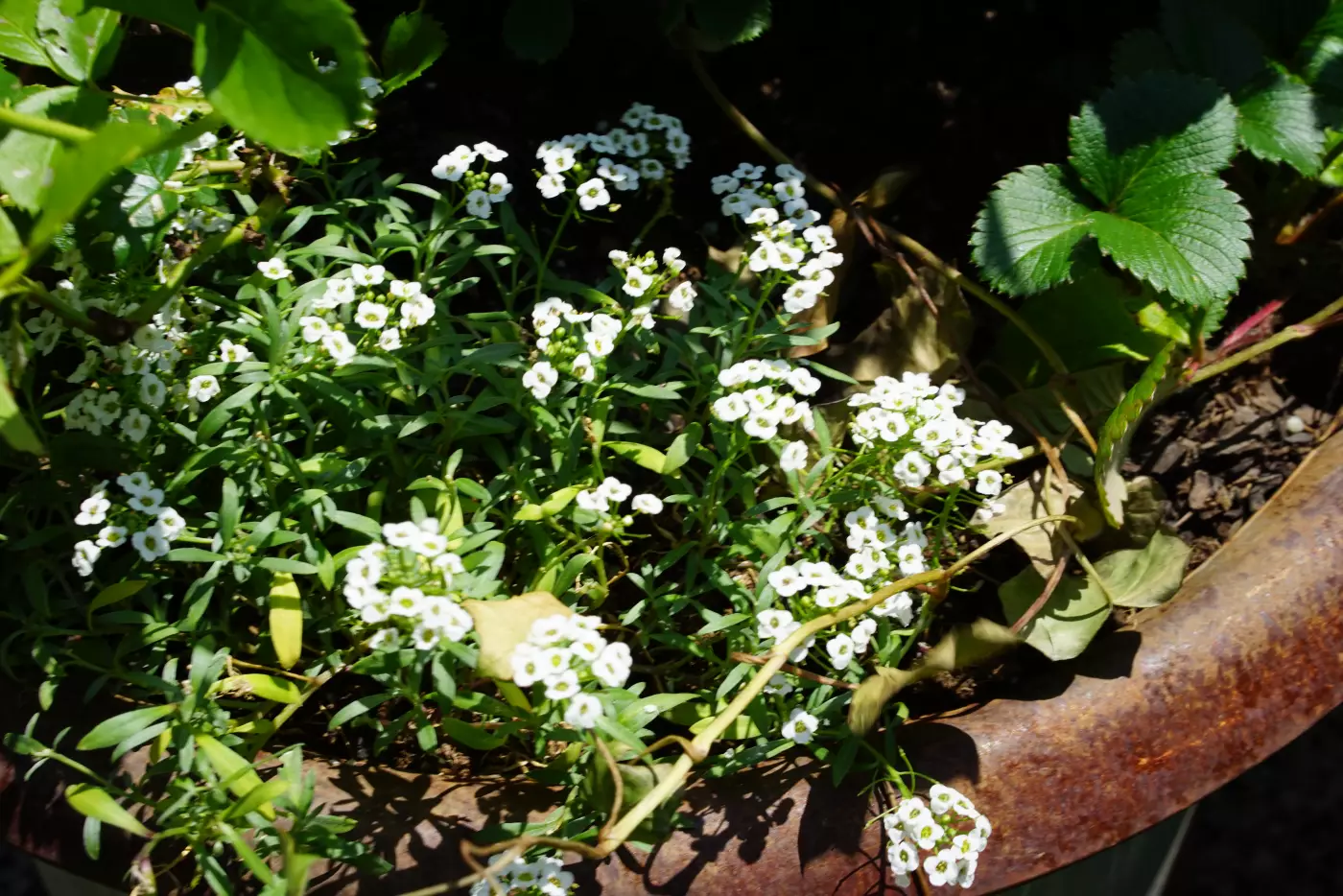
Quick Facts: Sweet alyssum is a low-growing annual flower that produces clusters of tiny white, pink, or purple blooms from late spring through fall. In a raised bed garden, it's most valued as a companion plant that attracts beneficial insects, suppresses weeds through dense ground cover, and reseeds freely to fill empty space through the heat of summer.
At a Glance
- Sweet alyssum reseeds readily through summer, filling empty raised bed space without replanting.
- It attracts parasitic wasps and hoverflies that prey on aphids, whiteflies, and other common vegetable garden pests.
- Plant in gaps between taller crops or along bed edges — it stays low and won't compete for light.
By Nicole Johnsey Burke: Founder of Gardenary and Author of Kitchen Garden Revival
Fill Bare Garden Space with Sweet Alyssum
I used to think of sweet alyssum as a border flower. Something you plant at the edge of a pot and then sort of forget about. Then I started tucking it into my raised beds in early summer, and I stopped thinking of it as decoration at all. It became one of my most reliable gap fillers and pollinator magnets. Turns out this little flower earns its space in a vegetable garden after all.

Why Sweet Alyssum Belongs in a Raised Bed (Not Just a Flower Pot)
We have a motto at Gardenary: "No bare soil."
If you've ever stood in front of a raised bed, staring at the gaps of blank space and thought, "I have no idea what to put here" — sweet alyssum might be your answer.
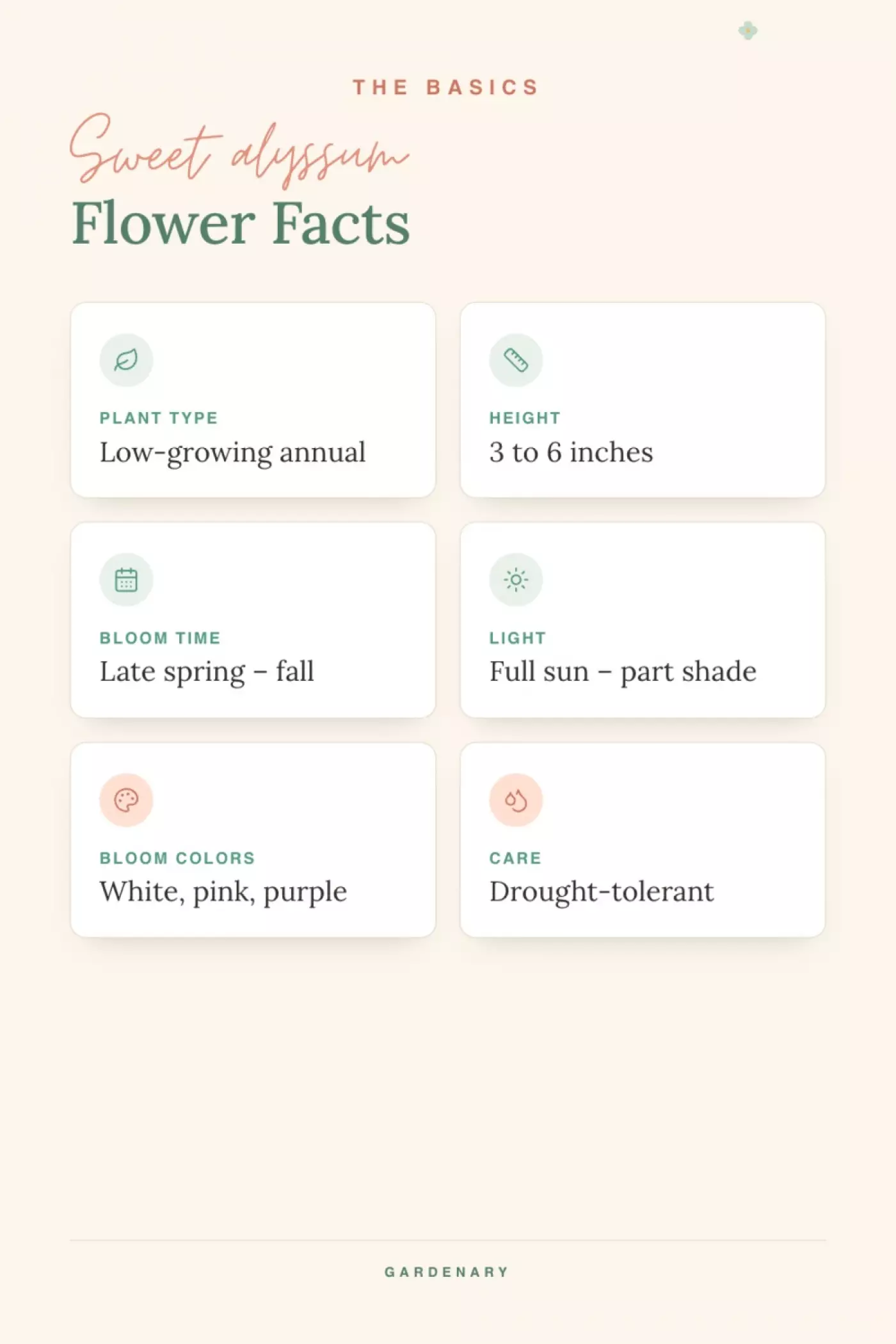
Sweet alyssum can help fill bare spaces and smooth out transitions between plants. It grows quickly from seed, stays low (usually 3 to 6 inches tall), and spreads into a soft, fragrant carpet that covers bare soil and crowds out weeds before they get started.
But here's what makes it genuinely useful rather than just pretty: sweet alyssum is a magnet for the beneficial insects your vegetable garden depends on. The tiny flowers are perfectly sized for parasitic wasps and hoverflies — two groups of insects that hunt and eat aphids, whiteflies, and caterpillar eggs. When I started planting alyssum consistently near my tomatoes and brassicas, my pest pressure went down noticeably. That's not a coincidence.
Here's what sweet alyssum brings to a raised bed:
- Fills empty soil fast so weeds can't move in
- Stays low (3–6 inches) and won't shade neighboring crops
- Attracts beneficial bugs like parasitic wasps and hoverflies that prey on aphids and whiteflies
- Softens the look of a bed between plantings
- Reseeds on its own through summer — less work for you
- Fragrant, pleasant scent, but subtle enough not to overpower

The Reseeding Secret That Makes It a Summer Staple
This is what I love most about sweet alyssum: it handles itself.
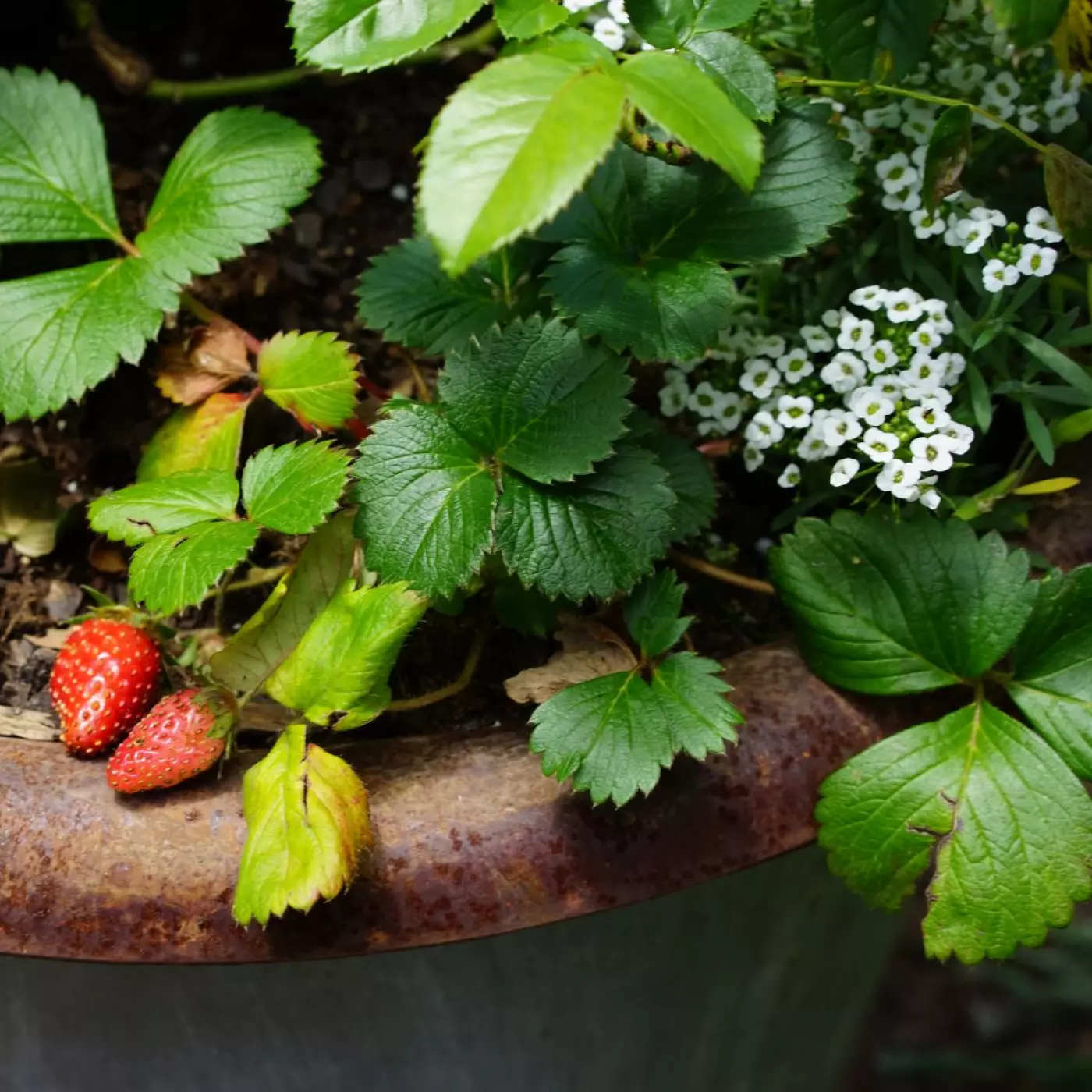
Plant it once in late spring or early summer, and it will drop seeds through the season. Those seeds germinate and fill in around your vegetables without you doing anything. By midsummer, you often have a second or even third flush of blooms appearing in gaps you didn't even plan to fill.
A word of reassurance here — sweet alyssum is not aggressive like mint. It reseeds gently and stays where it's welcome. If a seedling pops up somewhere inconvenient, it pulls easily. But in a raised bed where you want ground-level coverage and continuous bloom, that reseeding habit is genuinely one of its best features.
Sweet Alyssum's Best Companion Vegetables
Sweet alyssum isn't picky — it plays well with most things in a kitchen garden. That said, it does its best work near crops that tend to attract the pests its beneficial insects love to eat.
Sweet alyssum pairs especially well with:
- Tomatoes — draws in beneficial insects that target aphids and whiteflies
- Broccoli and cabbage — helps attract predators of cabbage worms and aphids
- Kale — same brassica benefits; alyssum fills the space around slow-growing plants
- Peppers — low enough not to compete, close enough to do pest-deterrent work
- Eggplant — a natural neighbor for any nightshade dealing with flea beetles
Where to Plant Sweet Alyssum in a Raised Bed
Sweet alyssum works best in a few specific spots:
- Along the edges of your bed — where it softens the border and won't shade taller crops
- In gaps between transplants — tucked between tomato cages, pepper plants, or eggplant while they're still filling in
- Near brassicas — its beneficial insect attraction makes it a strong partner for broccoli, cabbage, and kale, which tend to attract aphids and cabbage worms
- Under trellis structures — the low growth habit means it won't compete with climbing crops for light
One thing to know: sweet alyssum does slow down in extreme heat, sometimes going semi-dormant in July and August before rebounding in fall. If yours looks sparse in midsummer, give it a gentle trim and a little water, and it will often bounce back.
How to Grow Sweet Alyssum From Seed
Sweet alyssum is one of the easiest flowers to direct-sow.
Sprinkle seeds on the surface of your soil — they need light to germinate, so don't bury them too deep. Press them gently into the soil and keep them moist until they sprout, which usually takes 5 to 10 days.
You can also start seeds indoors 4 to 6 weeks before your last frost date and transplant them out as the weather warms.
Sweet alyssum does best in full sun to part shade and is drought-tolerant once established, which means it won't demand much from you once it's going.
FAQ: Sweet Alyssum in the Vegetable Garden
What is sweet alyssum used for in companion planting?
Sweet alyssum attracts parasitic wasps and hoverflies — beneficial insects that feed on aphids, whiteflies, and other common vegetable garden pests. It also provides low ground cover that suppresses weeds and fills empty space between taller crops.
Does sweet alyssum reseed itself?
Yes. Sweet alyssum reseeds reliably through summer, producing new seedlings that fill gaps without replanting. It reseeds gently rather than aggressively — seedlings are easy to remove if they appear somewhere unwanted.
What vegetables grow well with sweet alyssum?
Sweet alyssum is particularly valuable near brassicas (broccoli, cabbage, kale) and nightshades (tomatoes, peppers, eggplant) — crops that tend to attract the pests alyssum's beneficial insects prey on. It works well in almost any raised bed as a low-growing filler.
Does sweet alyssum come back every year?
Sweet alyssum is an annual, but it reseeds so freely that it often appears to come back year after year. In mild climates it may overwinter. In most zones, plan to let it reseed or direct-sow fresh seeds each spring.
What does sweet alyssum smell like?
Sweet alyssum has a light, honey-like fragrance — subtle rather than overpowering. It's pleasant near a sitting area or kitchen garden where you'll spend time.
Learn How to Plan and Build Beautiful Raised Beds
Follow a simple process to build a raised bed that makes construction straightforward — even if you’re not “handy.”
Keep Reading
How to Grow a Lifetime Supply of Garlic: How Much to Plant and Save Each Year
Garden Coaching as a Second Career: How Kate Corrigon Built a Successful Business After Retirement
When Should I Cover My Plants? The Temperatures and Timing I Use in My Own Garden
The Galvanized Garden Trug: A Tool Caddy Too Pretty to Hide
Thanksgiving Herbs: What to Grow for Turkey, Stuffing, and Sides