
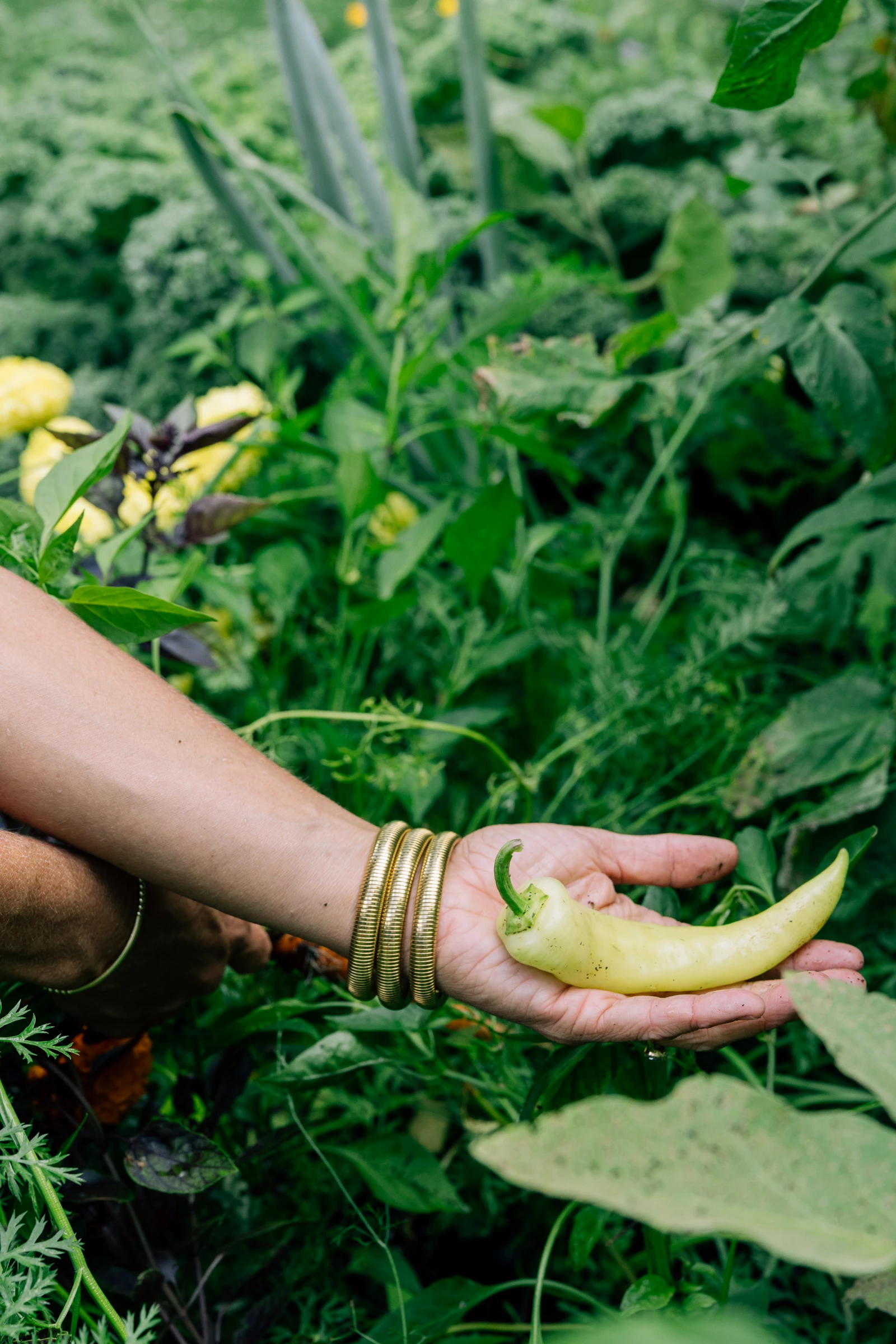
Nicole's Quick Take: Banana peppers are ready to pick as soon as they're firm and full-sized, usually a pale yellow-green, but if you leave them on the plant, they will turn orange and then red; both sweet and hot varieties get noticeably more flavorful. There's no wrong answer here, just a different pepper flavor depending on when you cut it.
At a Glance
- Most banana pepper varieties are ready to harvest 65 to 75 days after transplanting, once the fruit is 4 to 6 inches long and feels firm all the way through.
- Banana peppers move through a color progression as they mature, from pale yellow-green to orange to red, and the flavor shifts at every stage.
- Peppers stop ripening the second you cut them from the plant, so the color you harvest at is the color and flavor you're stuck with.
By Nicole Johnsey Burke: Founder of Gardenary & Author of Kitchen Garden Revival
I Used to Pick Every Single Banana Pepper Too Early
For years, I picked my banana peppers the moment they looked "big enough." I didn't know any better; I just figured a pepper was a pepper.
Then, one August in my Nashville garden, I got busy and forgot about a few plants for almost two weeks. The peppers I found were deep orange, almost red, and they tasted completely different from the pale yellow ones I'd been harvesting all summer. Sweeter. Rounder. Genuinely better.
For peppers, you need to consider timing instead of just size.

When Banana Peppers Are Ready to Pick
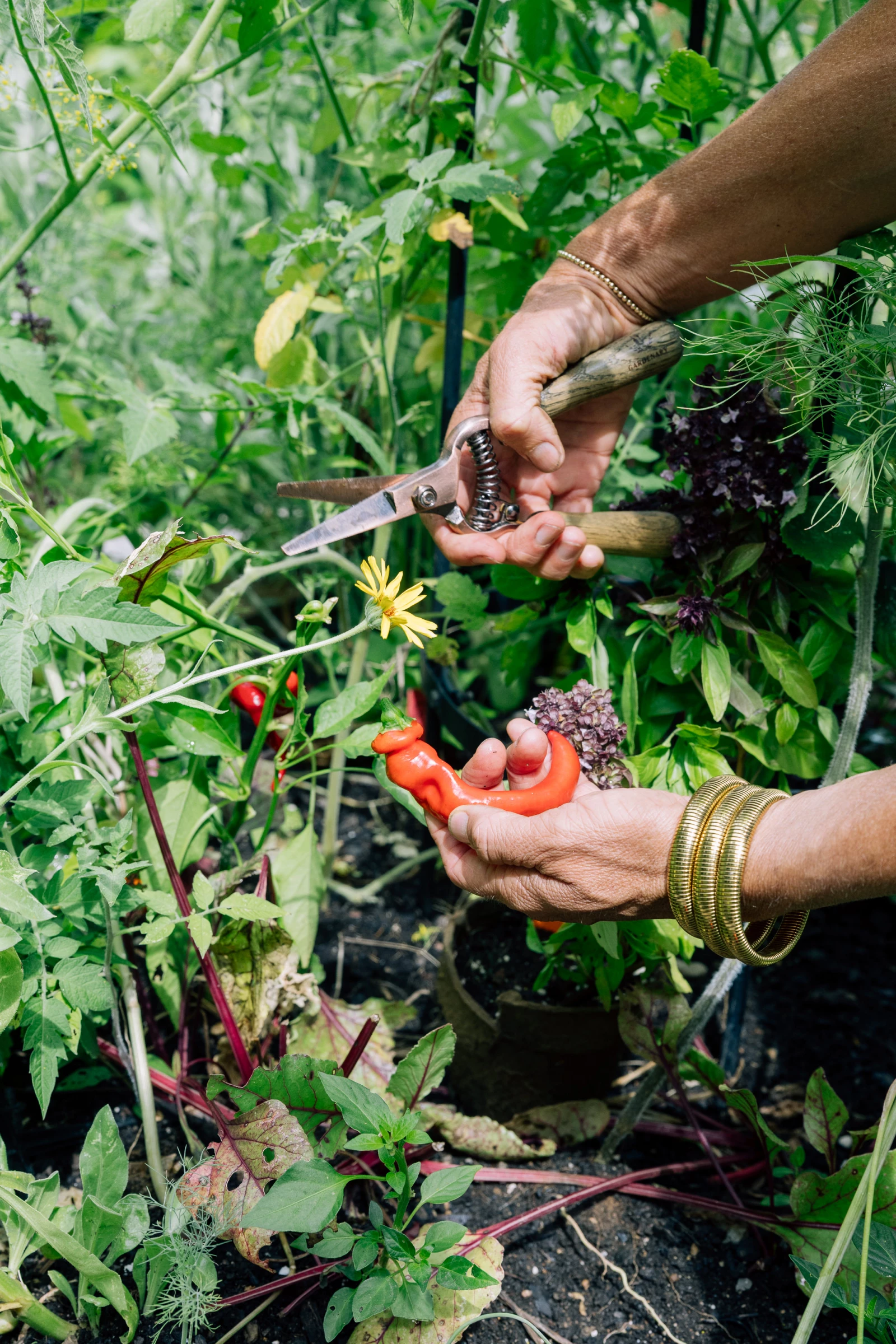
A banana pepper is ready to harvest as soon as it reaches full size for its variety, typically 4 to 6 inches long, and feels firm and glossy rather than soft or wrinkled. This usually happens 65 to 75 days after you transplant, though warm, sunny weather speeds things along and a cloudy stretch can slow it down.
"Ready" and "best" aren't always the same moment.
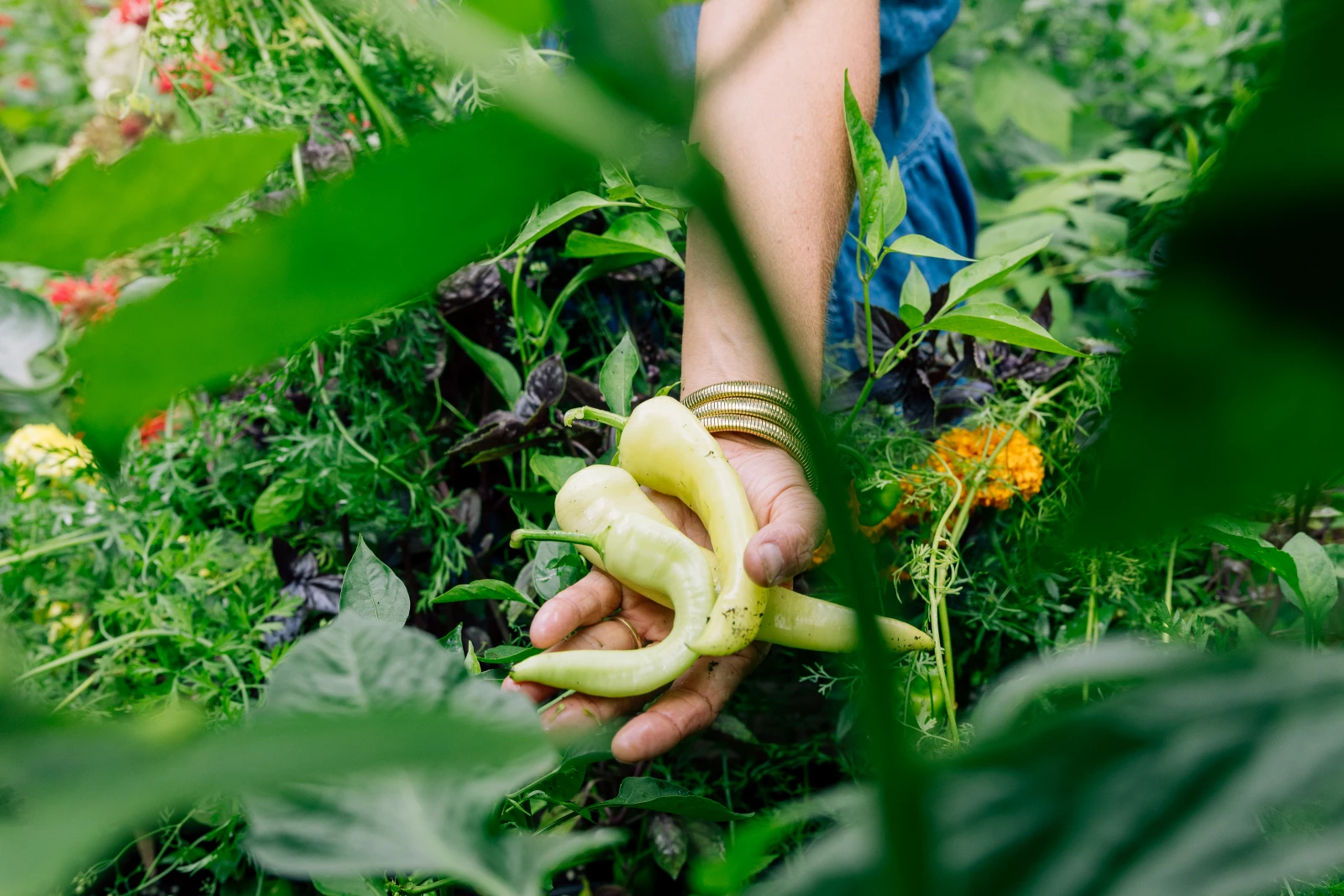
You can pick a banana pepper the day it hits full size, while it's still pale yellow-green, and it'll be perfectly good. But if you let it keep going, it'll pass through orange on its way to a deep red, and the flavor keeps changing the entire time.
How to Tell a Banana Pepper Is Actually Ready
Size alone will trick you.
Here's what I actually check before I reach for my pruners:
- Firmness. The pepper should feel solid the whole way down, with no soft or squishy spots.
- Glossy skin. A ready pepper looks smooth and slightly shiny, not dull or wrinkled.
- Easy release. A ripe pepper comes away from the stem with gentle pressure. If you're tugging hard, give it another day or two.
- Color that matches your goal. Pale yellow-green if you want a tangier, crisper bite. Orange or red if you're after something sweeter and more mellow.

Why Banana Peppers Change From Yellow to Orange to Red
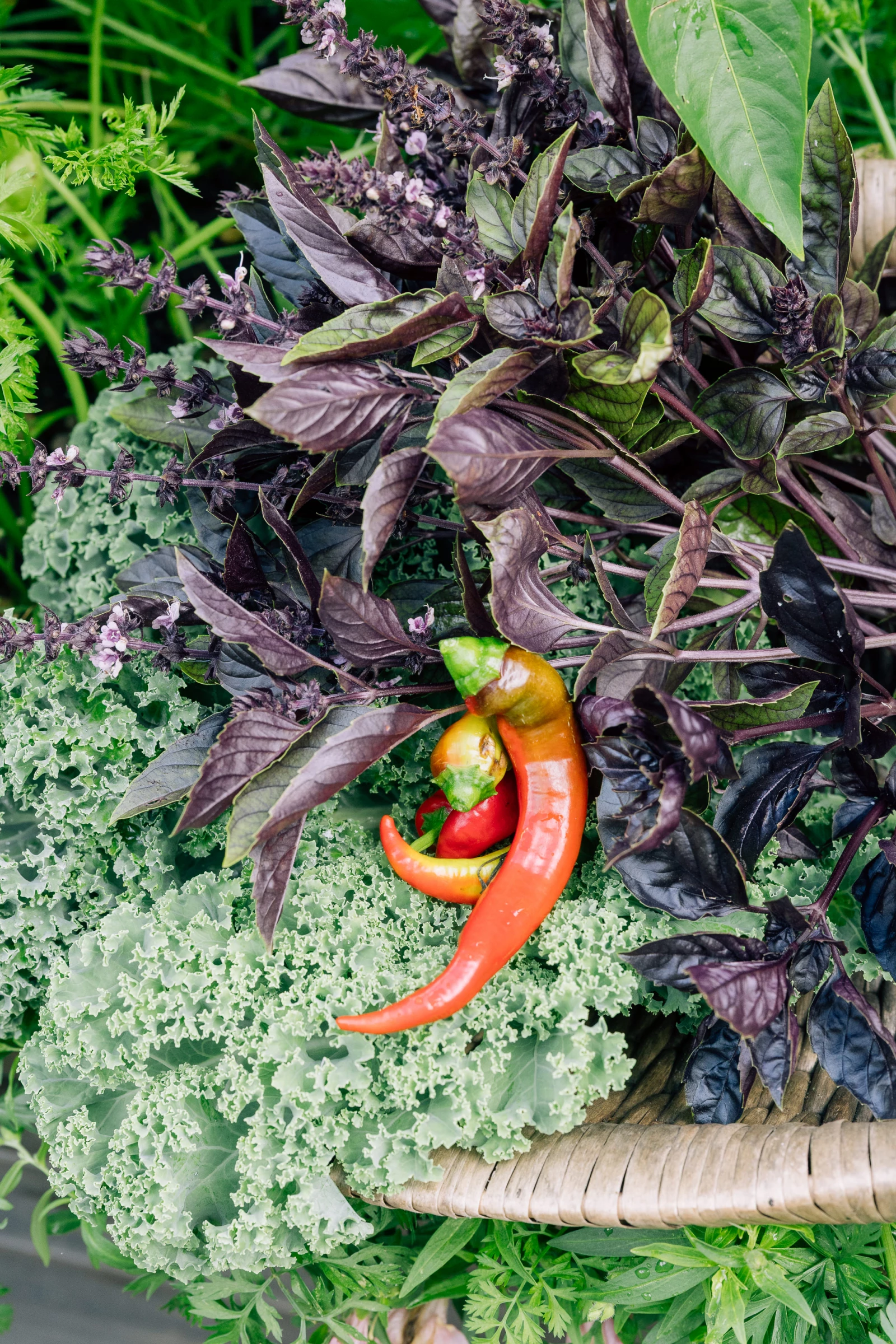
Every banana pepper starts out green, lightens to that signature pale yellow, and then, if you leave it alone, moves through orange and finishes at red.
According to Utah State University Extension, peppers generally need 35 to 45 days from flowering to reach full color, depending on the variety and the weather. Warm, sunny conditions push that timeline along faster than a cool or cloudy stretch will.
Here's the part that surprises a lot of gardeners: peppers don't ripen any further once you've cut them from the plant. University of Maryland Extension notes that peppers left to mature on the vine get sweeter and increase in vitamin A and C content, but that development stops completely at harvest. Whatever color and flavor a pepper has the moment you pick it is the color and flavor you're going to get. There's no ripening on the counter the way there is with a tomato or an avocado.

Does Waiting Longer Really Change the Flavor? Yes, Here's How
Sweet Banana Peppers Get Sweeter the Longer They Wait
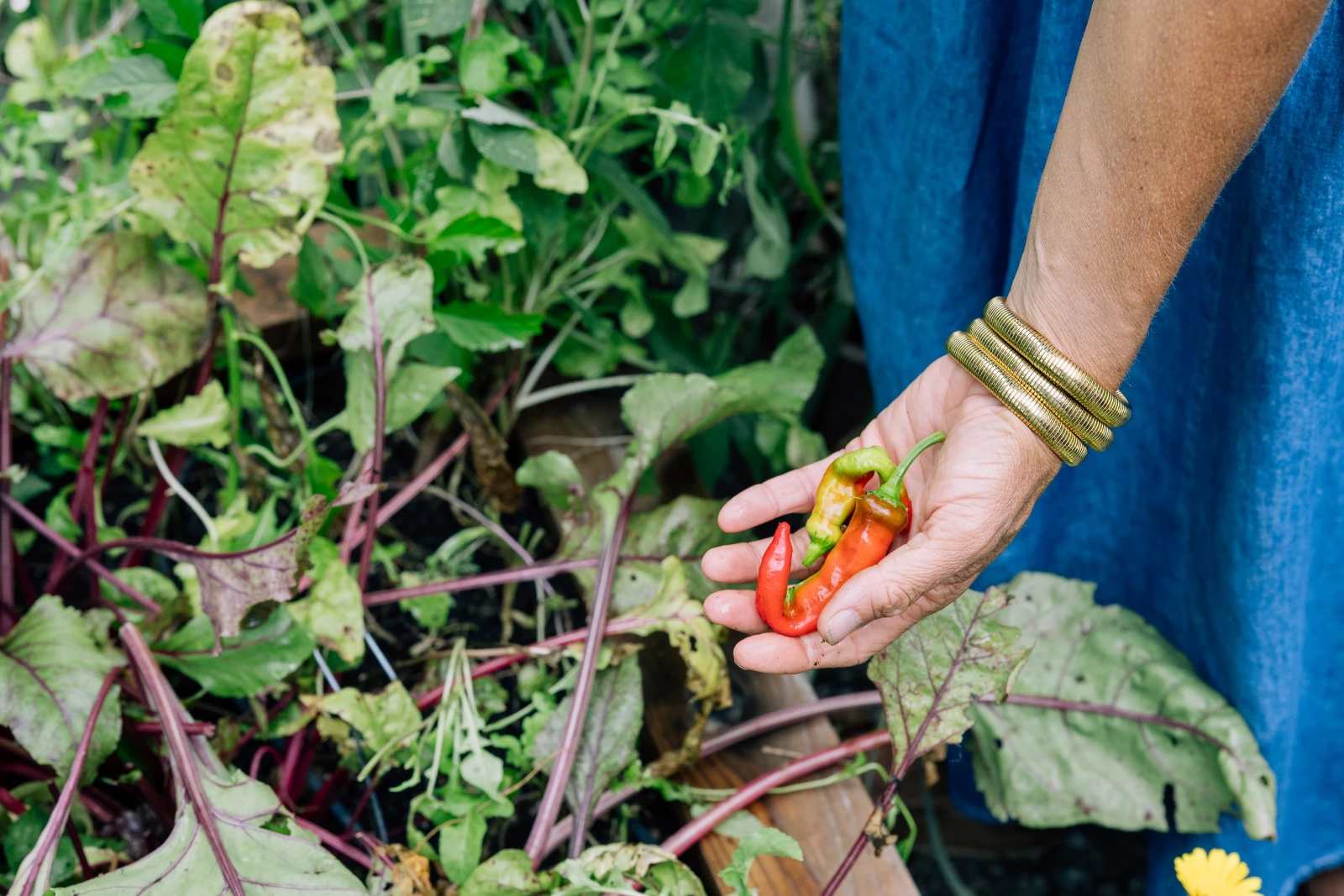
If you're growing a sweet variety, patience pays off in a real way. A pale yellow banana pepper has a bright, slightly tangy flavor that's fantastic raw in a salad or on a sandwich. Let that same pepper ride through orange into red, and it mellows into something rounder and noticeably sweeter, closer to what you'd expect from a sweet bell pepper. I'll be honest, I used to think I just didn't love banana peppers. Turns out I'd only ever eaten the yellow ones.
Hot Banana Peppers Get Bolder, Too
For the hot banana pepper varieties, the same color progression tends to bring a little more punch along with the sweetness. If you like a milder bite with a hint of tang, pick early and pale. If you want the fuller flavor with more warmth behind it, let a few go all the way to red before you harvest.

How to Harvest Banana Peppers Without Hurting the Plant
Pulling or twisting peppers off by hand is one of the most common ways gardeners accidentally damage their plants, especially banana pepper plants, which tend to grow bushy with fairly brittle branches. A clean cut is always the better move.
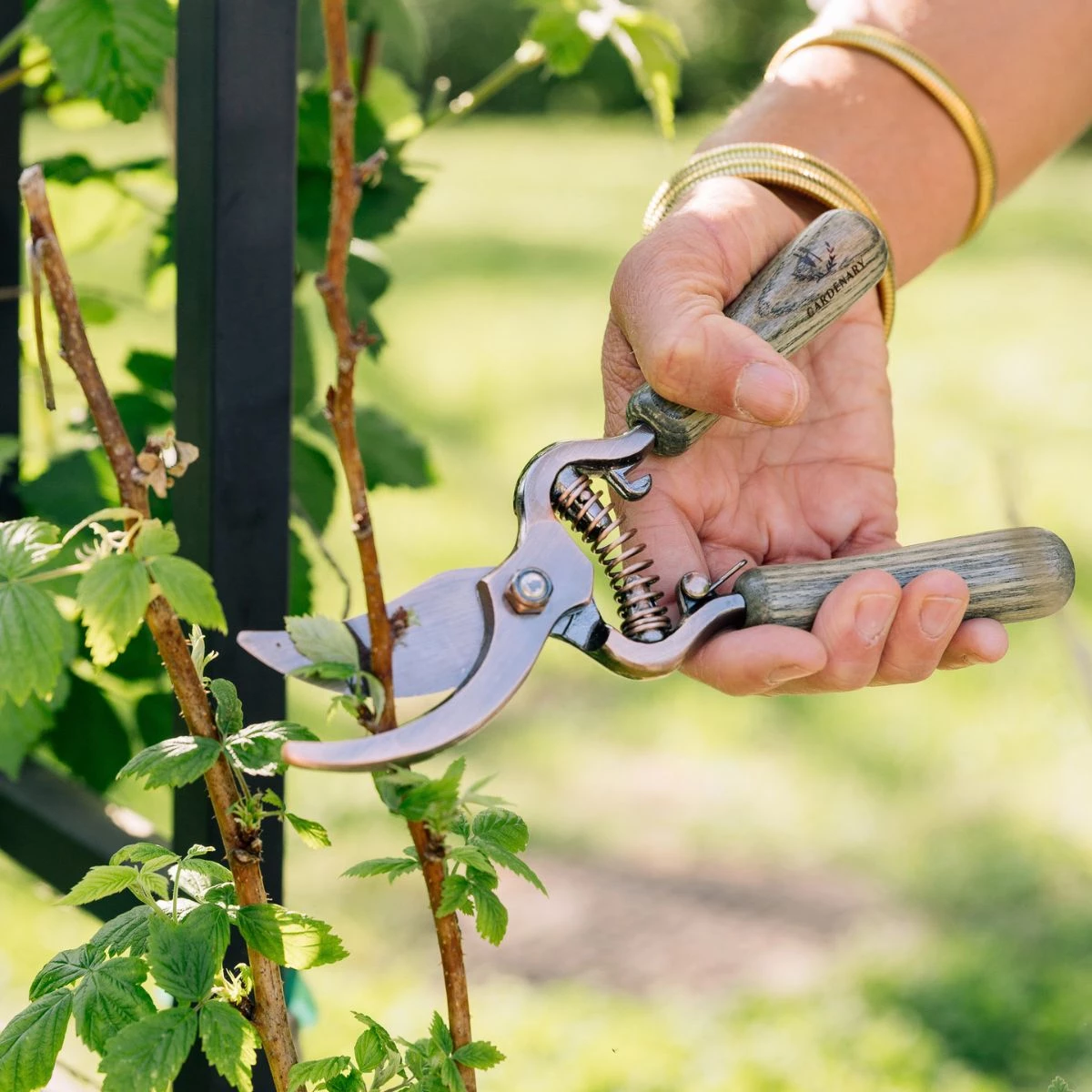
I keep a small pair of pruners in my garden tool kit specifically for this. Snipping the stem just above the pepper takes two seconds, protects the branch from tearing, and honestly just feels satisfying. If you're harvesting a lot of peppers at once, having the right hand tools on you (not buried in a shed somewhere) makes the whole job faster.
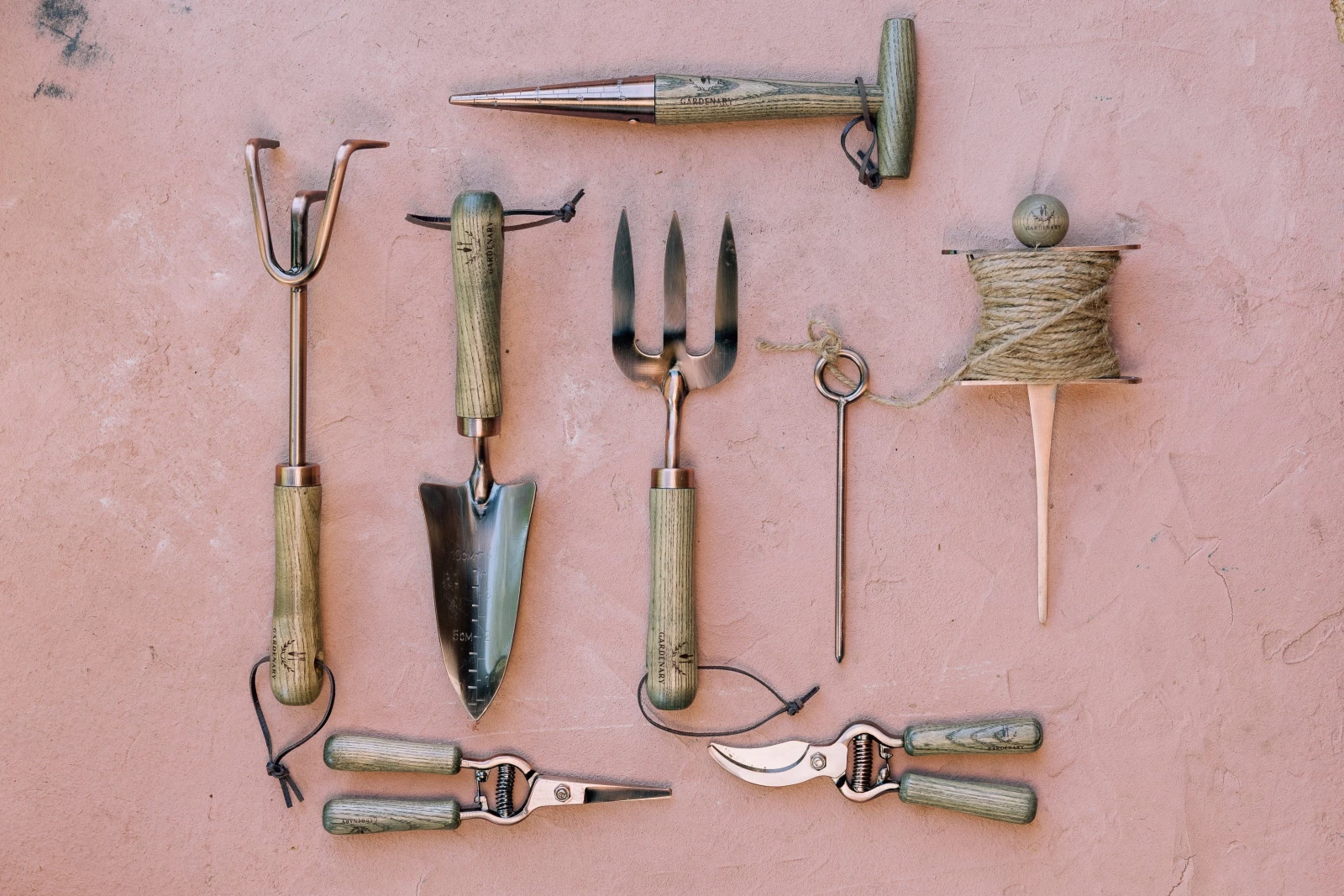
7 Tools, Beautifully Designed
The tool set gardeners actually want, made from carbon steel with an ash wood handle and a warm copper finish.
- Bypass pruner for clean, precise harvest cuts
- Needlenose pruner for detail work in tight spaces
- Transplanting shovel for seedlings and planting holes
- Dibber for perfectly spaced seed sowing
- Cultivator for loosening soil and clearing debris
- Hand fork for weeding and working around established plants
- Row marker & planting line for straight, intentional rows
All in a gift box, ready to use.
What Happens If You Pick Too Early or Let Them Go Too Long
Pick too early, before the pepper reaches full size, and you'll end up with a thinner-walled pepper that's more bitter than tangy. It won't ruin your dinner, but it won't be the best version of itself either.
Let peppers sit too long past red, especially in late summer heat, and the walls can start to soften or the fruit can split. An overripe pepper is still usable, but I'd prioritize picking those first before they go downhill.
Common Mistakes to Avoid With Banana Peppers
- Judging readiness by size alone. A pepper can be full length and still be a week away from its best flavor. Check firmness and skin, not just how long it looks.
- Letting the whole plant ripen to red at once. Pick in stages instead. You'll get a mix of flavors across the season and keep the plant producing longer.
- Waiting too long to harvest overall. The more consistently you pick, the more energy the plant puts into making new peppers instead of holding onto old ones. This is the single easiest way to boost your total harvest.
- Storing peppers with damaged stems. A torn stem (from pulling instead of cutting) shortens how long a pepper keeps in the fridge.
Free 2026 Garden Calendar
All you have to do is give us your first and last frost dates, and we'll figure out your best planting dates for you!

Keep Them Coming: Why Regular Picking Means More Peppers
This is one of my favorite things about peppers in general: they reward attention. A banana pepper plant that gets picked regularly will keep flowering and setting new fruit well into fall in most climates, while a plant left to ripen everything at once tends to slow down. If you're growing in a Gardenary cedar raised bed, you've already given your plants great drainage and warm soil, which means they can put that saved energy straight into more peppers instead of fighting root stress. It's one of those small setup decisions early on that pays off all season long.
Frequently Asked Questions
What color should banana peppers be when I pick them?
Banana peppers can be picked at any stage from pale yellow-green through orange to red. Yellow gives you a tangier, crisper flavor, while red is sweeter and more mellow. Neither is wrong; it depends on what you're using them for.
How long does it take banana peppers to turn red?
Once a banana pepper reaches full size and its pale yellow stage, it typically takes another couple of weeks to move through orange and finish at red, though this depends heavily on sun and temperature.
Do banana peppers get hotter as they ripen?
For hot banana pepper varieties, the flavor tends to become bolder and more pronounced as the pepper ripens toward red, alongside the increase in sweetness. Sweet varieties stay mild throughout.
Can I ripen banana peppers after picking them, like tomatoes?
No. Peppers stop ripening completely once they're removed from the plant, so the color and flavor at harvest time is permanent. Pick at the stage you actually want to eat.
Why are my banana peppers still small after 70 days?
Cool or cloudy weather slows pepper development significantly, since fruit color and size develop fastest in warm, sunny conditions. Check that your plants are getting at least six hours of direct sun and consider a light organic feeding if growth still seems stalled.
Should I pick banana peppers before a frost?
Yes. Harvest every usable pepper before the first frost, regardless of color, since cold damage will ruin the fruit and the plant won't recover enough to keep producing afterward.
What's the best tool for harvesting banana peppers?
A small, sharp pair of pruners is really all you need. Cutting the stem cleanly instead of pulling protects the plant and helps the harvested pepper last longer in storage.
Where can I find quality gardening tools for harvesting peppers and other vegetables?
Gardenary's garden tool kit includes pruners and the other hand tools I reach for most during harvest season. It's designed to cover what you actually need without cluttering your shed with extras.
Keep Reading
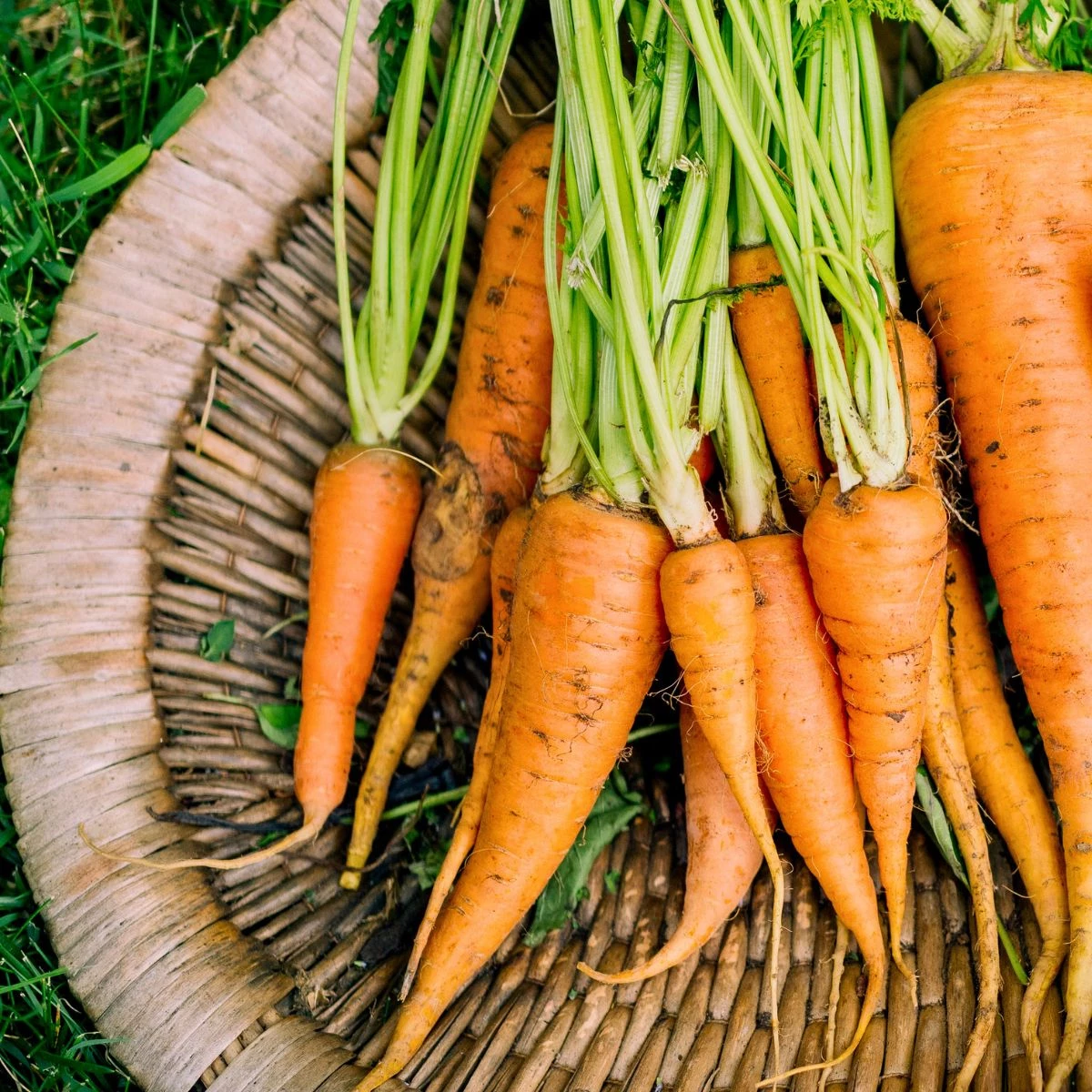
Fall Vegetables That Taste Better After a Frost (And the Science Behind It)
Why Arugula Is the Easiest Fall Crop to Grow (And How to Keep It Producing)

How Lauren Almquist Turned Her Herbalism Practice Into a Real Business With Garden Coach Academy
Where to Buy Beautiful Garden Tools for Women
The Complete Guide to Growing & Harvesting Organic Peas
Why You Want More Bugs in Your Garden, Not Less
Sources
- Peppers in the Garden — Utah State University Extension
- Peppers — University of Maryland Extension
- Growing Peppers — University of Minnesota Extension