
At a Glance
- Soil temperature is a more reliable planting indicator than calendar date or air temperature — seeds germinate based on soil warmth, not what month it is.
- Cool-season crops like spinach, lettuce, and peas can germinate in soil as cold as 35 to 40°F, while warm-season crops like tomatoes and melons need soil at 70°F or warmer.
- A basic soil thermometer inserted 2 to 3 inches deep is the single most useful tool for knowing exactly when your garden is ready to plant.
Plant Seeds Based on Soil Temperature
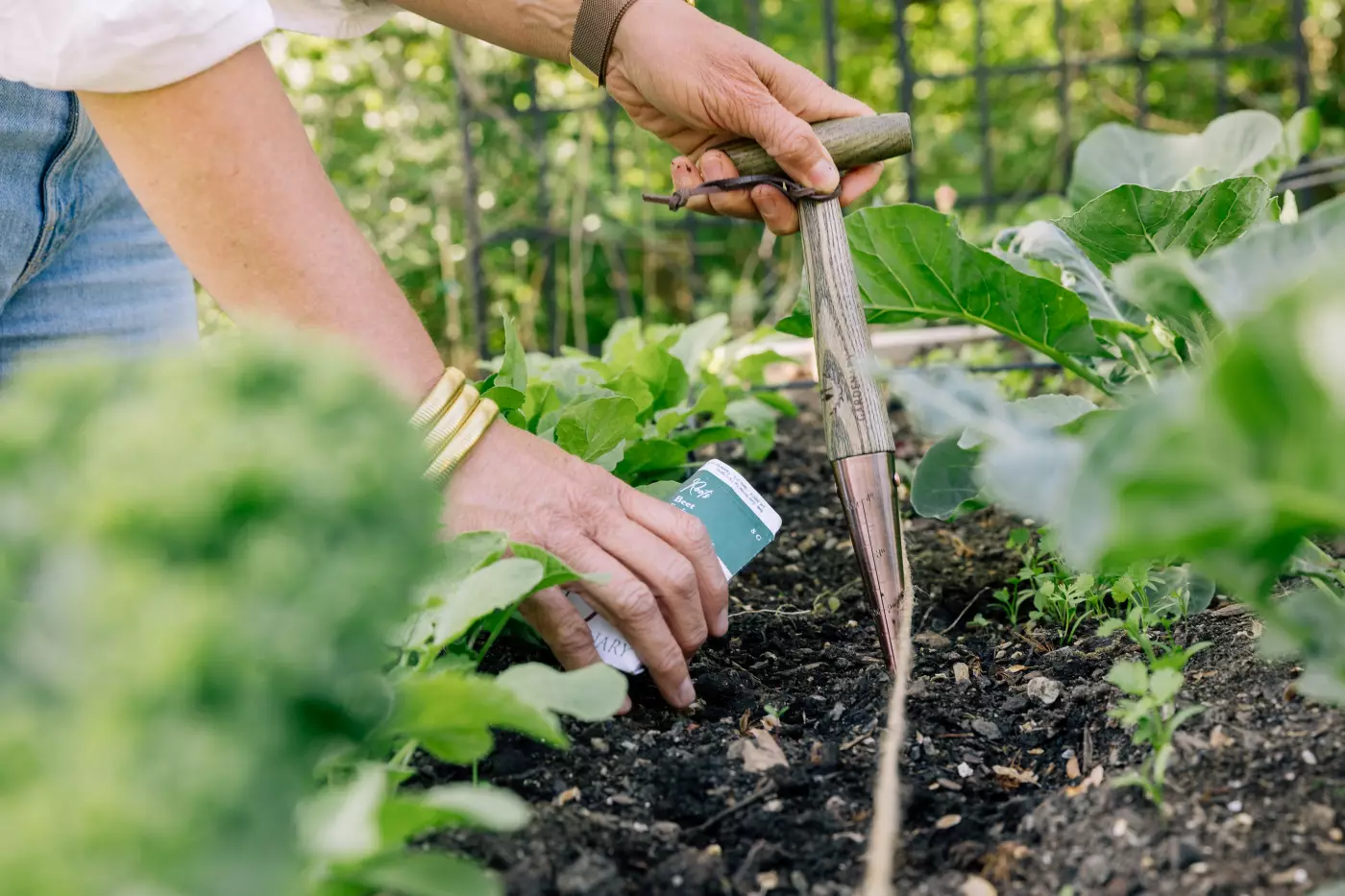
Every plant has a preferred soil temperature for germination. That specific range of warmth tells the seed it's safe to crack open and start growing. Get that temperature right, and seeds germinate quickly. Get it wrong, and seeds sit in the ground and might rot before they ever sprout.
Frost dates are a genuinely useful starting point, and we recommend using them as your planning anchor, but they tell you about air temperature, not soil temperature. Seeds respond to the warmth of the soil they're planted in.
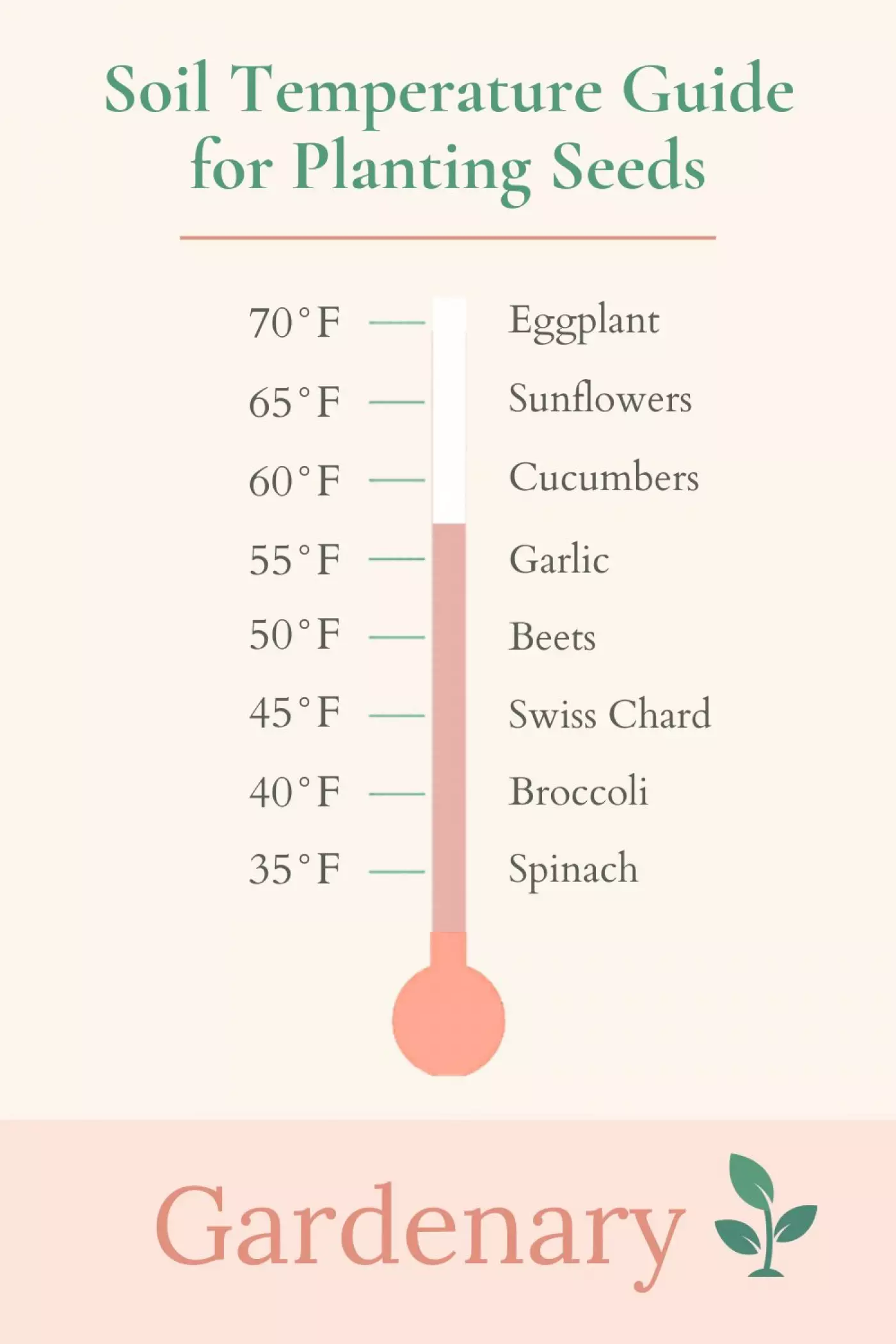
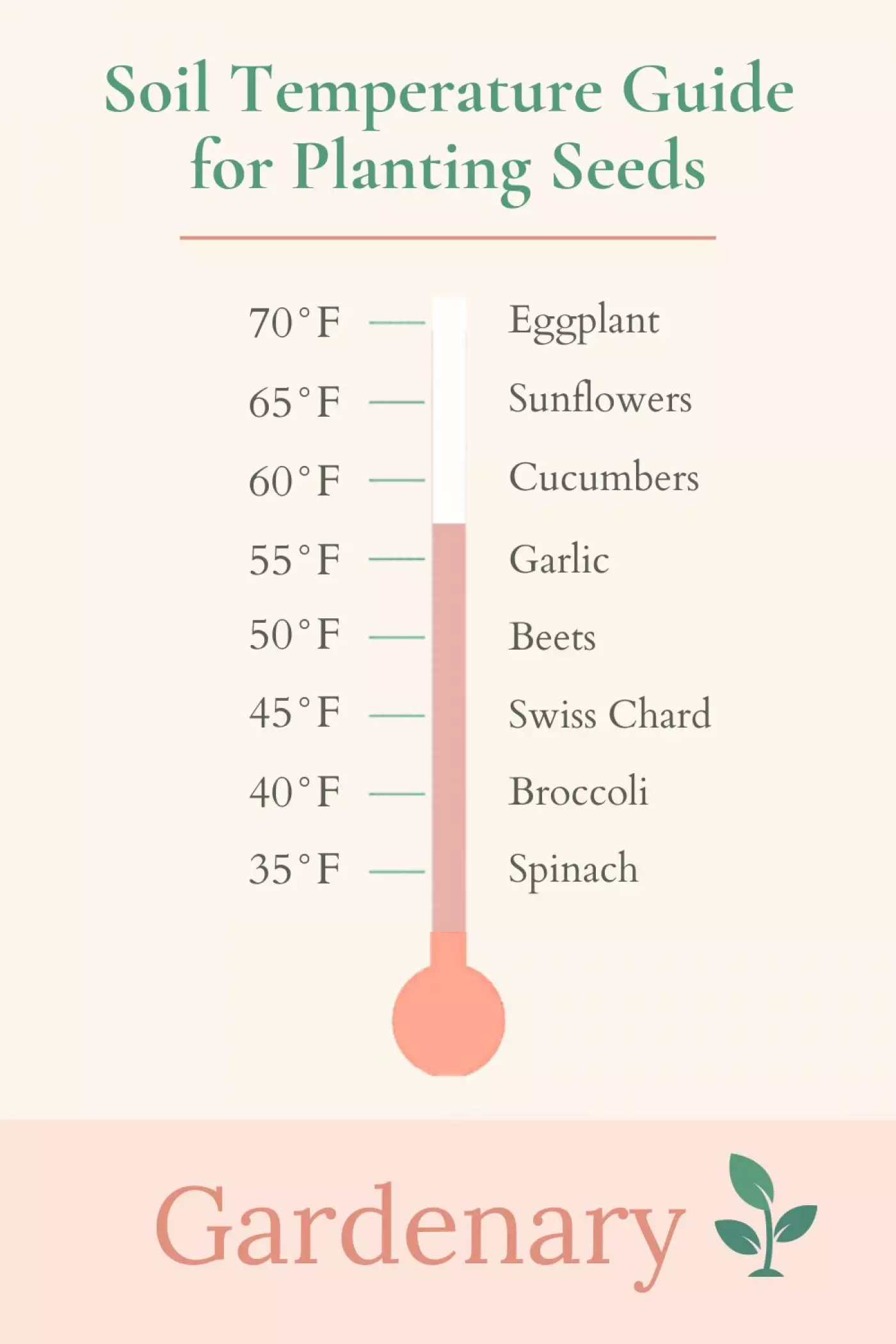
Here's the complete soil temperature guide so you'll always know what the soil is telling you.

Soil Temperature Quick Reference Chart
Seed Planting From Coldest to Warmest
35°F
40°F
- Broccoli
- Cabbage
- Cauliflower
- Kale
- Arugula
- Bok choy
- Brussels sprouts
- Kohlrabi
- Collard Greens
- Mustard greens
- Turnips
45°F
50°F
55°F
(transition zone — cool-season crops germinate more reliably here than at 50°F)
- Potatoes
- Garlic
- Fennel
- Sweet peas
60°F
65°F
(transition zone — warm-season crops shift from possible to reliable here)
70°F

How to Measure Soil Temperature the Right Way
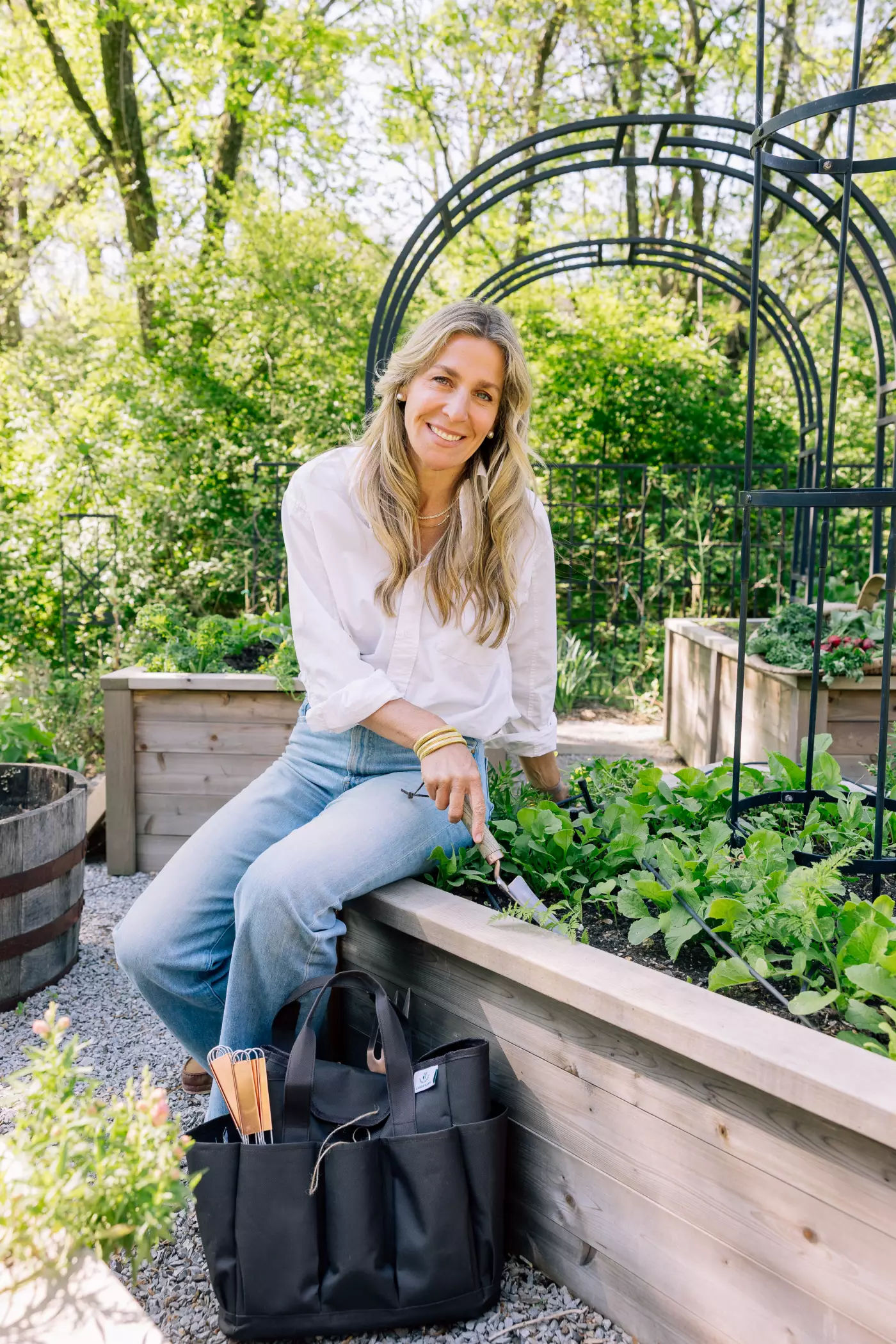
Before you start putting seeds in the ground, I'll briefly explain how to get an accurate temperature reading. A soil thermometer is a small and inexpensive tool that completely changes how confidently you plant. Here's how to use the soil thermometer correctly:
- Insert the soil thermometer 2 to 3 inches deep — this is where your seeds will actually sit. Surface soil warms faster than the root zone.
- Check at the same time each day — mid-morning is a good standard time after the soil has absorbed some warmth but before peak afternoon heat
- Check in the actual planting area — soil temperature varies across the garden. A bed against a south-facing wall will be warmer than an exposed bed in the open. Be sure to use the specific spot where the seeds will be planted.
- Take multiple readings — check for several days in a row before planting. One warm afternoon isn't enough. Consistent average temperature over several days is what you're looking for.
- Warm the soil if needed — temporarily lay black plastic or a row cover over the bed for several days before planting to raise soil temperature faster in early spring.
Join the 2026 Gardening Workshop
35°F — Cold Hardy Seeds
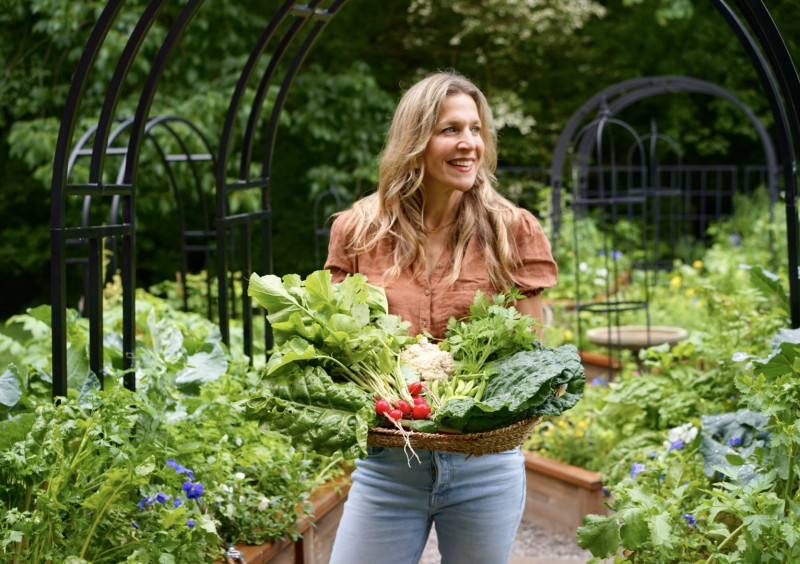
If your soil thermometer reads 35°F and you're itching to get something in the ground, these are your plants. They're genuinely cold-hardy and able to germinate in conditions that would stop almost everything else.
I've planted spinach when it was still getting down to the 30s at night in Nashville, and those seeds come up beautifully. These crops aren't just cold-tolerant; they prefer it.
What to Plant at 35°F
- Spinach — one of the first seeds you can direct sow in spring. Spinach actually tastes sweeter after a light frost, which is a lovely bonus for patience.
- Lettuce — germinates in surprisingly cold soil and grows happily in cool conditions.

40°F — Cool Season Workhorses
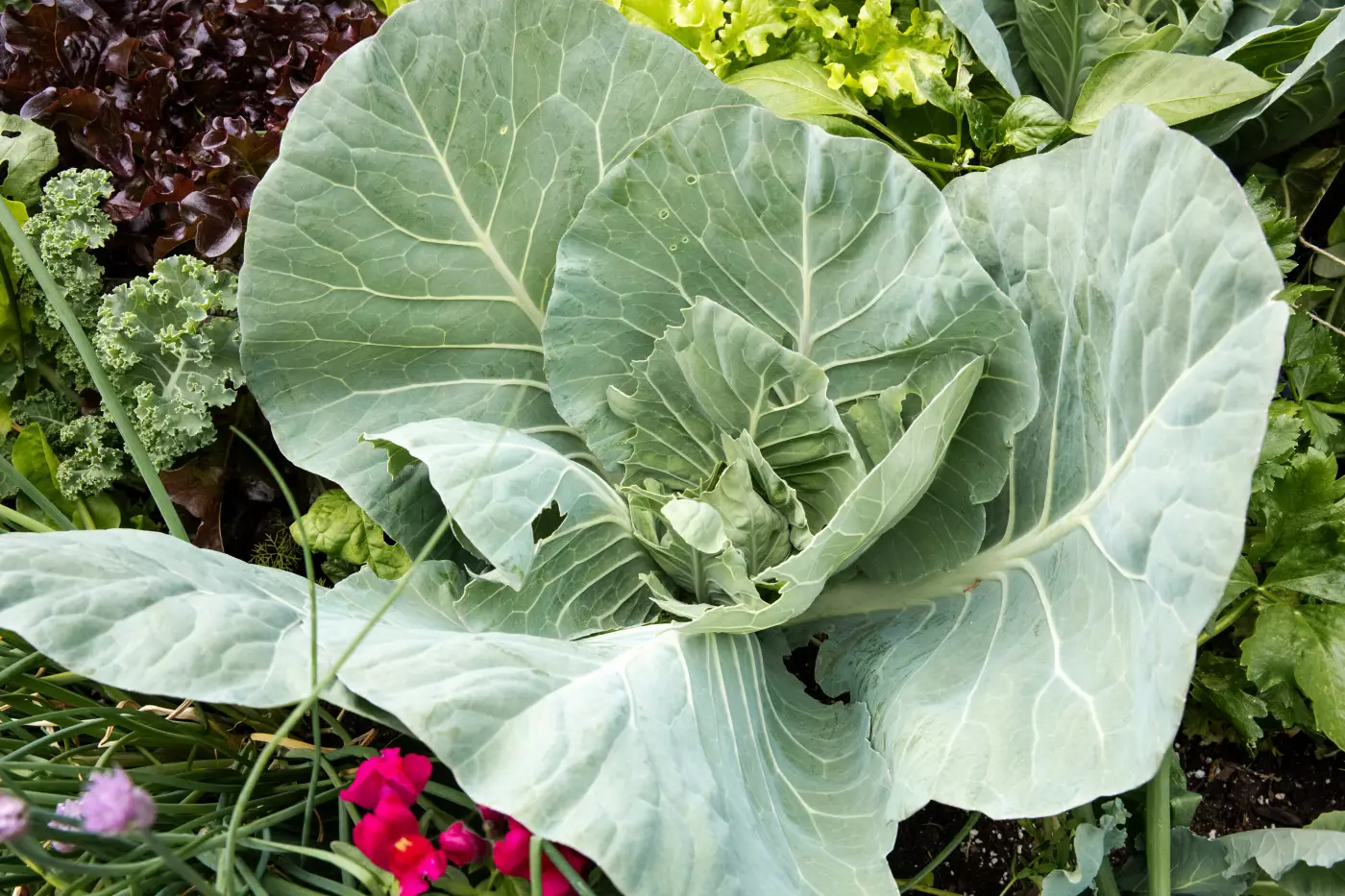
At 40°F your options expand significantly into some of the most productive cool-season crops in the kitchen garden.
These crops can handle a light frost after germination, which makes them ideal for getting into the ground in early spring before the last frost date has passed. The soil just needs to be workable and at least 40°F.
What to Plant at 40°F
- Broccoli - Interestingly, broccoli that matures in cool weather is sweeter and more flavorful.
- Cauliflower
- Cabbage
- Kale
- Brussels sprouts
- Kohlrabi
- Bok choy
- Collard greens
- Arugula
- Mustard greens
- Turnips
- Rutabaga

45°F — Herbs, Alliums, and Early Legumes
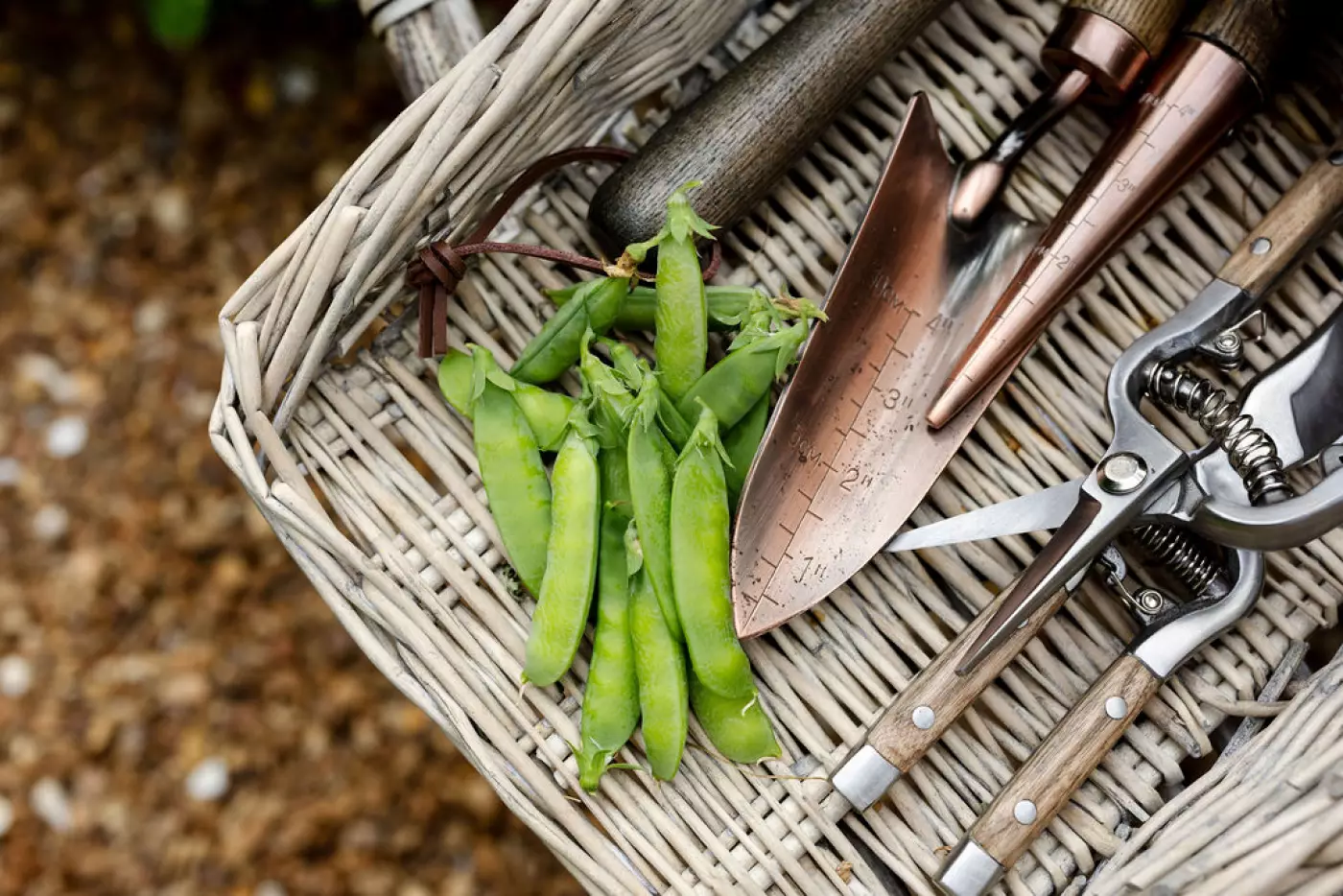
This is the soil temperature where your herb garden starts coming back to life and where cool-season legumes like peas can finally go in. Peas are one of the most satisfying crops to plant early — they climb, they produce quickly, and there is something genuinely joyful about a trellis covered in pea vines in the cool days of early spring.
What to Plant at 45°F
- Sugar snap peas
- Snow peas
- Shelling peas
- Fava beans
- Onions
- Leeks
- Parsley
- Cilantro
- Dill
- Celery
- Swiss chard
Peas go in next to my arch trellis every spring as soon as the soil hits 45°F. From seed to harvest is about 60 days, and I plant a new batch every two weeks for a continuous crop.
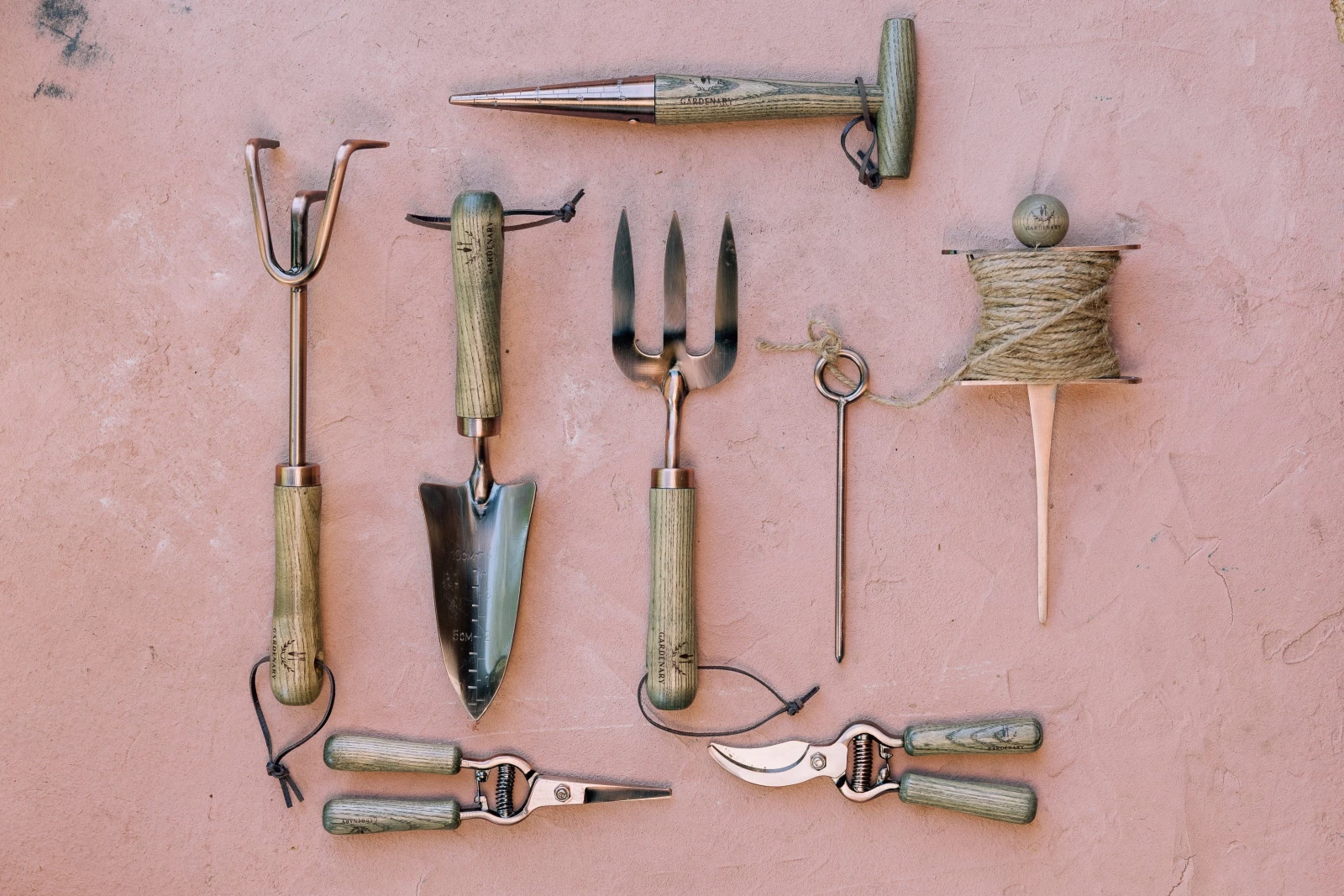
7 Tools, Beautifully Designed
The tool set gardeners actually want, made from carbon steel with an ash wood handle and a warm copper finish.
- Bypass pruner for clean, precise harvest cuts
- Needlenose pruner for detail work in tight spaces
- Transplanting shovel for seedlings and planting holes
- Dibber for perfectly spaced seed sowing
- Cultivator for loosening soil and clearing debris
- Hand fork for weeding and working around established plants
- Row marker & planting line for straight, intentional rows
All in a gift box, ready to use.

50°F — Root Crops and Early Warm-Season Crops
At 50°F, the soil has genuinely warmed up, and a new category of crops becomes available — including some root vegetables that need a little more warmth to germinate reliably and a few surprising early warm-season options.
What to Plant at 50°F
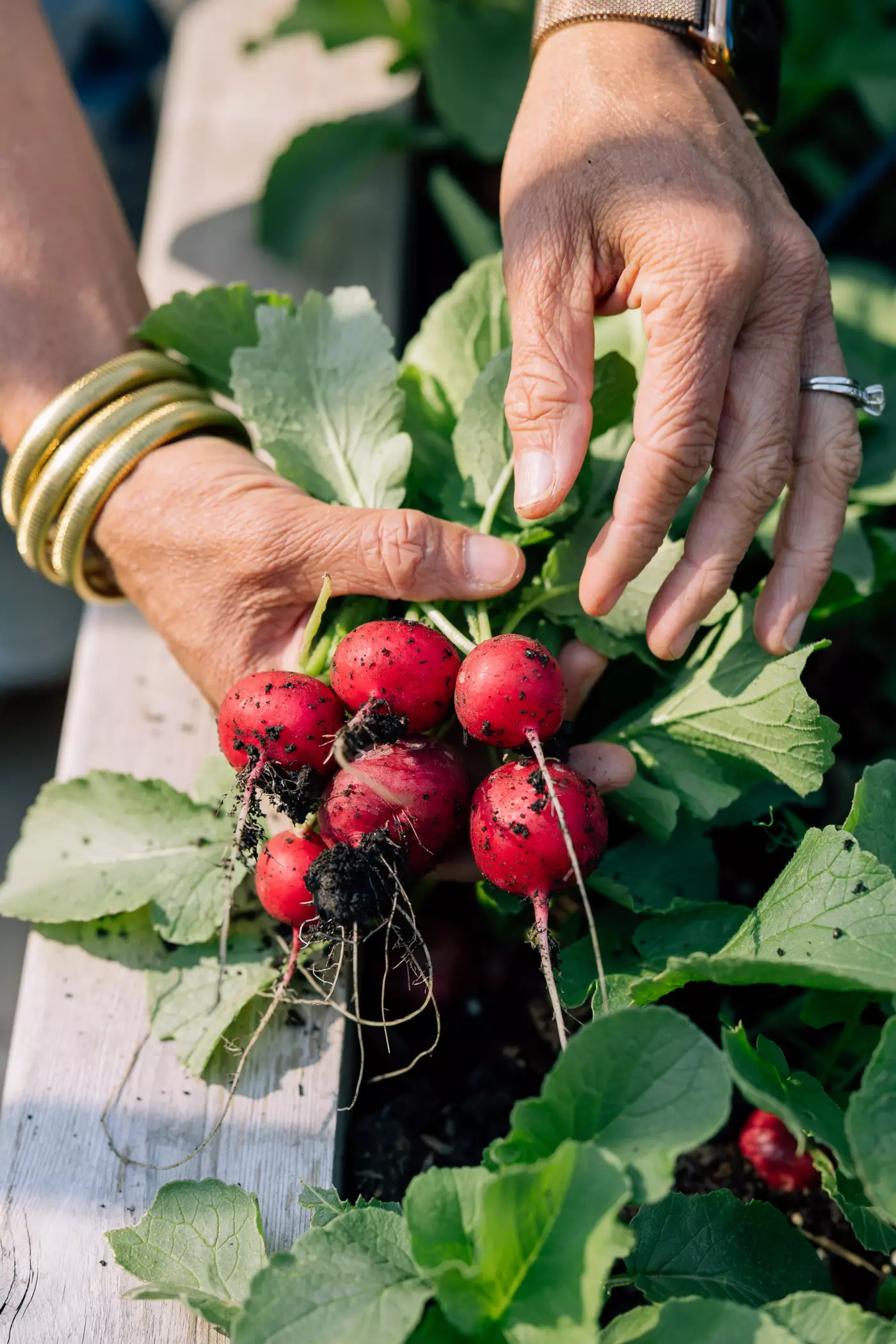
- Beets
- Carrots
- Radishes
- Parsnips
- Chives
- Corn - 50 degrees is the minimum, but it grows much better in warmer conditions.

55°F — The Sweet Spot for Cool-Season Crops
55°F is a transitional point where many crops that technically germinate at 50°F begin to grow at a more optimal pace. If patience isn't your strong suit in the garden, waiting for 55°F before sowing carrots, beets, and parsnips will make a noticeable difference in how quickly things come up.
55°F is where several things shift from possible to actually reliable. Carrots planted at 50°F can take three weeks or longer to germinate. At 55°F, they move meaningfully faster. Beets, radishes, and parsnips all perform better here, too. If you've been planting at 50°F and feeling like nothing is happening, waiting for 55°F might be the answer.
There are also a handful of crops with a true minimum closer to 55°F.
What to Plant at 55°F
- Potatoes
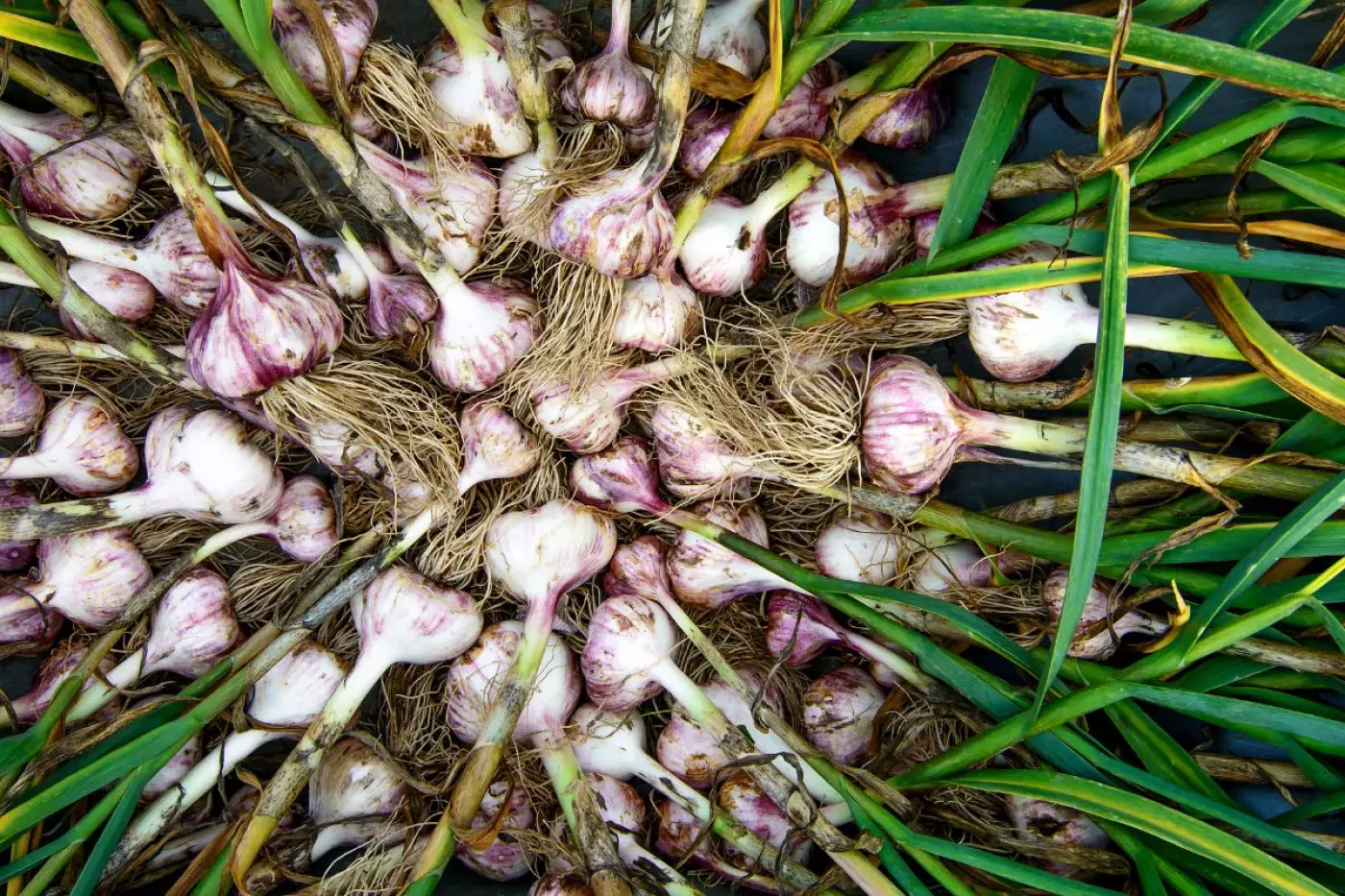
- Garlic — active root development begins at 55°F, which is why fall-planted garlic that has had time to root before a hard freeze performs so much better than garlic planted into already-frozen ground
- Fennel — a minimum closer to 55°F than to 50°F, and it appreciates the extra warmth for consistent germination
- Sweet peas — one of the more specific ones on this list. Sweet peas germinate best between 50 and 55°F and actually struggle in warmer soil. If you've tried starting sweet peas on a heat mat and wondered why nothing happened, too much warmth is almost certainly the reason.

60°F — The Warm Season Officially Begins
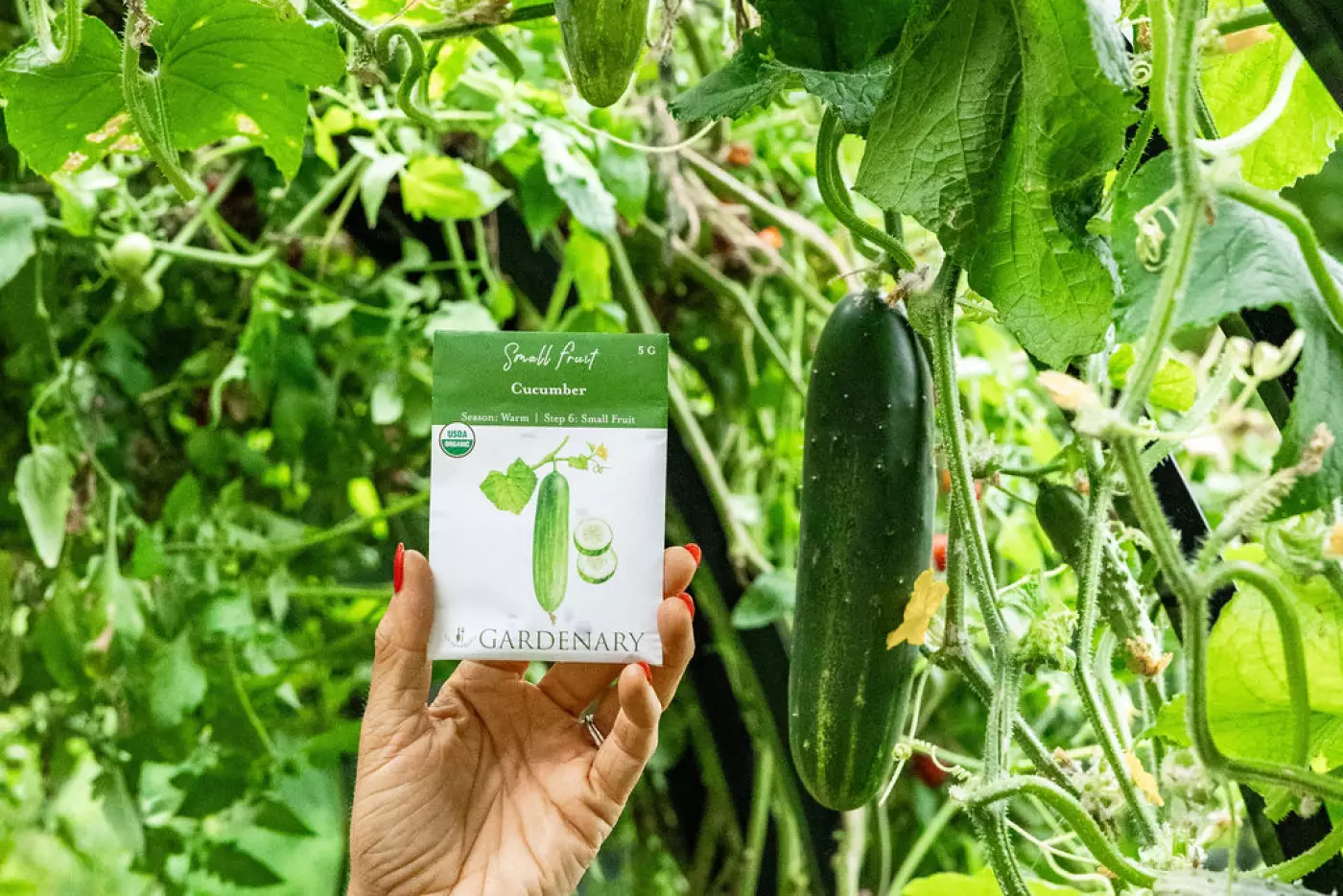
This is the temperature that most kitchen gardeners are waiting for. At 60°F, the warm-season crops that produce the bulk of a summer harvest are ready to go in the ground. Cucumbers, squash, beans, and peppers all cross the threshold here, and this is the moment to act because these crops need time to establish before the real heat of summer arrives.
What to Plant at 60°F
- Cucumbers
- Zucchini
- Summer squash
- Winter squash
- Pumpkins
- Bush beans
- Pole beans
- Peppers - germinate at 60°F as a minimum, but they will germinate much faster at 70 to 80°F.
- Basil
65°F — Warm-Season Crops Thrive
Sixty-five degrees is one of my favorite soil temperatures to talk about because it's where everything shifts. A lot of warm-season crops technically germinate at 60°F, but technically and reliably are two very different things in a garden. Tomato seeds can germinate at 60°F, but it takes 40 or more days, and the germination rate drops significantly. At 65°F, you're in genuinely practical territory. The same is true for several other crops in this range.
If your soil thermometer reads 65°F and you've been waiting to plant warm-season crops, you're in the green. This is the temperature where summer gardening actually comes to life and where the effort you put in finally gets the response you've been looking for.
What to Plant at 65°F
- Sunflowers
- Amaranth
- Tomatoes (direct sown) — if you're direct sowing tomato seeds into the garden rather than transplanting starts, 65°F is the practical minimum. Below this, germination is so slow and uncertain that it's rarely worth attempting outdoors.
- Cantaloupe — some sources put cantaloupe at 65°F minimum rather than 70°F. The truth is somewhere in between — 65°F will get germination started, but 70°F is where cantaloupe really hits its stride.

70°F — The Heat Lovers
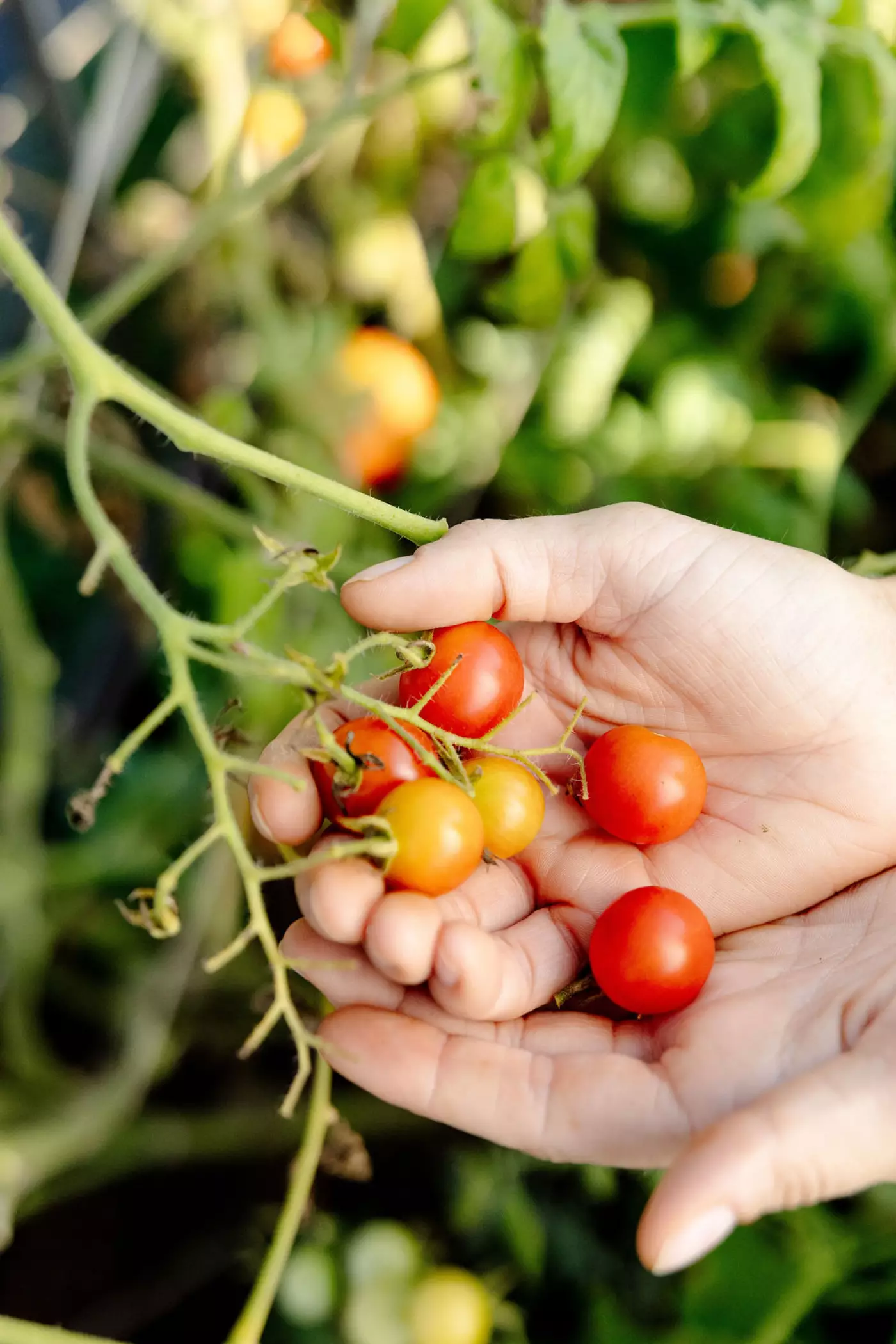
These are the crops that need warmth, not just to grow but to thrive from the very first moment the seed cracks open. Plant tomatoes, melons, or eggplant into soil below 70°F, and you'll get slow, stressed germination at best and rotting seeds at worst. Wait for the soil to hit 70°F or start these indoors where you can control the temperature.
In Chicago, I'd often start tomatoes and eggplant indoors in late March, so I had robust transplants ready the moment the soil hit 70°F. In Nashville, that moment usually comes in early to mid-May. In Houston, it arrives earlier than you'd think, and then it gets very hot very fast. Know your climate and plant accordingly.
What to Plant at 70°F
- Tomatoes
- Cantaloupe
- Watermelon
- Honeydew
- Eggplant
- Okra
- Sweet potatoes — planted as slips rather than seeds, but the soil needs to be at least 65 to 70°F for slips to root successfully
Common Soil Temperature Questions
What happens if I plant seeds in soil that's too cold? Seeds may germinate very slowly, germinate unevenly, or fail to germinate entirely. In wet, cold soil, seeds can also rot before they ever sprout. The time saved by planting early is often lost to poor germination and stressed seedlings.
What is the minimum soil temperature for planting vegetables? The minimum varies by crop. The hardiest vegetables, like spinach and lettuce, will germinate at 35°F. Most cool-season crops need at least 40 to 45°F. Warm-season crops need 60°F at a minimum, and heat-loving crops like tomatoes and melons need 70°F.
Is soil temperature more important than air temperature for planting? For seed germination, yes. Seeds respond to the temperature of the soil they're sitting in, not the air above them. A warm sunny day with cold soil won't trigger germination. Consistent soil warmth will.
How do I warm up the soil faster in spring? Lay black plastic mulch over the bed several days before planting — it absorbs heat from the sun and transfers it to the soil. Row covers and cloches also help. Raised beds warm up faster than in-ground beds because the soil mass is smaller and more exposed to air temperature from all sides.
Can soil be too warm for seeds? Yes. Most seeds have both a minimum and a maximum germination temperature. Lettuce, for example, goes into heat-induced dormancy above 80°F and won't germinate reliably in very hot soil. Cool-season crops planted into warm summer soil will often fail to sprout for this reason.
What soil temperature do tomatoes need? Tomatoes need a minimum soil temperature of 60°F to germinate, but perform significantly better at 70°F or above. For best results, start tomato seeds indoors on a heat mat at 70 to 80°F and transplant outdoors once both soil and nighttime air temperatures are consistently at or above 60°F.
Learn How to Plan and Build Beautiful Raised Beds
Follow a simple process to build a raised bed that makes construction straightforward — even if you’re not “handy.”
One More Thing Before You Go Plant Something
Knowing your soil temperature is one of those small shifts that makes a big difference in how your whole garden season unfolds. It's that kind of knowledge and detail that separates a frustrating garden from a flourishing one.
If you're ready to invest a little bit of time into your gardening journey, my comprehensive raised bed gardening course, the Kitchen Garden Academy, walks you through every step of the gardening process. It's the complete Gardenary system, self-paced and designed for real gardeners who want real results.
Check it out here or start with my free online webinar.
Click the image below to save this article for later!

Sources
- "Soil Temperature Chart for Planting Vegetables" — https://www.almanac.com/soil-temperature-chart
- "Soil Temperature Conditions for Vegetable Seed Germination" — https://extension.oregonstate.edu/gardening/soil-compost/soil-temperature-conditions-vegetable-seed-germination
- "When Is It Warm Enough to Plant?" — https://www.gardeners.com/how-to/when-is-it-warm-enough-to-plant/9029.html
- "Best Soil Temperature for Germination" — https://joegardener.com/soil-temperature-seed-germination/
- "Vegetable Growing Guides" -http://www.gardening.cornell.edu/homegardening/sceneb771.html